

The Future of Smart Speakers: Is Echo Dot Max Innovative or Regressive?
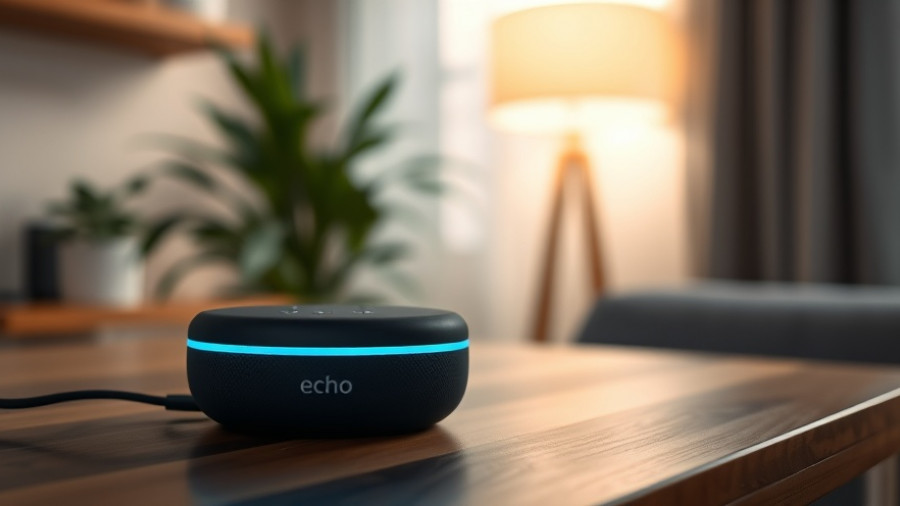
Amazon's new Echo Dot Max is creating waves in the smart home community, appealing to tech enthusiasts and casual users alike. But beneath its futuristic design lies a myriad of questionable choices that could have ramifications for its users. With its intriguing aesthetics reminiscent of the Death Star, this device is either a leap forward in audio technology or a step backward in user-friendliness. In this article, we will delve deeper into the features, potential pitfalls, and overall impact of the Echo Dot Max.
In 'Echo Dot Max: The Empire Strikes Back,' we explore questions surrounding the innovative aspects and shortcomings of Amazon's latest smart speaker, prompting a deeper analysis on its implications for users.
What's Inside the New Echo Dot Max?
The Echo Dot Max boasts upgraded features familiar from its predecessor, the Echo 4th generation—like the Zigbee hub and Thread Border router that promise seamless connectivity with other smart devices. It also comes equipped with several sensors for presence and temperature detection, paving the way for new routines. However, some features highlighted online, such as a light sensor, appear to be missing or inactive, raising questions about the product's quality control and consumer communication.
Sound Quality: A Mixed Bag
One of the primary selling points of the Echo Dot Max is its enhanced sound quality, with a dedicated tweeter and woofer providing a richer audio experience. Many users might wonder, though, is it significantly better than the Echo 4th gen? While the audio appears clearer, particularly in bass tones, comparisons reveal that the older model still holds its ground in fullness and punchiness. For anyone focusing on sound quality in a compact form, the Echo Dot Max may suffice, but traditionalists may prefer the older, bulkier Echo.
Questionable Design Choices Impact User Experience
Diving deeper into the design, the absence of a much-loved action button is alarming. Users could previously silence or interact with their Echo devices at will; now, they're forced to use voice commands or resort to unplugging the device entirely. Other puzzling design elements, like the placement of buttons, can impede usability. The device moves when pressed, frustrating efforts to interact with its interface.
The Controversy of Offline Capabilities
A significant aspect of innovation for the Echo Dot Max is its supposed offline functionalities, a compelling feature for many potential users. However, during testing, the device fell short of expectations—it struggled remarkably when the internet was disconnected, unable to perform even basic tasks like setting timers. This revelation flips the narrative on offline accessibility, suggesting heavy reliance on constant internet connectivity, questioning the viability of marketed features.
Who Should Purchase the Echo Dot Max?
For potential buyers, the critical question remains: should you consider investing in the Echo Dot Max? For homeowners aged 40-65, especially those new to Amazon’s ecosystem or currently without an Echo device, this speaker might make sense. It offers good sound at a compact size and ideally fits seamlessly in a home dominated by Amazon smart devices. However, if you already own the Echo 4th gen, the advantages may not warrant a new purchase, especially given that foundational elements may be sacrificed for style.
Final Thoughts: The Echo's Evolution Continues
So is the Echo Dot Max the last torchbearer in Amazon's line of Echo speakers? With its innovative features muddied by questionable design choices and misleading offline capabilities, the product illustrates a transitional era for smart devices. While it caters to emerging tech-savvy homeowners, it also raises larger questions about the future of smart home technology in general. For those invested in Amazon's ecosystem, the Echo Dot Max represents a thoughtful yet imperfect progression worth considering. As users, our feedback and discussions can help shape future iterations to be more user-friendly and efficient.


Write A Comment