

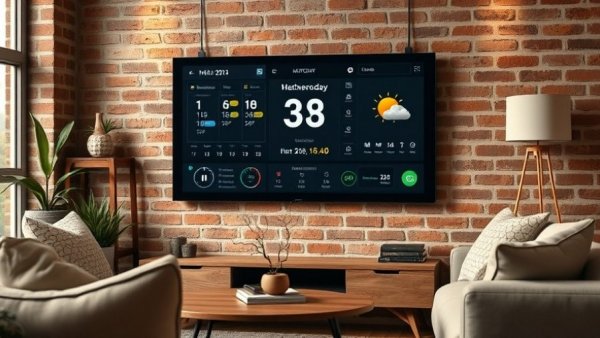
Why E-Ink Displays are Revolutionizing Smart Home Dashboards
In today's fast-paced digital age, enhancing our home environment is not just about aesthetics; it's also about functionality and convenience. E-ink displays, reminiscent of the screens used in popular e-readers like the Kindle, are making waves as a smart home dashboard solution. These screens, thanks to their minimal power usage and comfortable readability, have emerged as a compelling alternative to traditional LED or LCD displays. With the promise of long battery life and less eye strain, they present a unique advantage for those seeking to streamline their smart home management.
In 'How I put my Smart Home Dashboard on E-ink!', the discussion dives into the integration of E-ink displays for smart home management, exploring key insights that sparked deeper analysis on our end.
Choosing the Right Display for Your Needs
One significant factor in the growing popularity of E-ink displays is the range of options available on the market. When contemplating a setup for your kitchen or living room, it’s crucial to decide between models that offer practicality and ease of setup. For instance, the Terminal X and the ReTerminal E 1003 are both notable choices featuring impressive specifications. The 10.3-inch display, complemented by a resolution of 1872 by 1404, renders text with remarkable clarity. However, while the Terminal X boasts better battery performance and user-friendly setup, fans of DIY projects might lean towards the ReTerminal E 1003 for its greater customization potential.
The Sweet Spot: Display Quality vs. Refresh Rate
While color displays seem appealing, monochrome versions often outperform their competitors in critical areas like refresh rate. The Terminal X and ReTerminal E 1003 ensure quick updates, refreshing in about two seconds compared to the lengthy refresh times (up to 20 seconds) seen in color E-paper displays. This rapid refresh capability is essential in kitchens or busy environments where slow updates can disrupt attention.
Diving Deeper into the Set-Up Process
Setting up an E-ink display as a smart home dashboard doesn’t have to be a daunting task. With the correct guide, even novices can achieve effective results. For example, using the Terminal X can streamline your setup by creating a Terminal account and integrating a Home screenshot plugin. This plugin allows users to easily sync their Home Assistant dashboard with the display, giving a streamlined overview of essential data like temperature readings, calendar events, and alerts at a glance.
Future-Proofing Your Smart Home Dashboard
As technology continues to evolve, so does the need for adaptability in our home setups. Adopting an E-ink dashboard now may pave the way for further innovations in home automation. For instance, upcoming features like enhanced firmware updates for displays could significantly improve performance issues. Keeping abreast of new trends in smart home tech could empower users to optimize their systems continuously. As potential updates become available for devices like the E-ink displays by Seeed Studio, consumers can enjoy not just new products but also improved functionality across their existing setups.
With the right E-ink display, homeowners aged 40 to 65, particularly those with a keen interest in DIY projects, can maximize their smart home experience. Whether one opts for an E-ink display due to aesthetic choices or practical performance, the benefits of ease of customization and power efficiency are compelling. In a world where technology increasingly merges with everyday life, investing in such innovative devices can enhance both the functionality and beauty of a home.
Follow the latest trends in smart home solutions and stay informed about the best products that can transform your living space into a highly efficient and artful environment.



Write A Comment