

Add Row
Add Element
cropper
update
Raleigh Better Home Living
update
Add Element
  • Home
  • Categories
    • DIY Projects
    • Smart Home Tech
    • Home Maintenance
    • Interior Design
    • Lawn and Garden
    • Design Trends
  • Adding Value to Your Home
  • Feature Local Businesses
July 23.2025
3 Minutes Read

How to Effectively Stage Small Spaces for Big Results

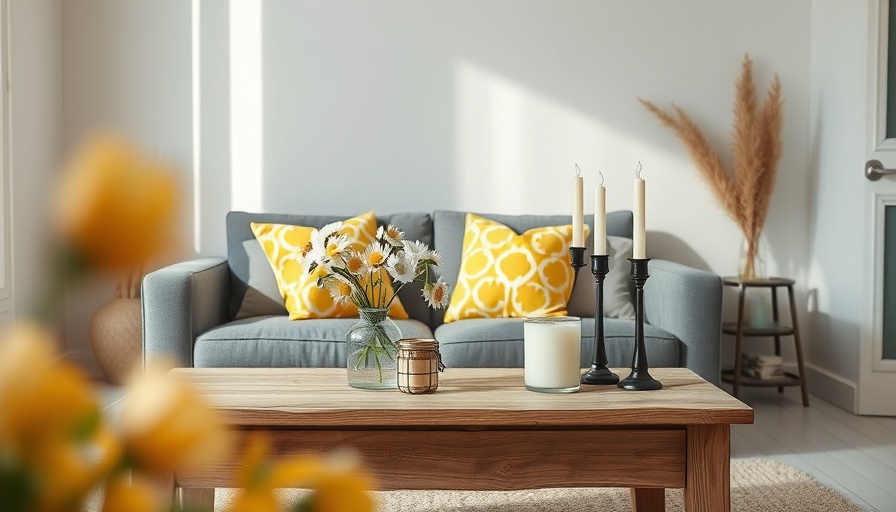
Cozy small living space with yellow accents for effective staging.

Maximize Potential in Small Spaces

Staging small spaces may seem daunting, but with the right approach, homeowners can create a sense of openness and style that leaves a lasting impression. Whether you’re looking to sell your home or simply want to refresh your living environment, effective staging is key—as it not only enhances your space but also showcases it in its best light.

Understand the Importance of Staging

Why is staging important? First impressions matter, especially in real estate. According to the National Association of Realtors, homes that are staged sell 73% faster than those that aren’t. A staged space allows potential buyers to visualize themselves living in the home, and in small spaces, this visualization is crucial. When done right, staging helps to highlight the positive aspects of a home while minimizing any awkward features.

Tips for Effective Small Space Staging

1. **Declutter Relentlessly:** The first step in staging is to remove excess items from your space. A crowded room feels cramped and uninviting. To enhance functionality and flow, consider donations, storage, or simply removing items until your space feels more open.

2. **Focus on Lighting:** A well-lit room can completely transform small spaces. Ensure you take advantage of natural light and consider adding soft, warm artificial lights in areas lacking brightness. Mirrors can also amplify light and create an illusion of spaciousness.

3. **Choose Appropriate Furniture:** Scale is crucial. Opt for sleek, smaller furniture pieces that don’t overwhelm the space. Multi-functional furniture, such as ottomans with storage or coffee tables that can double as dining surfaces, can be game-changers in smaller rooms.

4. **Strategic Color Choices:** Light, neutral colors can make small spaces feel larger. Whites, creams, and pastels can evoke an airy and bright atmosphere. Incorporate pops of color through accessories like pillows or artwork without overwhelming the overall theme.

5. **Accessorize Wisely:** Less is more in small spaces. Select a few key pieces that reflect your style but don’t overcrowd surfaces. Over-accessorizing can detract from the space; opt for unique items that tell a story or create a focal point.

Historical Context of Staging Trends

The art of home staging emerged in the late 1970s with the intent to sell homes quicker and at higher profits. Initially, staged homes were rare, but as the concept gained traction, real estate experts recognized its effectiveness. Over the years, staging has evolved into a coveted skill, adapting to modern aesthetics and lifestyles, showcasing how well-decorated small spaces can hold immense value.

Future Insights: The Rise of Home Staging

As more homeowners recognize the importance of staging, it's shaping up to be an essential element of home selling strategies. With the rise of virtual staging technology, even small spaces can benefit from digital enhancements that show potential buyers various styles and layouts. For homeowners, investing time and resources into staging opens up opportunities in a competitive market.

Why Understanding Staging Matters

For homeowners aged 40-65, understanding how to stage small spaces is particularly relevant. As lifestyles change—whether downsizing post-retirement or adapting to new familial structures—it’s essential to know how to create an inviting home environment. Recognizing the potential in every room can help create a more functional living space, all while significantly impacting value during resale.

Call to Action

If you’re ready to take the plunge into staging your small space, consider reaching out to professionals who can provide tailored advice suited to your specific needs. Engaging with experts not only boosts your confidence but equips you with useful insights that can subsequently lead to big results.

Interior Design

2 Views

0 Comments

Write A Comment

*
*
Related Posts All Posts
12.04.2025

Maximize Space with Creative Small Bathroom Decorating Ideas

Update Transforming Small Bathrooms: Creative Solutions for Spacious LivingFor homeowners grappling with small bathroom spaces, the pursuit of practicality and style may feel like an uphill battle. A well-designed small bathroom can still be functional and aesthetically pleasing. Embracing innovative storage solutions can make a big difference in how these compact areas are utilized. Let’s explore some genius decorating ideas and organization hacks that promise to elevate even the tightest quarters.Embrace Vertical Space: The Key to Small Bathroom FunctionalityWhen floor space is at a premium, the walls become your best friend. Consider adding floating shelves above the toilet or in corners, which can hold everything from toiletries to decorative plants, thus maximizing functionality without the clutter. Want to level up your storage game? Try a decorative ladder shelf or a tall cabinet that utilizes vertical height and offers additional storage options.Smart Organization Hacks: Keeping Clutter at BayAnother essential strategy is to adopt small bathroom organization techniques. Using over-the-door organizers can free up significant space by keeping products within reach yet out of sight. These handy accessories aren’t just for shoes—dedicated bathroom versions can make storing hair care products and toiletries a breeze. Pair this with sleek under-the-sink organizing carts to maximize hidden storage.Multi-Functional Furniture: Efficiency in DesignSmall spaces benefit greatly from multi-functional furniture. Look for vanities with built-in storage solutions to minimize clutter and create a cohesive design. Throughout the bathroom, select furniture that serves dual purposes, such as stools that store items or mirrors with hidden compartments. With thoughtful arrangements, even the smallest bathrooms can feel spacious and inviting.Bringing in Natural Light: Clearing the AirAnother often-overlooked aspect of small bathroom design is lighting. A well-lit bathroom can feel instantly bigger. Consider installing a larger mirror or a frosted glass window to maximize natural light. Layering artificial light with decorative fixtures can enhance visibility and give the illusion of more space.Incorporating Color and Texture: Design That SpeaksDon’t shy away from color—opt for light shades or playful accent colors to create visual interest. Textured walls or patterned tiles can add depth, making the space feel more luxurious without overcrowding. Just remember, the goal is to create a sense of harmony and balance.Embrace Innovative Products: Solutions for Today’s NeedsWith eco-friendly trends shaping consumer behavior, homeowners are looking for innovative products that serve dual purposes. For instance, modern bidet toilet seats not only improve hygiene but also eliminate the need for bulky toilet paper storage. This is a smart choice for saving both space and money in the long run.Your Journey to a Serene Small BathroomUltimately, transforming a cramped bathroom into a serene space doesn’t have to be overwhelming. Start small; implement one or two ideas at a time and adjust according to your needs. Each change can make a significant difference in maximizing functionality while also enhancing the beauty of your home. Take pride in your space and invite enjoyment back into the everyday routine of personal care and relaxation.Now that you’ve been inspired to rethink your small bathroom's potential, take action! From wall-mounted shelving to multi-functional designs, the possibilities for enhancement are endless.

11.05.2025

Elevate Your Sale: Effective Tips for Holiday Home Staging Success

Update Transform Your Home for the Holidays: Essential Staging Tips As the holiday season approaches, homeowners looking to sell their property face a unique challenge—how to stage their homes in a way that appeals to potential buyers while embodying the festive spirit of the season. Effective holiday home staging can significantly influence buyer interest, creating an inviting atmosphere where prospective homeowners can envision themselves celebrating future holidays. Understanding the Importance of Holiday Home Staging Staging your home correctly during the holidays not only enhances its aesthetic appeal but also contributes to a sense of warmth and connection. According to real estate experts, a well-staged home can increase its marketability, making it more memorable for potential buyers. While showcasing holiday spirit is important, it’s crucial to strike a balance that does not overwhelm the space. Emphasizing your home's best features while incorporating tasteful decorations can create the perfect harmony. Maximize Curb Appeal with Seasonal Touches First impressions matter—especially in real estate. Enhancing your home’s curb appeal should be a top priority. Decorate your entryway with a natural evergreen wreath or festive planters filled with winter blooms. Simple yet elegant features, like well-placed outdoor lighting and clean walkways, ensure that your home looks inviting from the moment buyers arrive. This effort reinforces an inviting holiday spirit without detracting from the home's character. Subtle Holiday Decor for Warmth and Comfort Less is often more when it comes to holiday decorations. Choose a natural theme featuring materials like eucalyptus, pinecones, and simple fabric ribbons for garlands. Incorporate seasonal scents subtly, perhaps by simmering apples and cinnamon, to evoke the warmth of home without being overpowering. Similarly, elegant table settings in the dining room can entice buyers to visualize future gatherings in your space, making them feel more connected to your home. Decluttering: A Must for Effective Staging For buyers to envision their belongings in the home, it’s essential to declutter. This includes removing family photos, excess decorations, and personal items to create a clean and open environment. By organizing your space, you allow potential buyers to see the home’s unique features clearly. Remember, minimizing distractions can enhance the appreciation of your home’s layout and design. Showcase Unique Architectural Features Highlight the architectural features of your home by avoiding obstructions from decorations. Natural lighting through clean windows or cleverly placed mirrors can accentuate the space, making it feel brighter and airier. When placing holiday decor, ensure it complements existing elements rather than detracting from them, creating a seamless integration of festive and functional. Creating a Cozy Atmosphere with Textures and Layers Using a variety of textures can transform your space into a comforting retreat. Plush throws, soft rugs, and warm lighting can evoke feelings of relaxation and welcome. Consider placing cozy blankets on sofas and using warm, inviting lights that create an ambiance, inviting buyers to linger just a bit longer in their potential future home. Practical Tips and Insights Going Forward Utilizing these staging insights effectively can significantly influence your home’s marketability. It's also worth considering current trends in home staging. For instance, a thoughtful balance of contemporary and traditional decor can cater to a wider audience. Additionally, expert home stagers can provide valuable insights tailored to your specific market, especially in areas with distinct seasonal preferences. Explore Your Options: Connect with Local Staging Experts If you’re planning to sell this holiday season, consider seeking the help of a professional staging service. From selecting decor that enhances your home’s strengths to managing the staging process from start to finish, experts in your local area can provide essential support. Ready to elevate your home staging? Start by researching reputable staging companies, and discover how a small touch can have a substantial impact on your home sale!

10.04.2025

Transform Your Home: Using Color Psychology in Interior Design

Update Understanding Color Psychology in Your Home Color affects more than just aesthetics in interior design; it's a powerful psychological tool that can shape our emotions and perceptions. Particularly for homeowners aged 40 to 65, making thoughtfully curated color decisions in their living spaces can foster comfort and well-being. As we delve into the world of color psychology, we'll explore how different hues influence mood and atmosphere. The Psychological Impact of Color Choices Research indicates that colors can evoke specific feelings. For instance, warm tones like red and orange create energy and passion, making them perfect for communal spaces such as living rooms. In contrast, cool tones like blues and greens are calming and are best suited for areas intended for relaxation, like bedrooms or studies. Understanding these dynamics can transform your living environment into a sanctuary of emotional balance. Colors for Different Spaces 1. **Living Room**: Warm colors promote conversation and connection. Consider using reds or oranges as accents, paired with neutral or cool tones to create a balanced atmosphere. 2. **Bedroom**: Soft blues and greens are ideal choices for bedrooms as they promote tranquility and are conducive to restful sleep. Incorporating natural elements like plants can enhance this calming effect. 3. **Kitchen**: Yellow and orange are excellent for kitchens because they stimulate appetite and create a vibrant, lively atmosphere. Use these colors wisely to keep the kitchen cheerful without overwhelming the senses. Practical Tips for Implementing Color Psychology To harness color psychology to your advantage, consider these tips: Assess the Room’s Purpose: Think about how you want to feel in each space. Bedrooms should be calm, while kitchens can be energizing. Lighting Considerations: Remember that lighting changes the way colors look. Test paint samples under different lighting conditions to see their true effect. The 60-30-10 Rule: When designing a space, use 60% dominant color, 30% secondary color, and 10% accent shades to create a visually pleasing balance. Emotional Reactions to Color We all respond to colors based on personal experiences and cultural influences. Here’s a brief overview of how popular colors might affect you: Red: Passion, warmth, and excitement but also can evoke feelings of aggression if overused. Blue: Calming and peaceful, often used to create serene environments. Green: Symbolizes nature, fostering freshness and healing vibes, great for restoring energy. Future Trends in Color Psychology The integration of color psychology into interior design is becoming increasingly sophisticated. As we move forward, expect to see a rise in color therapies incorporated into home design strategies. Homeowners will likely prioritize colors that promote wellness, reflecting a growing awareness of mental health and emotional well-being in their living spaces. Conclusion: Take Action with Color Deciding on a color scheme can significantly impact not only the look of your home but also how you feel in it. Engage with your family in the decision-making process to ensure everyone loves their spaces. Consider the emotional and psychological implications of your choices, and don't hesitate to seek professional advice if needed. Start your journey into the colorful world of home design today and create spaces that not only look good but feel good too!

Terms of Service

Privacy Policy

Core Modal Title

Sorry, no results found

You Might Find These Articles Interesting

T
Please Check Your Email
We Will Be Following Up Shortly
*
*
*