

cropper
update
Passion For Sports
update
The Coaches Corner
  • Home
  • Categories
    • Track and Field
    • Swimming
    • Wrestling
    • Gymnastics
  • Coaching Corner
September 11.2025
3 Minutes Read

Redefining Athletic Boundaries: How Distance Does Not Define Your Progress

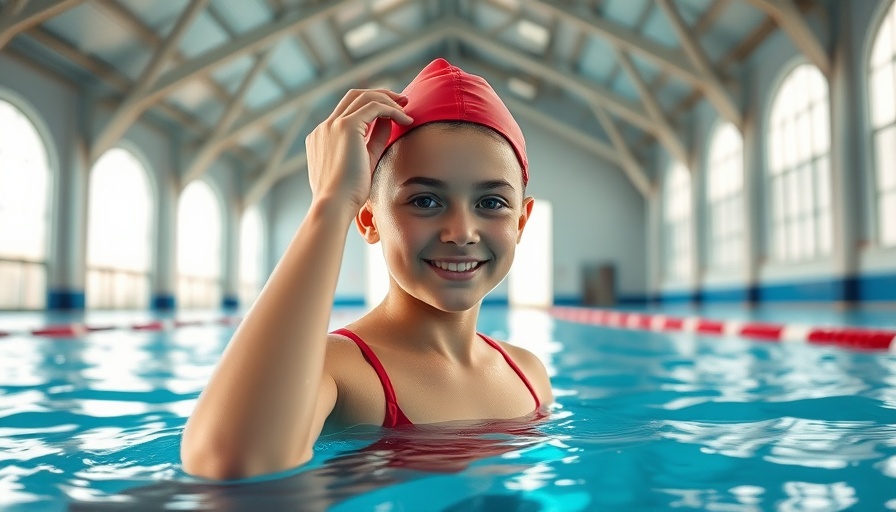
Swimmer adjusting cap during distance training for athletes in pool.

How Distance Can't Deter Your Athletic Goals

Sporting achievements are often seen as a direct correlation to the hours spent on the field or in the gym. However, the video, Miles away but still on track 🙌, epitomizes the idea that physical distance does not inherently dictate one’s ability to maintain progress. Whether you're an athlete, coach, or sports enthusiast, understanding this paradigm shift can redefine how you approach training and personal development.

In Miles away but still on track 🙌, the discussion dives into how athletes can thrive despite geographical challenges, exploring key insights that sparked deeper analysis on our end.

Embracing Remote Training: A New Normal

The modern athlete faces unprecedented challenges, including interruptions caused by unexpected events worldwide. Yet, with advancements in technology and a commitment to innovation, remote training has risen to the forefront. Instead of viewing obstacles as barriers, athletes can leverage virtual resources, coaching sessions, and online platforms to stay engaged, informed, and active. It’s a transformation that opens doors for those who aren't confined by geographical limitations.

Quality Over Quantity: Is Proximity a Myth?

One might contend that the intimacy of a local coaching setting offers superior advantages. Nevertheless, the best athletes often find that the quality of their training environment and resources outweighs the need for physical proximity. With apps that track performance metrics, video calls for tactical training, and even live-streamed competitions, athletes can cultivate skills and camaraderie from anywhere in the world.

Insights from Elite Athletes: The Power of Mental Conditioning

One of the key aspects that can make or break an athlete's career is mental conditioning. Athletes such as Michael Phelps and Serena Williams have often highlighted their focus on mindset as crucial for success. For the modern athlete, harnessing mental resilience while being physically distanced can provide unique insights into self-motivation and discipline—skills that are transferrable beyond sport and into everyday life.

Equipping Yourself: Tools for Athletic Success

Equipping yourself isn't just about physical training; it's about applying the right tools that empower you to achieve your goals. Fitness apps, virtual reality training, and online coaching programs are all within reach, giving athletes unprecedented access to elite coaching methods and strategies. Those who adapt and use these resources can create a personal empire of training that defies conventional wisdom.

Final Thoughts: A Shift in Mindset

Ultimately, the crux of the conversation is about mindset. Miles away but still on track 🙌 reminds us that while the journey may take unexpected turns, remaining committed to our objectives is paramount. Athletes who recognize challenges as opportunities for growth will not only succeed in their respective sports but will also cultivate a resilient spirit that guides them into all facets of life. Regularly evaluating your own routines and methodologies opens up potential for profound growth.

In light of our analysis, if you're looking to revolutionize your own training regimen or support someone on a similar journey, now is the perfect time to embrace the idea that physical distance doesn’t dictate your path to success. Let’s rethink training, adopt new strategies, and advance beyond boundaries.\

Coaching Corner

18 Views

0 Comments

Write A Comment

*
*
Please complete the captcha to submit your comment.
Related Posts All Posts
07.04.2026

Master Your Breaststroke: Insights for Ultimate Speed and Efficiency

Update Unlocking the Secrets of Efficient Breaststroke: Achieve Your Best Swim YetAs swimmers strive to enhance their performance, understanding the nuances of technique becomes vital. In the recent video, How To Swim BREASTSTROKE Correctly in 2026, several key points are discussed that can significantly improve a swimmer's efficiency and speed. Focusing on body position, breathing technique, and the all-important kick unlocks the potential to elevate your breaststroke to the next level.In How To Swim BREASTSTROKE Correctly in 2026, the discussion dives into crucial breaststroke techniques, and we’re breaking down its key ideas while adding our own perspective. Elevating Body Position: The Foundation of SpeedSwimming breaststroke efficiently begins with mastering body position. One of the primary pitfalls for many swimmers is allowing their hips to sink during the stroke. Unfortunately, this creates unnecessary drag, slowing down progress. The secret to overcoming this error lies in head positioning. Keeping eyes either looking forward or, crucially, downward ensures that the body remains streamlined, which is essential for fast swimming. The more streamlined your position, the less resistance you’ll encounter, allowing you to become a more proficient breaststroker.The Importance of Synchronizing Breath and StrokeBreath control in breaststroke is pivotal, not just for maintaining oxygen levels but also for minimizing resistance. Many swimmers make the mistake of lingering in their breath position, inadvertently creating more drag. Instead, the mantra should be simple: pull, kick, glide. This sequence must flow seamlessly; as swimmers execute a pull, they should take a breath and quickly return to the streamlined position. This crucial timing prevents pauses that can slow progress. Remember, the goal is to get your head down and prepare for the next stroke with as little interruption as possible.Kick Technique: The Power Behind Your StrokeWhile arms are critical in swimming, it's the breaststroke kick that propels the swimmer. In fact, it contributes approximately 70-80% of your propulsion. Focusing on the kick’s mechanics—up, out, around, and together—ensures that it maintains efficiency. Many beginners fail to keep their knees close together, which diminishes power. Drills like heel tags, where swimmers tap their heels to their hands during kicks, can significantly enhance kicking efficiency. This ensures that kinks and misalignments during the kick are minimized, allowing for a more fluid stroke overall.Race Strategy: Timing and Technique VariationThe approach to racing breaststroke can vary significantly between short distances (like the 50m) and longer events (like the 200m). For shorter distances, the emphasis should be on maintaining high speed and tempo, ensuring that the arms snap forward immediately after the kick. In contrast, longer distances provide a unique strategy that involves greater emphasis on gliding—holding the streamline position longer to maximize each stroke's effectiveness. This balancing act of speed and preservation becomes crucial as distance increases.Conclusion: Embrace the Journey to ImprovementFor athletes, coaches, and those enthusiastic about refining their swimming skills, mastering the nuances of breaststroke is not merely about speed—it’s about understanding the complex interplay of technique, timing, and body mechanics. By implementing these insights and continuously evaluating your technique, both in practice and race settings, you can unlock your swimming potential and glide through the water with newfound efficiency.Are you ready to transform your swimming technique? Embrace the challenge and make the commitment to practice. Remember, it's not just about how fast you swim; it's about swimming smart and efficiently!

06.28.2026

Break Free From Endless Laps: Revitalize Your Swimming Plan

Update Stirring Up The Swimming Game: Beyond The Routine Are you one of the many athletes who feel stuck swimming endless laps without real progress? It’s a common struggle for swimmers, where performance can plateau despite hard work and dedication. The video Are you tired of swimming endless laps with no plan? presents an engaging dilemma: how do we break free from monotonous practices and maximize our potential in the pool?In the video Are you tired of swimming endless laps with no plan?, the focus on breaking free from monotonous training inspired us to dive deeper into strategies and insights for effective swimming. Mapping Out a Purposeful Swim Strategy One of the key insights from the video is the importance of having a well-structured training plan. Rather than mindlessly putting in miles, training should be focused on specific goals. This can involve periodized training, where variations in intensity and focus ensure that athletes not only build endurance but also sharpen speed and technique. Breaking down your swim sessions into drills, endurance sets, and speed work not only keeps things interesting but enhances performance. Variety Is Key: The Different Swim Techniques You Can Explore Swimmers often find themselves sticking to one or two strokes, but incorporating a variety of techniques can lead to significant improvements. When you switch up your focus—be it distance freestyle one day and sprints the next—you end up engaging different muscle groups and preventing burnout. Different strokes also enhance your muscle memory and fitness level, bridging the gap between strength and skill. Don’t hesitate to explore butterfly, backstroke, or even underwater dolphin kicks! Tracking Progress: Utilizing Technology for Improvement Modern swimmers have access to an array of technological tools, from smartwatches to specialized swim meters that track metrics such as stroke count and distance. These insights provide real-time feedback, helping swimmers understand where they can improve. For instance, if data shows a decrease in speed or stroke efficiency, adjustments can be made quickly to rectify the issue. The combination of intuitive equipment and a solid training plan creates a powerful framework that propels athletes towards their goals. The Role of Mental Resilience in Swimming Beyond physical training, mental preparation plays a crucial role in swimming. Coaches emphasize visualization techniques and mental rehearsal as vital tools in building competitive swimmers. Imagine yourself executing that perfect start or finishing strongly at the wall. This kind of mental training can be just as beneficial as physical preparation. Adopting a strong mindset aids athletes in maintaining focus during practice, particularly during the tough sets. Bringing a Supportive Community Into the Mix Swimmers thrive in environments where encouragement and camaraderie are part of the equation. Connecting with teammates can elevate your performance, motivate one another during those grueling sessions, and provide accountability to stick with your training plan. Parents of young swimmers should consider becoming involved in community groups or local swim clubs. This builds not just skills but also friendships, taking the pressure off competition and fostering a love for the sport. Implementing Actionable Insights for Dramatic Changes Finally, what can you immediately apply from this article? Start with setting a tangible goal for your next few training sessions. Whether it’s bettering your lap time or mastering a new stroke, having a focus area can yield gratifying results. Start tracking your sessions, experiment with different strokes, and remember to foster a supportive training environment. Reassess your goals and adjust your plan based on performance metrics. The blend of purposeful practice and community involvement could ignite a whole new passion for swimming! So, if you're tired of swimming endless laps with no plan, take the plunge into focused training, mental optimization, and community engagement—your performance will thank you!

06.27.2026

Swimming's Future: How Technology Is Transforming Training with Wearables

Update The Evolution of Swimming: Technology's Massive Impact Swimming has always been a sport deeply intertwined with innovation. From the introduction of swim goggles in the 1970s to today's cutting-edge AI coaching applications, technology continues to change how we approach the water. As techniques evolve and new tools are developed, swimmers of all levels are now able to engage in training that was once reserved only for the elite. An insightful discussion emerged from a recent conversation with Adam Oxner, CTO of MySwimPro, at their retreat in Crete, shedding light on how technology reignites the passion for swimming and enhances the sporting experience.In 'Two Guys Debate How To Swim Faster', the discussion delves into the impact of technology on swimming performance and training, prompting us to analyze the profound changes. Technological Shift in Swimming Techniques In the last decade, the realm of swimming has witnessed a groundbreaking shift in coaching philosophies and workout structures. While swimmers of the past logged countless miles in the pool, today’s athletes focus on intensive sprint workouts with less distance. This transition is largely influenced by the creation of performance-tracking devices, allowing swimmers to assess their metrics proactively. Oxner emphasizes that technology, like wearables, serves as a virtual coach. These devices can count laps, track heart rate, and even provide instruction during workouts—allowing swimmers to concentrate on performance without the distraction of keeping workout sheets intact. It paints a clearer picture of progress than traditional methods. The Rise of the Wearable Coach Wearable technology is heralding a new era in swimming, giving everyday swimmers access to data once exclusive to elite competition. With options like the Apple Watch and Garmin Swim 2, users now have immediate performance feedback, tracking metrics such as stroke rate, heart rate, and interval timing. These smart devices have become integral as swim training now occurs with a coach strapped to your wrist. Whether you're trying to shave seconds off your time or simply maintain your fitness, these wearables take the guesswork out of training, allowing swimmers to analyze their performance post-swim. Oxner’s observations about this change highlight the balance between having data-driven feedback and live coaching. Can a Watch Replace a Real Coach? The provocative question arises: can your smartwatch truly replace a human coach? Oxner believes there's no definitive answer. While a traditional coach provides invaluable technique assessments on the pool deck, the wealth of data available from wearables can far outweigh the static observations of a coach managing a group. Knowing your real-time metrics while swimming, such as your heart rate zone or swimming pace, fosters a new level of self-awareness. Swimmers can hone their technique and optimize training based on precise data, pushing themselves harder than they could under a coach’s supervision. It’s a shift toward independence in the sport, where self-driven athletes harness technology to achieve their best. AI’s Role in Tailored Swimming Plans As AI continues to blend itself into our daily lives, it’s no surprise it’s also making waves in swimming. Oxner explains how AI integrates workout history and personal goals to form tailored training plans tailored to each swimmer's unique progression and needs. This personalized approach encourages athletes of any level to find a workout regimen that genuinely resonates with their lifestyle, leading to better results. It’s about efficiency rather than sheer volume, focusing on effective practice, which makes it possible to compete successfully with minimal weekly pool time while still achieving peak performance. Getting Started: The Basics If you’re enthusiastic but unsure where to begin, Oxner summarizes the essentials for new swimmers: "Firstly, you need a swimsuit and goggles, followed by access to a pool, and lastly, a plan". No fancy gadgets are required when starting out; commitment to consistency is vital! Starting with an Apple Watch or a Garmin swim tracker provides an excellent introduction to the world of data-driven swimming. This forms a sound foundation for a swimmer looking to better their performance and enjoy the process of learning. Conclusion: The Future of Swimming and Technology As swimming technology advances, it encourages both amateur and competitive swimmers to embrace innovation. Tools like wearables and AI coaches promise personalized training like never before. The journey may have changed, but the essence of swimming remains as exhilarating as ever. Newcomers can feel empowered to dive in, equipped with modern technology to guide their progress. Don’t wait; embrace technology, explore your potential, and take the plunge into a new era of swimming! What are you waiting for? Get your gear, find your pool, and start swimming with purpose today!

Terms of Service

Privacy Policy

Core Modal Title

Sorry, no results found

You Might Find These Articles Interesting

T
Please Check Your Email
We Will Be Following Up Shortly
*
*
*
