

cropper
update
Raleigh Better Home Living
update
  • Home
  • Categories
    • DIY Projects
    • Smart Home Tech
    • Home Maintenance
    • Interior Design
    • Lawn and Garden
    • Design Trends
    • Draft or Deletes
  • Adding Value to Your Home
  • Feature Local Businesses
July 23.2025
3 Minutes Read

Why Homeowners Should Embrace Mud Dauber Wasps for a Thriving Garden

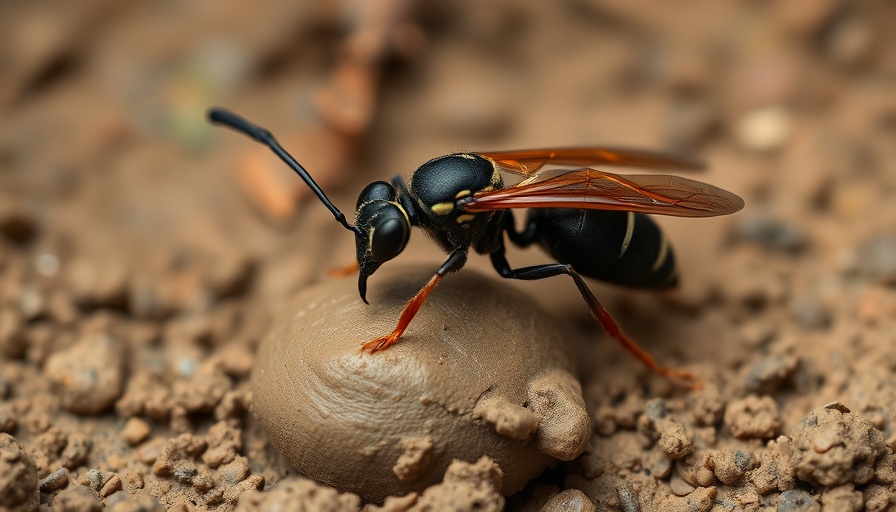
Mud dauber wasp in the garden on wet clay

The Unseen Allies: Embracing Mud Dauber Wasps in Your Garden

In the complex ecosystem of our gardens, every creature plays a significant role, and mud dauber wasps are no exception. Often overlooked or feared, these beneficial insects can be powerful allies in maintaining ecological balance. Their unique lifestyle not only enhances biodiversity but also aids in pest management, making them worthy of our admiration and welcome.

Understanding the Role of Mud Dauber Wasps

Mud dauber wasps, belonging to “Sphecidae” family, are solitary insects known for their remarkable nest-building skills. Using mud collected from water sources or moist soil, they construct tubular nests that can house their larvae. Each female lays eggs on paralyzed spiders within these nests, ensuring that her offspring have an immediate food source upon hatching. This behavior naturally helps in controlling spider populations, a task many gardeners would applaud.

Historical Context and Benefits of Welcoming Wasps

Historically, societies across different cultures have recognized the importance of wasps in ecosystems. Even in ancient agriculture, wasps were noted for their pest control abilities. By welcoming mud dauber wasps into our gardens, we can harness their pest-controlling prowess, which is especially beneficial in organic gardening where chemical pesticides are avoided. By reducing the number of harmful pests, these wasps contribute to a healthier garden environment.

Creating an Inviting Habitat for Mud Dauber Wasps

To attract mud dauber wasps, it’s essential to create a welcoming environment. This can be achieved by ensuring that there are suitable nesting sites, such as bare soil patches or areas with natural mud. Avoiding chemical pesticides and providing a variety of plants can also help support a healthy ecosystem, inviting not just wasps, but other beneficial insects as well.

Counterarguments and Diverse Perspectives

While the benefits of mud dauber wasps are compelling, some homeowners express concern about having these insects close to their homes. It’s important to address these fears with education. Understanding that mud daubers are generally non-aggressive helps frame their role in an ecological context. When managed properly, the presence of these wasps should not be a source of distress but rather a source of biodiversity and health in your garden.

Practical Insights to Encourage a Balanced Ecosystem

As the climate continues to shift, our gardens also adapt. Incorporating native plants and maintaining patches of bare soil are among best practices in supporting wasp populations. Homeowners should consider minimizing lawn areas and allowing for natural growth, which increases habitat diversity. By doing so, we not only support mud dauber wasps but also create opportunities for other pollinators and beneficial insects.

Conclusion: Why Our Gardens Need These Unsung Heroes

Inviting mud dauber wasps into your garden is not merely about pest control; it's about fostering a thriving ecosystem. These wasps exemplify the intricate relationships within gardening that contribute to a balanced outdoor space. Embrace their presence, allow them to thrive, and enjoy the myriad benefits they bring. Your garden will flourish, and in turn, you will cultivate a richer understanding of the intricate beauty of nature. Let’s redefine our relationship with these incredible insects, realizing their role in sustaining our gardens for generations to come.

Ready to start welcoming these unsung garden heroes? Take steps today to create a habitat conducive to mud dauber wasps and experience the transformative effects they can have in supporting your garden's health for the future!

Lawn and Garden

8 Views

0 Comments

Write A Comment

*
*
Please complete the captcha to submit your comment.
Related Posts All Posts
05.02.2026

Creating a Stunning Natural-Looking Waterfall in Your Backyard

Update Understanding the Allure of Natural Waterfalls As a homeowner, there's something undeniably captivating about the sight and sound of a natural waterfall. It's a serene feature that can completely transform your landscape, creating a peaceful oasis right in your backyard. However, creating a waterfall that genuinely resembles its natural counterparts involves more than mere aesthetics; it requires thoughtful design and expert craftsmanship. The Role of Stone in Waterfall Aesthetics At the core of an enchanting waterfall lies the choice of stone. Natural stone serves as the backbone for your water feature, influencing every aspect of its appearance and functionality. Elements such as the shape, size, and texture of the stones dictate how water flows and sounds, which is crucial in mimicking the essence of a natural waterfall. Poor stone placement can lead to awkward drops or excessive splashing, creating an artificial look that detracts from the beauty of the landscape. Choosing the Right Stone for a Custom Waterfall Not all stones are created equal when it comes to waterfall construction. Experienced professionals select materials based on their durability, texture, and compatibility with the local environment. For instance, weathered limestone and Michigan fieldstone are favorites among builders, as they integrate seamlessly into most landscapes and provide organic forms that enhance the overall visual appeal. A well-planned mix of stone sizes can further add depth to the waterfall and prevent uniformity, which can look overly artificial. Creating Natural Flow and Movement One hallmark of natural waterfalls is the way water flows. It rarely descends in a straight line; instead, it fans out and curves as it travels. Professional installers take this into consideration by angling stones and designing water routes that promote an organic flow. This technique not only enriches the visual experience but also reduces splashing and helps maintain water levels in the feature. Importance of Scale and Elevation The scale and elevation of a waterfall are fundamental to achieving a natural look. If a waterfall is too small, it risks being overshadowed by surrounding flora; if it's too large, it may dominate the space, creating an unsettling imbalance. Professionals assess the pond size, elevation, and viewing angles to determine optimal proportions. For residential landscapes, multiple smaller drops often convey a more naturalistic appearance than a single dramatic cascade, enhancing the overall harmony of the environment. Avoiding Common Design Mistakes In the world of stonework for waterfalls, certain mistakes can lead to less than ideal outcomes. Two common issues include the 'stacked rock' look, where stones are aligned vertically without any setback, and the 'string of pearls' effect from using identical stones in a repetitive pattern. Experienced builders avoid these pitfalls by varying stone sizes, effectively camouflaging any visible liner edges, and ensuring water flows seamlessly over their structures. Handcrafted vs. Prefabricated Designs While prefabricated waterfalls offer a quick solution, they often fall short in comparison to custom stonework, which provides flexibility and unique character. Handcrafted options allow for specific designs tailored to each homeowner’s taste and environment, resulting in a feature that feels integral to the landscape rather than a mere addition. Enhancing Your Outdoor Living Space Investing in a natural-looking waterfall is about more than just aesthetics; it adds substantial value and enjoyment to your home. Professional installation ensures that the feature blends beautifully into your landscape, creating a soothing ambiance and improving your property’s overall appeal. Such outdoor enhancements encourage relaxation and bring a touch of nature’s grace to your everyday life. To explore how you can integrate a natural waterfall into your landscape, consider contacting a local landscape professional. Their expertise will help you create a unique and stunning feature that can elevate the beauty and tranquility of your home surroundings.

04.09.2026

Is Your Pollinator Garden Enough? Discover How to Boost Pollen Production!

Update Is Your Pollinator Garden Truly Supporting Nature? As homeowners increasingly embrace the idea of pollinator gardens, the question arises: Are these green spaces truly fulfilling their purpose? Pollinator gardens are not just about aesthetics; they play a significant role in sustaining local ecosystems by providing essential food resources for various pollinators. By incorporating diverse, native flowering plants, we can better serve these vital creatures that contribute greatly to our food production and overall biodiversity. Understanding the Role of Native Plants One of the most crucial aspects of creating a pollinator-friendly garden is the selection of native plants. According to the Xerces Society, native plants are specifically adapted to local ecosystems and are typically better for pollinators than exotic species. These plants have evolved alongside native pollinators, providing the nectar and pollen that they rely on for sustenance. Consider native species that bloom at different times of the year. This staggered blooming provides a continuous food source from spring through fall, crucial for sustaining diverse pollinator populations. Some examples include coneflowers, milkweeds, and goldenrods, which not only support bees but also attract butterflies and other beneficial insects. The Importance of Pollen Pollen is vital for many species of bees and insects that aid in the pollination process. Unlike nectar, which is primarily a food source, pollen provides the proteins and lipids essential for the development of bee larvae. A lack of pollen sources can lead to declining bee populations, affecting local ecosystems as well as agricultural productivity. Therefore, selecting plants known for their high pollen production is essential. Creating Diverse Habitats Pollinators thrive in landscapes that resemble their natural habitats. Incorporating a variety of plant types—such as flowering plants, shrubs, and trees—can enhance biodiversity in your yard, as supported by research from UMN Extension. Additionally, creating habitats that provide nesting sites, such as hollow stems or small brush piles, encourages pollinator populations to thrive. Challenges of Maintaining a Pollinator Garden While creating a pollinator-friendly garden seems straightforward, challenges persist. Many gardeners may inadvertently introduce non-native plants that can compete with native species for resources. It's also essential to adopt best practices in maintenance—avoiding pesticides that harm beneficial insects and implementing organic gardening techniques. This not only supports pollinators but creates a healthier garden environment overall. How to Assess Your Garden's Effectiveness To determine if your pollinator garden is doing its job, consider conducting a simple assessment. Observe for signs of pollinator activity—such as bees buzzing around flowers or butterflies flitting through the space. Keeping a journal of observed species and noting which plants attract the most visitors can help gauge effectiveness over time. In summary, a truly effective pollinator garden requires careful planning and ongoing maintenance. By incorporating native plants known for their high nectar and pollen production, providing necessary habitats, and avoiding harmful chemicals, homeowners can significantly contribute to the sustainability of local pollinator populations. As you reflect on your garden's role within the ecosystem, remember that every step taken to foster a pollinator-friendly environment counts. To learn more about selecting the right plants for your space and best practices for maintaining your pollinator garden, reach out to local extension services or dive into organizational resources like those of the Xerces Society.

04.02.2026

Protecting Pond Fish from Predators: Strategies Every Homeowner Should Know

Update Understanding the Threat: Common Pond Predators When creating a serene backyard pond, homeowners often overlook a critical aspect: the lurking dangers that aquatic life faces from local wildlife. Among the most notorious threats are blue herons, known for their patience as hunters, and raccoons, who can deftly scoop fish from the shallow edges of a pond at night. Other potential predators like minks, foxes, cats, snakes, and even hawks can readily turn a peaceful water feature into a battleground for survival. Understanding these predators is key; each approaches the hunt differently, which makes customized defenses essential. The Importance of Multi-Layered Protection Single protective measures may often fall short. For instance, herons will primarily hunt from the pond’s edge, exploiting easy access points, while minks are audacious lungers that thrive on underwater hunting. A combined approach is thus necessary. Homeowners can use shiny streamers to deter herons, while motion-activated sprinklers help confuse predators with sudden bursts of water. Effective deterring strategies also include the installation of protective netting and ensuring that the pond is deep enough to dissuade herons from making themselves comfortable in shallow waters. Pond Design: Creating Safe Havens for Fish One of the most proactive strategies for safeguarding your pond's fish population begins during the design phase. A pond with a minimum depth of 24 inches not only becomes less appealing for wading birds but also creates a refuge for fish when danger strikes. The use of structural features like fish caves, tunnels, and rock overhangs play a pivotal role by providing immediate hiding spots. Thoughtful design ensures that these features fit seamlessly into the natural landscape while remaining functional. Utilizing Natural Barriers for Added Safety The strategic placement of features such as waterfalls can enhance safety even further. The turbulence and movement created by waterfalls not only mask the presence of fish but also enable easy access to sheltered areas. Ideally, a fish cave should be located beneath the waterfall, allowing fish to retreat quickly when predators approach. Other elements such as thickets around the pond may also offer additional cover for vulnerable fish. Consulting with Experts for Optimal Design Before finalizing the design of your pond, it’s prudent to discuss with a pond builder your specific needs. Provide them with the number of fish you plan to keep and their adult sizes, allowing for tailored solutions. Additionally, inquire about local predators specific to your area. Understanding the behaviors of these predators can offer insights into creating a pond that protects fish at every life stage. The Emotional Impact on Homeowners For many homeowners, a pond is more than just an aesthetic feature; it's a source of peace and leisure. Losing a prized fish not only disrupts the serenity of the pond but also can evoke feelings of helplessness and disappointment. Thus, the emotional toll of predators can further emphasize the necessity of robust protective measures. By ensuring that adequate layers of defense are in place, you can enjoy a protected environment and peace of mind. Conclusion: Take Action Now to Protect Your Aquatic Investment Your pond is a valuable investment that deserves protection from potential threats. By employing strategic design features and multi-layered defenses, you can maintain a thriving ecosystem that continues to offer tranquility and beauty. Consult with professionals, understand your local predator risks, and implement necessary strategies today to secure your pond for future generations.

Terms of Service

Privacy Policy

Core Modal Title

Sorry, no results found

You Might Find These Articles Interesting

T
Please Check Your Email
We Will Be Following Up Shortly
*
*
*