

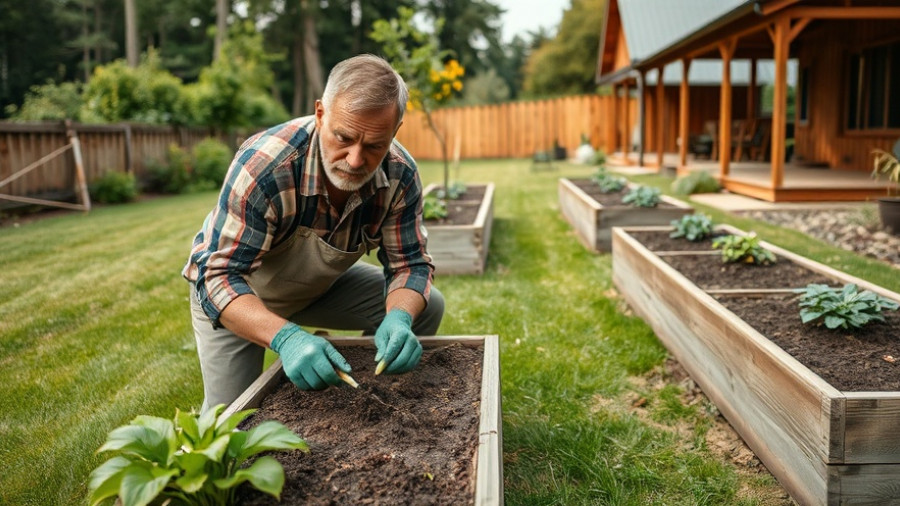
Maximizing Harvests with Warm Raised Garden Beds
Warm raised garden beds represent an ingenious method to enhance your gardening experience, enabling earlier plantings, higher yields, and resilience against unexpected cold spells. By utilizing organic matter that decomposes over time, these beds not only heat the soil but also maintain beneficial microbes and earthworm activity, which in turn improves plant growth. For homeowners looking to optimize their gardening efforts, understanding how to build and maintain these beds can be the key to a successful garden.
In the video titled How to Build Easy Raised Garden Beds That Stay Warm! My Secret for a Healthy Harvest!, the discussion dives into the benefits and construction of warm raised beds, exploring key insights that sparked deeper analysis on our end.
The Science Behind Heat Accumulation
One of the most crucial aspects of warm raised garden beds is their unique ability to accumulate heat. In the video titled How to Build Easy Raised Garden Beds That Stay Warm! My Secret for a Healthy Harvest!, the creator explains how the coarse and fine organic material decomposing within these beds not only emits heat but also creates a better environment for delicate seedlings. The added benefit of using paving tiles helps during cooler nights, as these materials absorb heat during the day and release it slowly when temperatures drop, ensuring a stable environment for plant growth.
Why Earthworms Matter
Earthworms are not just garden allies; they play a vital role in maintaining soil health. In properly structured warm raised beds, these creatures thrive, facilitating aeration and nutrient distribution. The video emphasizes minimizing soil disturbance to protect earthworm populations, as every worm contributes to the natural processes that enrich garden soil. Homeowners crafting their own beds should remember that even minor actions, like using mulch, can significantly boost earthworm health and, by extension, garden productivity.
Step-by-Step Construction Guide
Building a warm raised garden bed is straightforward and can be adapted based on available materials. The creator's method involves a layering approach: starting with coarse organic waste at the base, followed by finer materials, and finishing off with nutrient-rich soil on top. By ordering the layers correctly, gardeners can create an optimal environment for root penetration and moisture preservation. This layered treatment is not only practical but allows for easy reloading when maintaining the bed over the years.
Practical Tips for Success
- Healthy Soil Balance: Periodically reloading the soil, while prioritizing the upper layers for maintaining microbial life, can boost soil health. Avoid swapping soil layers to preserve the ecosystem established within the bed.
- Water Conservation: The use of mulch not only retains moisture but also reduces the need for frequent watering, making it an integral part of the maintenance process.
- Warm Bed Adaptability: The creator of the video suggests, innovatively, that these beds can be converted into greenhouses, demonstrating their versatility and utility throughout the gardening season.
Conclusion: Cultivating a Greener Future
Adopting warm raised garden beds can be a transformative approach for gardening enthusiasts, offering practical benefits while also promoting environmental stewardship. By harnessing natural processes like decomposition and incorporating eco-friendly practices, homeowners not only elevate their gardening game but contribute positively to the ecosystem. For those ready to take their gardening to the next level, now is the perfect time to implement these techniques and reap the benefits of optimized planting.
For more gardening insights and practical DIY projects to improve your home, consider exploring community workshops or online resources dedicated to sustainable gardening practices. Your green thumb will thank you!


Write A Comment