

Add Row
Add Element
cropper
update
Raleigh Better Home Living
update
Add Element
  • Home
  • Categories
    • DIY Projects
    • Smart Home Tech
    • Home Maintenance
    • Interior Design
    • Lawn and Garden
    • Design Trends
  • Adding Value to Your Home
  • Feature Local Businesses
September 14.2025
3 Minutes Read

Transform Your Yard with a DIY Garden Path: No Concrete Needed

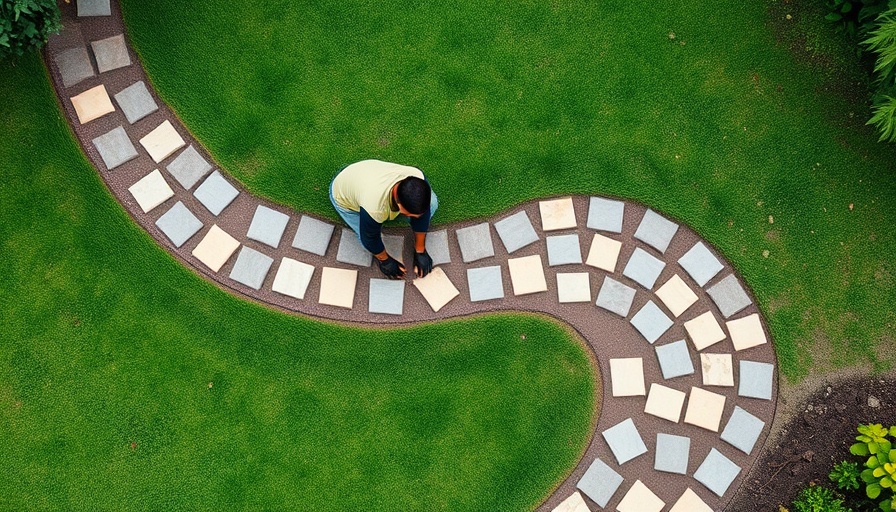
Curved DIY garden path construction with stones, aerial view.

The Appeal of a DIY Garden Path

Creating a natural stone walkway can enhance your home’s curb appeal and offer a charming entrance to your garden. In a recent video titled DIY Garden Path—No Concrete, No Hassle!, the journey of crafting a stone walkway from wild stone is explored in detail, showcasing how easy it can be to beautify your landscaping without relying on concrete. This DIY approach not only saves money but also adds an organic aesthetic to your property, making it a practical project for homeowners looking to increase their property's value.

In the video titled DIY Garden Path—No Concrete, No Hassle!, the discussion dives into the innovative techniques for creating a natural stone walkway, exploring key insights that sparked deeper analysis on our end.

Why Choose Natural Stone?

Many enthusiasts are drawn to natural stone for its durability and aesthetic appeal. However, the video highlights that the traditional methods involving concrete can be both expensive and labor-intensive. Homeowners are often left grappling with challenging installations that demand a high level of skill and considerable financial investment. The presenter advocates for using a sand base instead, which not only simplifies the installation but allows for easier repairs. If a part of the path sinks, homeowners can simply re-level it without having to start from scratch.

Modern Solutions for Old Challenges

One of the remarkable innovations presented in the video is the use of a specialized membrane, referred to as 'Planter Geo.' This high-density polyethylene material offers a new way to manage water drainage and soil stabilization, preventing issues related to frost heaving. The simplicity of using this technology combined with natural stone paves the way for creating a long-lasting path.

This modern solution requires minimal tools and can be done by any homeowner with basic DIY skills, proving that with today's technologies, building a walkway can be both straightforward and efficient.

The Importance of Proper Installation

As with any DIY project, proper installation is key. The video outlines essential steps such as marking the area, leveling the sand base, and ensuring a slight slope for water drainage. By adhering to these guidelines, homeowners can achieve a professional-looking garden path. Furthermore, the choice of materials is crucial; selecting high-quality natural stones ensures the path remains durable.

Environmental Considerations

Choosing natural stone not only contributes to an organic look but also aligns with environmentally friendly practices. Grass and other plants can grow between stones, encouraging biodiversity in gardens and promoting water drainage rather than allowing puddles to form. These natural features create a sustainable path that blends seamlessly into the surrounding landscape.

Embracing the DIY Spirit

The video serves as an inspiration for homeowners who want to take on a project that enhances their outdoor spaces. With the right tools and a willingness to learn, creating a garden path can be both a fulfilling and practical investment. Whether it's to improve aesthetics, ergonomics, or functionality, this DIY project is perfect for those looking to make their homes more inviting.

Call to Action: Get Started with Your Own Garden Path!

If you're inspired to beautify your outdoor space after watching this video, it’s time to dive into your DIY garden path project. Gather your materials, follow the steps outlined in the video, and enjoy the satisfaction of creating a stunning entrance to your garden.

Design Trends

1 Views

0 Comments

Write A Comment

*
*
Related Posts All Posts
12.08.2025

Unlocking Affordable Building Solutions: Inspired by Sauna Craftsmanship

Update Revolutionizing Construction: The Rise of Affordable Building Materials The call for simplicity and affordability in construction has never been more urgent, especially in an age where housing prices are skyrocketing and accessibility remains out of reach for many. A recent exploration into innovative building materials inspired by traditional sauna craftsmanship highlights how modern construction methods can be reimagined to prioritize lightness and cost-effectiveness. As seen in the journey of one entrepreneur who transformed his passion for building barrel saunas into a broader vision, the fusion of affordability and DIY enthusiasm can lead to remarkable outcomes.In 'Game-Changing Building Material Inspired by Sauna Traditions!', we delve into the innovative approach of utilizing sauna construction techniques, sparking intriguing insights into affordable building solutions. Sauna Craftsmanship: A Springboard for Innovation The journey begins with a unique insight: building materials need not be expensive or cumbersome. Inspired by the traditional design of sauna barrels, the entrepreneur diverged from conventional construction methods, proposing homemade composite materials that anyone can craft, even without prior construction experience. This shift not only demonstrates an innovative approach towards building but aligns with the desires of many homeowners looking to reduce costs while personalizing their spaces. By employing techniques learned from constructing mobile saunas, he crafted a business model that emphasizes sustainable practices and community engagement. Insights from DIY Enthusiasts For homeowners and aspiring builders, understanding the cultural shift towards DIY projects can be both empowering and liberating. With the right tools and materials, creating functional spaces that reflect personal styles is increasingly within reach. This shift is not merely about saving money; it's about fostering a sense of pride and ownership over one’s living environment. As economic pressures rise, many homeowners aged 35-55 are turning to DIY projects not just as a hobby, but as practical solutions to their needs. The Economic Implications of Affordable Building Solutions The implications of adopting cost-efficient building strategies extend beyond individual households; they signal a potential shift in how communities can approach housing shortages. The emergence of affordable saunas and other structures made from lightweight, easily accessible materials offers a roadmap for potential solutions to the housing crisis. As individuals utilize innovative designs and materials, they contribute to a decentralized economy where ownership and creativity flourish. Step-by-Step Implementations: Transforming Ideas into Homes This entrepreneurial journey showcases the power of breaking things down into manageable steps. The protagonist recalls how every reinforcement of the sauna structure led to enhanced stability and functionality, learning through trial and experience. For new DIY enthusiasts or homeowners considering their own building projects, this perspective is invaluable. It encourages a mindset of experimentation—an essential component for anyone seeking unique, cost-effective solutions that enhance their living environments. Beyond the Material: Building a Community Legacy As this unique story unfolds, it becomes clear that the quest for affordable building materials is not just an individual venture but a contributions to a larger community narrative. The opportunity to teach and inspire others reveals the social value inherent in sharing know-how and experiences. By fostering a community around building and DIY projects, individuals are not merely constructing houses—they’re building stronger neighborhoods. Future Trends in Building and Home Improvement Looking ahead, the intersection of traditional craftsmanship with modern materials will likely generate innovative trends in home construction. As more people recognize the benefits of affordable building solutions, we may see an increase in demand for DIY workshops and classes, ultimately contributing to a resurgence of local craftsmanship. The narrative around building materials is evolving; it’s a domain ripe for exploration, reflective of broader societal shifts towards sustainable and accessible housing. In closing, the exploration of affordable building materials drawn from sauna traditions underscores a pivotal movement toward inclusivity in construction. Homeowners and DIY enthusiasts alike are empowered to rethink what’s possible within the realm of their homes. With a surge of creativity and innovation, the call for simpler, lighter, and less costly construction methods grows louder. If you’re looking to transform your living space creatively and affordably, consider diving into DIY building projects inspired by these bold new ideas. Embrace the opportunity to not only enhance your home but also to contribute positively to your community!

12.04.2025

Building Your Dream Home: Insights from Foam Board Construction Innovations

Update Innovative DIY Home Construction: A New Approach with Foam Board Building your dream home can often feel like an overwhelming endeavor, especially for homeowners who are keen on cost-effective solutions without sacrificing style or function. One groundbreaking method gaining traction is incorporating extruded polystyrene foam in self-built home projects. In a recent deep dive into the DIY world, a unique conversation unfolded about the construction of a three-story, 1,500 square foot home using foam board, demonstrating not just innovation but practical techniques that many homeowners can replicate.In 'Building a Three-Story 1,500 sq ft House with Foam Board—DIY!', the discussion dives into innovative DIY construction techniques, exploring key insights that sparked deeper analysis on our end. Understanding Foam Board Construction: What You Need to Know One of the key insights from the project is the use of foam board, specifically extruded polystyrene, which stands as the core material for the house's structure. This material, while lightweight, offers exceptional insulation properties. As the builder explained, the assembly method employs the "corset technology," which utilizes mesh and adhesive rather than traditional framing. This unconventional approach raises questions about structural integrity, yet the builder assures that careful techniques and ample braces enhance stability. The Value of DIY Learning and Community Wisdom What's striking about this home-building narrative is the emphasis on community engagement and learning. The creator actively sought feedback and insights from viewers and acquaintances, showcasing the power of shared knowledge in DIY projects. Collectively developed solutions often lead to innovative builds, proving that sometimes the best ideas come from collaboration. This highlights the growing importance of platforms that allow homeowners and DIY enthusiasts to share their experiences and techniques. Cost-Effective Solutions Without Sacrificing Quality Cost-conscious homeowners will appreciate that these techniques are not only innovative but also budget-friendly. Traditional building methods can often lead to inflated costs, but this project exemplifies how resourcefulness can lead to nearly complete structures, often for a fraction of the price. The builder reflects on the time spent during winter months, when he was able to flourish in using off-peak seasons to focus on construction, emphasizing how strategic timing can save money. Future Trends in DIY Home Building As homeowners turn towards versatility and sustainability, the trends underline not just the materials but also the methods. This project reveals many possibilities, such as natural light improvements through cleverly designed skylight installations and the necessity of proper ventilation systems for comfort and safety. Future homeowners can aspire to a hybrid approach that melds craftsmanship with technology, which not only ensures longevity but enhances living experiences. The Essentiality of Planning in Home Building Projects The conversation captured in [Video Title] also serves as a vital reminder about the significance of planning and adaptability in home-building projects. Mistakes—such as unexpected drainage issues or improperly placed insulation—prompt creative problem-solving. Having a well-conceived plan that allows for adjustments is essential when balancing unexpected challenges with the ambition of creating a dream home. Ultimately, each innovation or imperfection tells a story about practicality and design flexibility that can be woven into the fabric of residential spaces. Embracing adaptability not only mitigates risk but also encourages homeowners to think critically about their environments. Conclusion: Embrace Your DIY Journey Building a home from scratch, as demonstrated through this project, emphasizes not only the technical skills involved but also the emotional and personal connection that fosters a unique living space. Homeowners, especially those aged 35-55, can take inspiration from this approach, reminding us that the journey itself can be as rewarding as the final product. If you're interested in exploring similar avenues in home construction, consider diving deeper into DIY techniques and innovative construction methods that could transform your living space.

11.30.2025

Experience the Harmony of Mid-Century Architecture and Modern Serenity

Update Exploring the Fusion of Mid-Century Architecture and Modern Serenity In recent years, there has been a significant shift in how we view home design. The blend of traditional and contemporary elements is no longer just a trend but a way to create spaces that reflect both personality and tranquility. A prime example is the yin hotel in Guangzhou, which elegantly marries mid-century architecture with modern serenity. This unique approach not only transforms the aesthetic of a home but also enhances the living experience.In 'Mid-century architecture meets modern serenity,' the discussion dives into striking design elements that spark inspiration for homeowners looking to transform their living spaces. The Allure of Mid-Century Design Mid-century architecture, characterized by clean lines, organic forms, and an integration with nature, has stood the test of time. Its roots in the 1940s through the 1960s ensure it remains a popular choice among homeowners looking to evoke a sense of nostalgia and charm. Elements such as large windows, open spaces, and flat planes encourage a seamless connection with the outside world, making mid-century homes ideal for those who appreciate nature-inspired design. Modern Serenity: A Contemporary Approach to Living Space On the other hand, modern serenity focuses on minimalism and simplicity. Blending soothing colors, natural materials, and streamlined designs helps create an environment of calmness. This aesthetic is particularly appealing to professionals and executives, who may require their homes to serve as sanctuaries away from their busy lives. The yin hotel embodies this tranquility, offering an experience that highlights both architectural legacy and contemporary style. Why This Style Matters Today Combining mid-century architecture with modern design principles not only heightens the aesthetic appeal but also increases the functional aspects of living spaces. For homeowners, this merging allows for greater opportunity in personalized space; a living area can both inspire creativity and offer restful solitude. As our lifestyles continue to evolve, the need for environments that foster well-being and contentment grows stronger. Balancing Tradition with Innovation While the yin hotel showcases how these design philosophies can elegantly coexist, many homeowners can also achieve this balance through their home renovations or designs. By incorporating elements like natural wood finishes, expansive glass windows, and a strategic use of greenery, one can recreate a similar soothing effect in any living space. Actionable Steps for Homeowners For those looking to bring this aesthetic into their homes, here are practical tips to consider: Prioritize natural light: Large windows and open layouts encourage light to flow freely, creating a bright and airy atmosphere. Incorporate natural materials: Using materials such as stone, wood, and linen can evoke a feeling of warmth and comfort. Select a soothing color palette: Muted earth tones and pastel shades promote relaxation and calmness. Emphasize simplicity: Keep furnishings and decor minimal to avoid clutter and maintain the serene vibe. Bring nature indoors: Plants not only improve air quality but also add a touch of life and color to your interiors. The Emotional Impact of Design Our home is often a direct reflection of our lifestyles and well-being. By understanding how to merge mid-century architecture with modern serenity, individuals can create spaces that not only look appealing but also enhance their quality of life. Whether you are renovating or building anew, consider how your space can serve as a haven for tranquility amidst the chaos of everyday living. Conclusion: Embrace the Fusion of Design Aesthetics As we've delved into the unique intersection of mid-century architecture and modern serenity showcased in the yin hotel, it's clear that thoughtful design can transform our living spaces into sanctuaries. Take the inspiration from this analysis to enhance your home, and embrace the tranquil yet lively aesthetic that speaks to your identity. The marriage of styles holds the potential to unlock a refreshing perspective on your living environment as we navigate our busy lives.

Terms of Service

Privacy Policy

Core Modal Title

Sorry, no results found

You Might Find These Articles Interesting

T
Please Check Your Email
We Will Be Following Up Shortly
*
*
*