

Add Row
Add Element
cropper
update
Raleigh Better Home Living
update
Add Element
  • Home
  • Categories
    • DIY Projects
    • Smart Home Tech
    • Home Maintenance
    • Interior Design
    • Lawn and Garden
    • Design Trends
    • Draft or Deletes
  • Adding Value to Your Home
  • Feature Local Businesses
September 16.2025
3 Minutes Read

Transform Your Home with a Modern Shed: Insights from a DIY Build

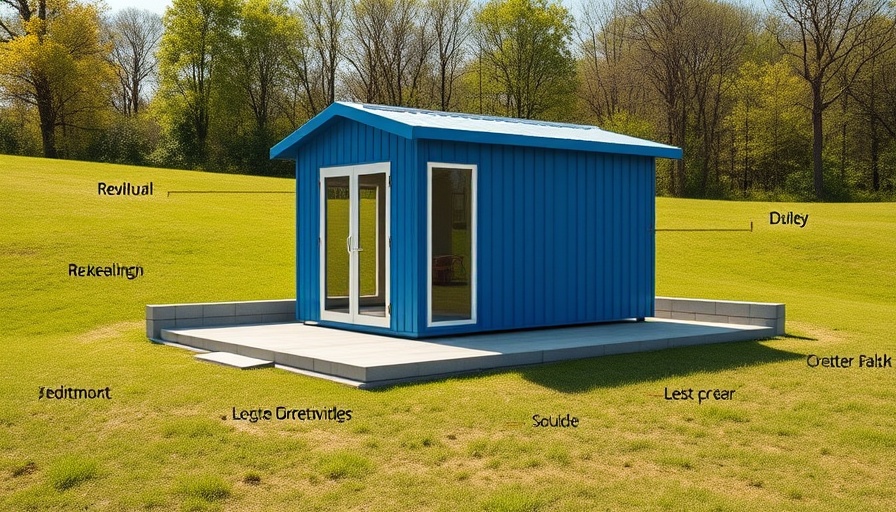
DIY modern shed construction with concrete pad and retaining wall.

Building Your Own Modern Shed: A Step Towards DIY Mastery

The increasing popularity of DIY projects among homeowners, particularly within the 40 to 65 age bracket, presents an exciting opportunity to enhance personal spaces while increasing property value. Recently, the DIY community has embraced ambitious projects, such as constructing modern sheds. In the video "Mega DIY Shed Build | Retaining Wall + Concrete Pad + Full 12x16 Modern Shed", viewers are invited to witness an extensive process of building a modern shed complete with a retaining wall and concrete pad, showcasing valuable techniques that can inspire weekend warriors everywhere.

In "Mega DIY Shed Build | Retaining Wall + Concrete Pad + Full 12x16 Modern Shed", the video dives into the detailed steps of building a modern shed, prompting us to reflect on its broader implications and opportunities for homeowners.

Why a Modern Shed is a Smart Investment for Homeowners

Investing in a modern shed is more than just adding storage space; it's a move towards enhancing aesthetic appeal and property functionality. For homeowners looking to increase their living space without the hassle of extensive renovations, a well-designed shed can serve as a workshop, home office, or personal retreat. It can also add significant value to your property, providing an exciting return on investment should you decide to sell.

A DIY Shed: A Personal Retreat or Practical Workspace?

One of the primary motivations for undertaking a DIY shed project is the flexibility it offers. Not only does it allow homeowners to curate their space according to specific needs, but it also fosters creativity and personal expression. Some envision their shed as a tranquil retreat, complete with cozy seating and decorative charm, while others may need a practical workshop for hobbies such as woodworking or gardening. No matter the purpose, the shed becomes a unique reflection of its creator.

Essential Steps in Your DIY Shed Journey

The video delves into the comprehensive steps involved in constructing a modern shed—relevant to anyone looking to embark on similar projects. Each critical stage is filled with insights—from choosing the right materials to techniques for digging a robust foundation. Creating a solid concrete pad, as demonstrated, not only ensures durability but also elevates the overall shed construction quality.

Concrete Pads: The Foundation of Your Dreams

A concrete pad acts as the backbone of any shed. It provides stability and protection against moisture, crucial for long-term ownership. Interested homeowners will find that careful planning and execution in pouring and leveling a concrete pad drastically influence the longevity and usability of their shed.

Dealing with Local Regulations: What You Need to Know

Before commencing any construction project, understanding local regulations concerning shed construction is vital. Sedentary barriers and building codes vary by locale; hence, checking zoning laws can save future headaches. The video hints at the importance of ensuring that the final structure meets local requirements, highlighting key considerations to keep your project on the right track.

Resourcefulness: Tools and Techniques for Success

Homeowners contemplating a DIY shed build should accumulate necessary tools and materials ahead of time. The project highlighted in the video emphasizes a balanced mix of power tools and hand tools, ensuring efficiency without the intimidation factor often associated with complex projects. Techniques demonstrated in the video can boost confidence in execution, providing reassuring steps to follow as you delve into your DIY escapade.

Community Inspiration: Joining the DIY Movement

The DIY movement represents more than just individual projects; it encompasses a community of shared inspiration, knowledge, and skills. Engaging with online platforms or local workshops can instill confidence and additional creativity, connecting like-minded individuals who can offer support and feedback. Whether you're building a shed or any other DIY endeavor, there’s strength in community.

As you ponder over creating your modern shed, consider the newfound insights gained from the video "Mega DIY Shed Build | Retaining Wall + Concrete Pad + Full 12x16 Modern Shed". Arm yourself with knowledge and inspiration from the growing DIY trend, and take the first step in your own transformative project. The possibilities are limitless, and embarking on this journey could equip you with skills and practicality for years to come.

Home Maintenance

4 Views

0 Comments

Write A Comment

*
*
Please complete the captcha to submit your comment.
Related Posts All Posts
03.30.2026

Transform Your Outdoor Space: The Ultimate Guide to Floating Decks

Update Unlock the Secret to Outdoor Comfort with a Floating DeckIn How to Build a Floating Deck — No Permits, No Experience Needed, the discussion dives into a straightforward approach for homeowners, exploring key insights that sparked deeper analysis on our end. In the pursuit of enhancing outdoor living spaces, homeowners are increasingly seeking stylish and functional solutions. One of the most exciting options available today is the floating deck. These decks not only provide an appealing outdoor area but also offer versatility for various activities, from family barbecues to serene morning coffee sessions. This article will delve into the benefits, considerations, and step-by-step processes of building a floating deck, making it accessible for homeowners aged 40 to 65 who wish to enhance their properties without extensive experience or permits. Why a Floating Deck is the Perfect DIY Project for Homeowners A floating deck is an attractive solution for those looking to expand their living space into nature. Unlike traditional decks that require substantial groundwork and permits, floating decks rest on blocks or ground beams, providing flexibility and lower installation costs. This ease of construction is ideal for homeowners wanting to take on a do-it-yourself project, yielding a rewarding sense of accomplishment. Moreover, a floating deck can significantly boost your home's appeal. It adds aesthetic value and functionality to a backyard, increasing your outdoor space for entertainment and relaxation. This value is crucial for homeowners, particularly those looking to increase their property values, as an attractive deck can elevate the overall look of a home. What You Need to Know Before Starting Your Floating Deck Before embarking on a floating deck project, it’s essential to take stock of the site and your goals. First, choose an area that complements your backyard design and ensures a flat, level surface to avoid complications during construction. Think about the size and shape of your deck; whether a simple square design or a more intricate layout, each choice impacts your yard's functionality and aesthetics. Next, consider the materials. Pressure-treated lumber is often the go-to for affordability and durability, but consider composite boards for a longer-lasting option with low maintenance needs. Whichever you select, ensure they meet your preferences in quality and durability. A Step-by-Step Guide to Building Your Floating Deck Once you have your materials and location set, you’re ready to start building. Here is a simplified step-by-step guide: Design Layout: Sketch your deck’s layout on paper, ensuring to account for spacing and any features such as stairs or railings. Gather Materials: Beyond your primary decking material, secure posts, concrete blocks, hardware, and tools such as saws and drills. Prepare the Ground: Clear away any debris from the area, marking the locations of all deck supports using stakes. Install Concrete Blocks: Position concrete blocks or footings at each marked stake to serve as the foundation for the deck. Build the Frame: Construct the frame of the deck using your lumber, ensuring everything is level and secure. Attach the Decking: Finally, lay down the decking boards, ensuring they are aligned and attached firmly to the frame. Task completed, take time to relish the fruits of your labor. An accomplished floating deck transforms your yard into a functioning outdoor haven. Future Trends in Outdoor Living Spaces As we move further into 2024, trends indicate that homeowners will continue to emphasize outside living spaces as extensions of their homes. The growing focus on relaxation and comfort outdoors suggests that floating decks will remain a popular DIY project. Future iterations might include integrated lighting and smart technology, such as temperature sensors or motion-triggered lighting, enhancing usability. Additionally, eco-friendly materials and practices are likely to gain traction as homeowners become more environmentally conscious. Utilizing sustainable materials and incorporating plants into deck designs can attract buyers seeking greener options. Your Floating Deck: More Than Just a Structure The investment in a floating deck provokes more than financial return; it enhances lifestyle. It creates a space for gatherings, personal reflection, or enjoying nature. By initiating this project, homeowners become part of a larger movement emphasizing outdoor spaces that converge beauty with utility. So, are you ready to start your floating deck journey? Take action today and transform your outdoor experience. Start planning your project and connect with local DIY communities for support and inspiration!

02.26.2026

Uncovering Hidden Electrical Code Violations in Your Shed: What Homeowners Must Know

Update Hidden Code Violations: Protect Your Home Investment As homeowners, we often invest our time, money, and energy into our properties, particularly in our sheds—those cherished havens for storage, gardening supplies, or even home workshops. Yet, there lies an underbelly of home maintenance that, if ignored, could lead to significant issues. In navigating the intricate world of electrical installations, it's vital to recognize hidden electrical code violations and their potential repercussions.In 'Hidden Electrical Code Violation in Your Shed — Fix It Before It's Too Late', the discussion dives into the importance of electrical safety in outdoor structures, exploring key insights that sparked deeper analysis on our end. The Importance of Compliance with Electrical Codes Electrical codes serve as essential guidelines set forth to ensure safety and functionality in residential settings. These codes, enforced by local authorities, dictate how wiring and appliances must be installed. Abiding by these codes not only keeps your home safe from hazards such as electrical fires or shock but also preserves the value of your investment. Code violations may lead to costly repairs down the line, and in the worst-case scenario, official inspections can result in fines or required repairs before you can sell your home. Common Violations in Sheds According to experts, sheds often fall prey to poor electrical practices due to their perceived isolation. Common violations include: Improper Grounding: Failing to ground electrical systems can cause severe safety hazards. Outdated Wiring: Older wiring may not meet today's standards, making it imperative to upgrade. Overloaded Circuits: Using too many devices on a single outlet can result in overheating and fire risks. Each of these violations can create dangerous situations not only inside your shed but throughout your property. How to Identify a Code Violation Spotting a code violation may seem daunting, but it’s manageable with the right approach. Begin by examining your electrical panel; are there any signs of wear or outdated components? Take stock of your outlets and switches; if they feel hot to the touch or flicker, that’s a red flag. If you feel uncertain, consider enlisting a licensed electrician—doing so can save you time, money, and prevent potential hazards. Future Trends in Home Maintenance As home automation grows, keeping up with trends in smart home technology can bolster safety and convenience in your shed. Integrated systems can monitor electrical usage and alert you to irregularities—making it easier to catch issues before they escalate. Investing in smart technology now can not only save you costs in repairs but also enhance your home’s overall efficiency. Concluding Thoughts and Call to Action Ensuring your shed adheres to electrical codes shouldn't be an afterthought. By understanding common electrical violations and keeping up with safety measures, you take proactive steps in safeguarding your home and its value. If you're ready to maintain your home with integrity and safeguard your investment, consider scheduling a consultation with a qualified electrician today. The peace of mind this will bring is well worth it.

02.06.2026

Say Goodbye to Drywall: The Best Alternatives for Your Shed

Update Revolutionizing Shed Construction: Why Drywall is Out For homeowners looking to optimize their shed space, recent discussions in DIY communities have unveiled a surprising revelation: drywall is out! In its place, builders are turning to more innovative materials and techniques that promise both functionality and aesthetic appeal. The video titled "Drywall Is Dead for Sheds—Here's the Alternative" explores this trend, making a strong case for why traditional materials might not always be the best choice for outdoor structures.In the video 'Drywall Is Dead for Sheds—Here’s the Alternative', the discussion dives into the innovative materials available for shed construction, exploring key insights that sparked deeper analysis on our end. Understanding the Shift: What's Behind the Change? Traditional drywall, while a commonplace material in many homes, comes with limitations—especially in sheds that are often exposed to the elements. Moisture and temperature fluctuations can lead to damage, mold, and overall deterioration of drywall. As homeowners seek longevity and durability in their outdoor spaces, alternative materials such as plywood, OSB, and cement board have emerged as superior choices. These materials not only resist water but also provide structural integrity, ensuring that your shed stands the test of time. Benefits of Switching to Alternative Materials Embracing techniques that replace drywall presents various advantages: Durability: Unlike drywall, which can easily succumb to water damage, materials like plywood and OSB offer a robust solution that can better withstand humid environments. Cost-Effectiveness: Alternative materials can often be more affordable in the long run due to their longevity and reduced need for repairs. Customization: Homeowners can easily customize these materials with an array of finishes and treatments, giving sheds a personal touch that drywall cannot match. Design Trends: Embracing Modern Aesthetics As the design landscape evolves, so do the expectations for what a shed can provide. No longer just a utilitarian space for storage, sheds are being integrated into home aesthetics. Homeowners in the age group of 40 to 65, particularly those with an income between $50K to $150K, are investing in garden offices or hobby spaces. Utilizing materials that offer visual appeal alongside practicality, like treated wood or metal siding, fits perfectly with contemporary design trends. These alternatives help shed builders create spaces that are not only functional but also align with modern architectural styles. Practical Insights: Updating Your Shed with Modern Materials For homeowners ready to upgrade their shed with these innovative materials, here are some practical steps you can take: Research Your Options: Understand the pros and cons of each material available, from plywood to more unconventional options like metal panels. Consider Your Environment: If your shed will be in a particularly moist area, prioritize materials that resist water infiltration. DIY or Professional Help: Assess whether this is a project you can tackle on your own or if it’s time to bring in a professional for a more complex build. Unique Value: Why Knowing This Matters Understanding these modern alternatives is crucial not just for enhancing the utility of your shed but also for adding value to your property. With the real estate market continuously evolving, prospective buyers appreciate homes equipped with well-maintained and thoughtfully designed outdoor spaces. Investing in high-quality materials not only prolongs their lifespan but also ensures they complement the overall aesthetic of your home. The Future of Shed Construction: Predictions and Trends As we look ahead, the trend of moving away from drywall towards alternative materials is expected to gain momentum. Many experts believe that sheds will continue to evolve into multi-functional spaces, further integrating technology to create smart and efficient outbuildings. Homeowners will increasingly seek out sustainable options, affirming the relevance of eco-friendly materials in construction. In conclusion, the shift away from drywall is not merely a trend but a thoughtful response to the need for durability, aesthetic appeal, and practical use. If you are considering a shed renovation or new construction, exploring alternatives like plywood or cement board could make all the difference in enhancing your space. To dive deeper into specific building techniques or get your hands on free tote storage build plans, visit the resources linked in the video discussion.

Terms of Service

Privacy Policy

Core Modal Title

Sorry, no results found

You Might Find These Articles Interesting

T
Please Check Your Email
We Will Be Following Up Shortly
*
*
*