
cropper
Raleigh Better Home Living
  • Home
  • Categories
    • DIY Projects
    • Smart Home Tech
    • Home Maintenance
    • Interior Design
    • Lawn and Garden
    • Design Trends
    • Draft or Deletes
  • Adding Value to Your Home
  • Feature Local Businesses
August 02.2025
3 Minutes Read

Transform Your Home: Avoid These Common Landscaping Mistakes

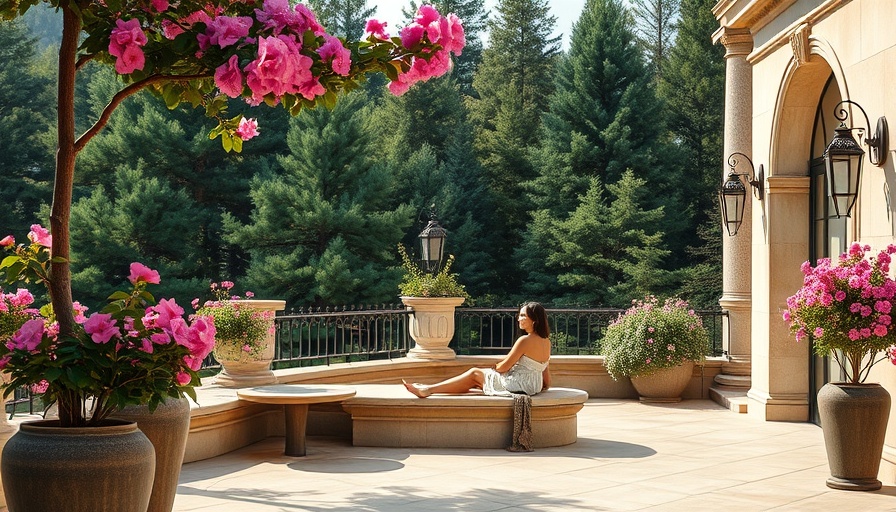
Outdoor patio with stone steps and furniture amid pine trees.

SEO Keyword: Common Landscaping Mistakes

When embarking on a landscaping project, the initial excitement can easily lead to decisions made in haste. Understanding common landscaping mistakes is crucial for every homeowner looking to enhance their outdoor space. This article highlights essential strategies to avoid five prevalent errors that can detract from your property's value and aesthetic appeal.

Designing with Purpose: Importance of a Landscaping Blueprint

One of the most significant errors homeowners make is rushing into planting without a plan. While the allure of vibrant flowers and tempting trees at your local nursery is undeniable, diving in without a clear strategy can lead to a chaotic garden layout. Before you dig your first hole, take time to design a comprehensive landscape plan.

Sketch your ideas on paper or utilize landscape design software to visualize your garden's potential. Consider crucial elements like plant colors, heights, and blooming seasons. This method not only saves you time and money but also ensures a harmonious outdoor space that reflects your personal style.

Understanding Plant Growth: Don’t Be Caught Off-Guard

Another common pitfall is not considering the mature size of plants. Those adorable little shrubs and trees might be tempting, but it is vital to research how large a plant will grow. Overcrowding not only diminishes the beauty of your garden but also increases the risks of disease and competition for resources.

By studying plant growth and ensuring adequate spacing, you can cultivate a healthy landscape that thrives without the hassle of overcrowding.

Soil Preparation: The Foundation of Thriving Plants

Skipping soil preparation and mulch can be detrimental to the health of your plants. Quality soil forms the backbone of a flourishing garden. Test your soil’s pH and enrich it with organic matter to encourage strong root development. Using mulch aids in moisture retention and weed suppression, ensuring your plants have the best possible environment to grow.

Enhancing Ambiance: The Role of Outdoor Lighting

No landscape is complete without proper lighting. Outdoor lighting serves dual purposes: enhancing aesthetic appeal and improving safety. Lighting pathways and spotlighting trees can make your landscape feel inviting, even after dark. Invest in a combination of soft glow and dramatic effects to provide both functionality and charm to your outdoor space.

Creating Balance: The Blend of Hardscape and Softscape

The final error to avoid is failing to balance hardscape and softscape elements. Hardscaping consists of patios, walls, and pathways, while softscape includes plants and gardens. Both elements need to complement each other to create a seamless transition throughout your yard.

As you design your layout, consider choosing materials and colors from your home to achieve a cohesive look. This balance encourages flow and defines spaces, making your yard more inviting and practical for entertaining or relaxing.

Inspirational Quotes from Expert Landscapers

Consider this insightful quote from renowned landscape designer Bill Johnson: "A garden is a reflection of one's personality. It should be as unique and expressive as the homeowner. Plan thoughtfully, and your outdoor space will flourish." This perspective highlights the importance of intentional design in creating a landscape that resonates with individuality.

Actionable Steps to a Beautiful Yard

To ensure that you avoid these common landscaping mistakes, here are a few actionable tips:

  • Research extensively: Familiarize yourself with local flora and preferred landscaping styles.
  • Consult professionals: Consider hiring a landscaping expert who can help with design and plant selection.
  • Invest in quality materials: Use quality soil amendments, mulch, and irrigation systems to guarantee the longevity of your landscape.

Incorporating these best practices not only enriches your home's curb appeal but also makes for a more enjoyable outdoor experience.

As you plan your landscaping project, remember that these considerations can significantly impact your results. By avoiding these five common landscaping mistakes, you can cultivate a thriving, stunning outdoor space you will be proud to share with family and friends.

Get started now to transform your yard into the sanctuary you've always dreamed of!
Lawn and Garden

92 Views

0 Comments

Write A Comment

*
*
Please complete the captcha to submit your comment.
Related Posts All Posts
11.02.2026

Master Your Pond Pump Care: Essential Cleaning Tips for Homeowners

Update Your Pond Pump: The Heart of Your Aquatic OasisYour pond pump is more than just a piece of equipment; it is the heart of your water feature, acting as a vital organ in the ecosystem of your pond. By keeping water in motion, it supports filtration, boosts oxygen levels for fish, and ensures your waterfalls and streams flow effortlessly. A well-maintained pump not only enhances the beauty and functionality of your pond but also ensures a safe habitat for aquatic life. Without proper maintenance, you risk a decline in water quality, increased algae growth, and potential health issues for your fish.Why Does Regular Pond Pump Maintenance Matter?Pond pumps operate continuously, battling debris, organic waste, and fluctuating temperatures. Over time, leaves, sludge, and algae can accumulate, leading to clogs that force the pump to work harder. This can lead to inefficient energy use and could even cause the pump to overheat or fail entirely. Regular maintenance is critical, as it ensures consistent water circulation, improves clarity, fosters beneficial bacteria, and maintains stable oxygen levels for your fish. A clean pump translates to a healthier pond ecosystem overall.Identifying Signs Your Pump Needs AttentionPond pumps can give off subtle warning signs that indicate they are struggling. Reduced water flow is a common indicator—if your waterfall looks weaker than normal or the water movement appears sluggish, your pump may need immediate attention. You should also be alert to unusual noises, such as rattling or grinding, which could suggest a clogged impeller or internal wear. Additionally, murky water or increased algae growth might signal insufficient circulation due to pump issues. If you notice any performance changes, it’s crucial to inspect your pump promptly to avoid costly repairs.Cleaning Schedule: How Often Should Your Pump Be Cleaned?The frequency of cleaning your pond pump depends on various factors, including the pond's size, fish load, nearby vegetation, and seasonal conditions. In many instances, simply emptying the skimmer basket is sufficient. However, for ponds without skimmers or with a lot of organic material, the pump may require weekly cleaning. For most setups, cleaning when the pump is pulled out for winter is sufficient. Otherwise, you should remain vigilant for signs that indicate the pump's performance is struggling.Seasonal Care: Your Pond Pump’s Yearly Checkup- **Spring**: Spring is when your pump is typically reintroduced to the pond. If you’ve cleaned it in the fall, a simple rinse will suffice. Watch it closely for a few days after reinstallation to make sure it operates normally.- **Summer**: During the summer, pay close attention to how debris and string algae can impede water flow. Strong winds and high heat can exacerbate issues, so monitor your pump closely during these periods.- **Fall**: This is critical for pump health, as falling leaves and decomposing matter can clog the skimmer and pump rapidly. Frequent removal of debris is essential in the autumn months.- **Winter**: We recommend removing the pump entirely for storage during winter. Before storing it away, perform a thorough cleaning, especially of the intake screen and impeller, to prevent any issues come spring.Step-by-step Process for Cleaning a Pond PumpCleaning your pond pump doesn’t have to be cumbersome. Follow these steps for effective maintenance:1. **Turn Off Electricity**: Always ensure that the pump is disconnected from the power source before cleaning.2. **Disassemble**: Carefully detach any components that require cleaning, such as the filter screen and impeller. Follow your manufacturer’s guidelines for correct disassembly.3. **Clean**: Use a soft brush or cloth to remove debris and buildup from all parts. Avoid abrasive materials that may scratch the pump surfaces.4. **Inspect**: While cleaning, inspect the parts for wear or damage. Replace any parts if necessary to keep the pump in optimal working condition.5. **Reassemble and Test**: After cleaning and inspection, reassemble the pump and test it before returning it to the pond.Benefits of Regular Pond Pump MaintenanceStaying on top of pond pump maintenance can yield numerous benefits. For one, it enhances the efficiency of your pump while prolonging its lifespan. Additionally, it ensures that your entire aquatic environment thrives; healthy fish, clear water, and beautiful plant life all stem from a properly functioning pump. There’s a certain peace of mind in knowing that your pond is operating at its best, especially when you are enjoying nature’s beauty from your backyard.Conclusion: Invest in Your Pond’s HealthPond maintenance may seem daunting, but in reality, regular cleaning and inspections are manageable and essential. By understanding your pump's needs and establishing a maintenance routine, you can enjoy a vibrant and thriving pond for years to come. If you’re ready to dive deeper into pond care strategies, consider connecting with local pond experts to tailor a maintenance plan for your unique water feature.

10.02.2026

How Does Michigan's Freeze-Thaw Cycle Impact Your Outdoor Spaces?

Update Understanding the Freeze-Thaw Cycle in Michigan Michigan homeowners face a unique challenge when it comes to navigating the state's notorious freeze-thaw cycle. This climatic phenomenon, characterized by alternating periods of freezing and thawing temperatures, can wreak havoc on outdoor spaces. As moisture seeps into soil, stone, and joints, it expands upon freezing and contracts upon thawing, effectively putting immense stress on materials and structures. While it may seem innocuous at first, this stress adds up over the seasons and can lead to significant issues if not addressed. Homeowners who become familiar with this cycle are better equipped to make informed decisions regarding the maintenance and design of their patios, ponds, and retaining walls. How Moisture Impacts Outdoor Features Moisture is both a vital element for life and a potential enemy in Michigan's freeze-thaw scenario. The process begins as water infiltrates the soil or hardscapes. Each freeze causes the water to expand—by as much as ten times its volume—instigating pressure that can compromise the integrity of patios and walkways. Over the years, this leads to soil heaving, uneven stones, cracks, and significant wear. Notably, hardscapes such as patios and retaining walls are particularly vulnerable since they must cope with an added weight of frozen soil behind them. Without proper construction practices that focus on strong base materials and effective drainage solutions, these outdoor structures can become undermined and prone to failure. The Vulnerabilities of Ponds in Michigan Your backyard pond, often seen as a tranquil feature, is not insulated from the rigors of the freeze-thaw cycle. The implications include potential liner damage, shifted stones, and stressed plumbing. As temperatures fluctuate, the surrounding soil can pull down on the pond liner, disrupt its placement, and even lead to leaks. By taking precautions such as adequate pond depth, using stable stone arrangements, and ensuring flexible plumbing installations, homeowners can reduce risks associated with winter damage. For those serious about preserving their ponds, winter preparations—like draining plumbing lines and employing a pond heater—are paramount. Protecting Your Hardscapes: The Importance of Drainage Of all the preventative measures that can be enacted, proper drainage stands at the forefront. Effective drainage prevents water from pooling near structures, significantly reducing freeze-thaw stress. Techniques such as proper grading, compacted aggregate bases, and installing French drains that guide water away are essential practices. When done correctly, these strategies allow for the longevity of patios, walkways, and retaining walls, providing peace of mind amidst Michigan's challenging winters. Future Strategies for Landscape Resilience Understanding the freeze-thaw cycle equips homeowners with the knowledge to implement strategies that future-proof their outdoor investments. As climate patterns shift, being proactive can ward off costly repairs down the line. It’s a blend of knowledge, experience, and foresight that will keep Michigan's outdoor features in prime condition for years to come. In conclusion, the impacts of Michigan’s freeze-thaw cycle may not be visible today, but over time, they can culminate in significant challenges that affect your outdoor spaces. With a commitment to proper design and maintenance, homeowners can protect their investments and enhance their enjoyment of these landscapes. If you’re ready to take proactive steps in safeguarding your outdoor spaces from freeze-thaw damage, reach out to local landscape experts today to discuss tailored solutions!

09.02.2026

New Pond Owners: Essential Checks for Your Existing Pond

Update Discover the Hidden Advantages of an Existing Pond Purchasing a home that features an existing pond can seem like a wonderful bonus, enriching your property with natural beauty and potential recreational activities. This serene water feature can serve as a habitat for various wildlife, including birds, frogs, and insects, creating a dynamic ecosystem right in your backyard. But before you dive into routine enjoyment, there are critical factors to consider to ensure you’re not inheriting hidden issues. These challenges often stem from prior owners’ choices regarding maintenance and design, impacting your future enjoyment. Understanding how these factors can affect your experience is key to making the most of your new water feature. Inspecting the Pond: What to Look For The initial inspection plays a vital role in determining the state of your pond. This step involves a visual assessment of the water quality, fish behavior, and the edges of the pond. Is the water clear, or does it appear cloudy? Noticeable algae or unpleasant smells could indicate underlying problems. Algae blooms, for example, can signify excess nutrients within the water, which may require management techniques to restore balance. Pay attention to your fish; healthy fish swim freely, while stressed fish may gasp or hide, suggesting poor water quality. You might even consider testing water parameters such as pH, ammonia, and nitrite levels to get a clearer picture of the aquatic environment's health. Understanding the Filtration System Next, familiarize yourself with the pond's circulation system, which is essential for maintaining a healthy ecosystem. Identify the skimmers, pumps, and biofalls; ensuring these components are functioning correctly is crucial. If the filtration system is not adequate, the natural beauty of your pond can quickly become overshadowed by murky waters and unpleasant odors. Outdated or neglected equipment can lead to future complications that are costly and complicated. If the filtration components appear old or heavily clogged, it’s time to consider upgrades. Investing in modern filtration solutions can significantly enhance the water clarity and overall pond health. Assessing Structural Integrity Beyond visual checks, assessing the structural elements of the pond is vital. The depth significantly influences the pond's ability to support aquatic life, with 2 feet being a standard minimum for temperature stability and fish protection. Shallow ponds can heat quickly in the summer and freeze over in winter, creating a high-stress environment for the fish. Examine the liner for brittleness or cracks, as these can signal age-related deterioration. Look for any shifting stones or unstable banks around the pond's perimeter, as these can also lead to more extensive and expensive repairs down the road. Targets for Improvement: What Is Repairable? Not all inherited ponds require an entire rebuild. Many common issues, like weak circulation or minor leaks, can be rectified with targeted upgrades that improve both functionality and aesthetics. Simple enhancements, such as adding plants that help filter the water or installing a more efficient pump, can vastly improve the pond's health and beauty. Through careful analysis and investment in essential repairs, you can restore the pond's beauty while avoiding significant disruption or expense. However, chronic problems like severe leaks or structural damage may necessitate a more extensive overhaul, and in such cases, consulting with professionals could save you headaches later on. The Emotional Benefits of Pond Ownership Aside from maintenance considerations, owning a pond can significantly enrich your life. Ponds attract wildlife, allowing you to connect with nature right in your backyard. This can be particularly restorative, offering a serene escape from daily stresses. They provide peaceful surroundings for relaxation, contemplation, and even family gatherings. Your pond could become a cherished gathering spot, where you and your loved ones enjoy barbeques or simply soak in the tranquil environment. This emotional connection underscores the importance of understanding the state of your pond and tending to its health, ensuring it remains a source of joy and not a nuisance. Concluding Thoughts: Taking Action on Your Pond Owning a pond can enhance your property value and lifestyle, but it demands a thorough understanding of its existing condition. By taking the time to inspect and repair your pond, you can ensure it remains a source of joy rather than a burden. Engage with local pond specialists or communities to learn more about maintaining your unique water feature. These resources can provide invaluable insights on improving and enhancing the ecological health of your pond. As you embrace the responsibilities and joys of pond ownership, remember that each step you take in its care can lead to a more vibrant, enjoyable, and sustainable environment in your backyard.

Raleigh Better Home Living

Discover Essential DIY, Landscaping, Maintenance, and Design Tips for Raleigh Metro Homeowners on Our Media Site!

Green Street Constulting LLC

864 535 6456

AVAILABLE FROM 8AM - 5PM

ABOUT US

Empowering Raleigh Metro Homeowners: Discover the Latest Articles and YouTube Videos for Home Improvement Tips!

© 2026 CompanyName All Rights Reserved. Address . Contact Us . Terms of Service . Privacy Policy

Terms of Service

Privacy Policy

Core Modal Title

Sorry, no results found

You Might Find These Articles Interesting

T
Please Check Your Email
We Will Be Following Up Shortly
*
*
*