
Did you know that many homeowners in Raleigh wait until a leak appears before inspecting their roofs? This costly delay can result in thousands of dollars in damage. In this roof replacement guide, we uncover startling facts and expert insights to empower you to protect your home effectively. From debunking common myths to understanding the full replacement process and evaluating roofing estimates, this article equips you with the essential knowledge to make informed decisions and safeguard your investment.
Startling Facts About Roof Replacement Every Homeowner Should Know

Many homeowners assume that all roofs and contractors are alike, but that is far from reality. The quality of roofing materials, installation practices, and warranty options can vary dramatically from one contractor to another. As David Lamartiniere of Lamar Home Roofing highlights, “A roof is not just shingles; it’s a full system designed to protect your home and your family.” This distinction is critical because a roof that is poorly installed or uses inferior materials can fail prematurely, leading to expensive repairs.
Another often overlooked fact is that roofing work extends beyond simply replacing shingles. Homeowners frequently misinterpret the scope of roof replacement, thinking it ends with shaking off old shingles and nailing on new ones. In reality, professionals assess the entire roofing system. This includes ventilation, flashing, storm damage assessment, and insurance navigation. “Homeowners often don’t know they may qualify for insurance coverage instead of paying out of pocket,” Lamartiniere explains, which can significantly offset replacement costs. Understanding these facts helps avoid costly mistakes and ensures your roof performs as a long-term protective system.
Understanding the Roof Replacement Process: Beyond Just Shingles
What Does a Full Roof Replacement Entail?
When considering a roof replacement, it’s crucial to understand that the process is more comprehensive than simply swapping out shingles. A full roof replacement involves stripping the old roofing materials down to the decking, inspecting the roof deck for damage, and replacing critical components such as drip edges, ice and water barriers, and flashing. Each element plays a vital role in creating a durable, weather-resistant roof system.
David Lamartiniere emphasizes, “Our work includes helping homeowners navigate insurance, storm damage, proper ventilation, and long-term protection.” This indicates that a full replacement project covers ventilation improvements to prevent moisture buildup and ice dams. Without proper ventilation, attic heat and humidity can degrade roofing materials prematurely, leading to structural problems and energy inefficiency. The roof deck, often overlooked by homeowners, is the foundation for all roofing materials, and ensuring it is sound and dry before installation is essential for lasting durability.
The Importance of Proper Materials and Installation
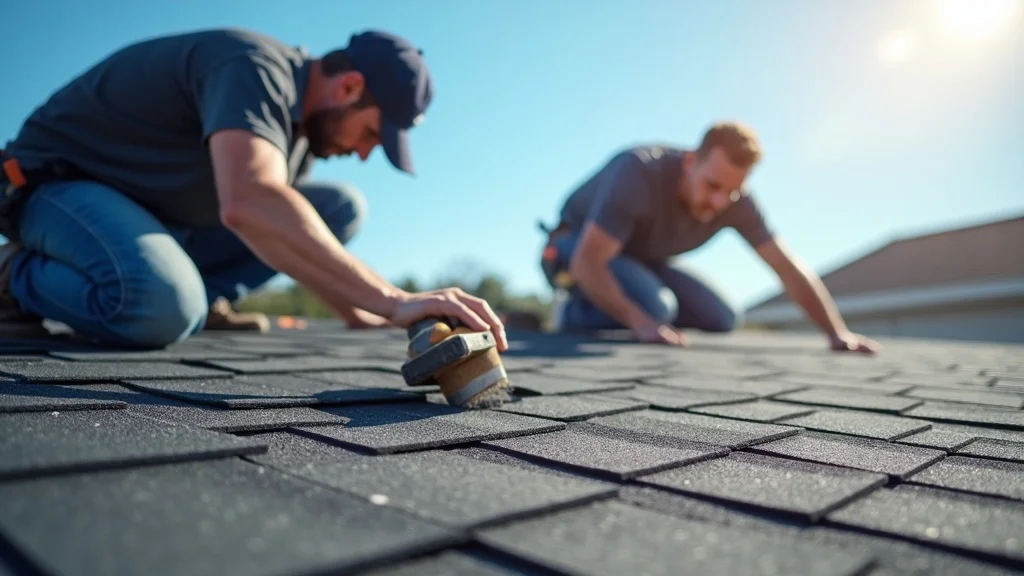
Using quality roofing materials and expert installation methods are indispensable parts of a successful roof replacement. The roofing materials you choose should be rated for the local climate. In Raleigh’s challenging weather — characterized by heat, humidity, hail, and strong winds — selecting materials that can withstand these conditions is vital. Asphalt shingles with high wind resistance or specially treated granules help extend roof life.
Installation quality is equally important. “A reputable roof replacement contractor ensures every shingle is properly fastened, flashing is accurately installed, and ventilation is optimized,” says Lamartiniere. Poor installation can void warranties and reduce the roof’s effectiveness. It’s why working with certified professionals who provide transparent documentation, including photos of each project phase, is essential for peace of mind and long-term satisfaction.
Common Misconceptions About Roof Replacement
Misconception: All Roofs and Contractors Are Equal
One of the biggest misconceptions surrounding roof replacement is that all roofs and contractors are the same. This flawed belief often leads homeowners to choose based on price alone. However, many roofing contractors differ widely in quality, service, and the materials they use. Lamar Home Roofing’s David Lamartiniere points out, “Corporate companies might see clients as job numbers. We see them as neighbors and families trusting us with their homes.” This highlights the importance of selecting contractors who prioritize integrity, communication, and craftsmanship.
Choosing the wrong contractor or subpar materials can result in premature roof failure, leading to costly repairs or replacement sooner than expected. Always ensure your roofing contractor is licensed, insured, certified by shingle manufacturers, and willing to assist with insurance claims when applicable.
Misconception: Roofing Is Only About Shingles
Many homeowners don’t realize that roof replacement involves far more than just replacing shingles. The roofing system includes flashing, pipe boots, ventilation, underlayment, and structural components that work together to protect your home from the elements. Neglecting these can compromise the roof’s overall integrity.
David Lamartiniere sheds light on this: “A lot of our work is actually helping homeowners with insurance, storm damage, proper ventilation, and long-term protection.” Ignoring these aspects can cause issues like moisture damage, heat accumulation in the attic, and insurance claim denials. A comprehensive approach to roof replacement ensures a resilient, energy-efficient roof system tailored to withstand Raleigh’s specific weather challenges.
How to Compare Roof Replacement Estimates Effectively

What materials are being used?
Is the contractor certified and licensed?
What warranties are included?
Is it a full roof system or just shingles?
Are flashing, pipe boots, and ventilation replaced?
Is the contractor insured?
Do they assist with insurance claims?
Do they provide photos of the project stages?
What is the cleanup process?
When reviewing roofing estimates, homeowners should look beyond the total price to the specifics of what’s included. Ask detailed questions about materials and installation practices. Are the shingles being installed a full system certified by the manufacturers? Does the estimate include replacing flashing, pipe boots, or ventilation components? These elements add value and crucial protection to your roof.
Make sure the contractor is licensed, insured, and certified with transparent warranty offerings. Some companies also assist with insurance claims, which can alleviate financial burdens if the damage qualifies. Being proactive in asking for photos and descriptions of cleanup ensures thorough project management and respect for your property.
Challenges Raleigh Homeowners Face in Roof Replacement
Preparing Your Roof for Carolina Weather
Schedule yearly roof inspections
Ensure proper attic ventilation
Address minor issues promptly
Select materials rated for local weather conditions
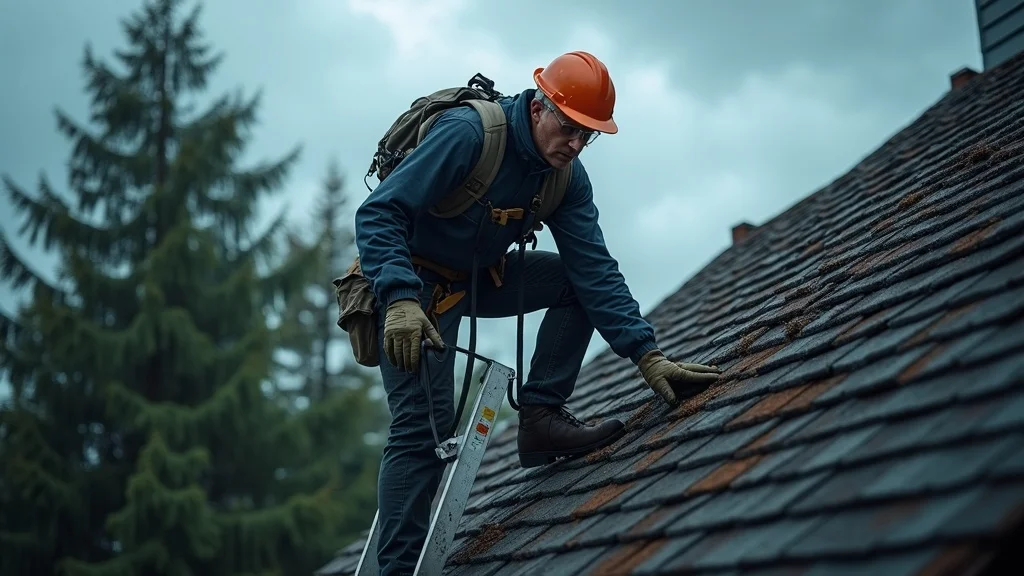
Raleigh’s environment presents unique challenges for roofs, including intense heat, high humidity, frequent hail, heavy rain, and strong winds. These factors contribute to granule loss, wind uplift of shingles, moisture buildup, hail damage, and ice dam formation during winter.
Homeowners should schedule annual inspections to detect early signs of wear. Proper attic ventilation is essential to reduce heat and moisture accumulation that accelerate roof deterioration. Addressing minor damages early prevents worsening conditions. Finally, selecting roofing materials engineered for Carolina weather ensures optimal durability and protection.
Key Components: Roof Deck, Drip Edge, and Ice and Water Barriers
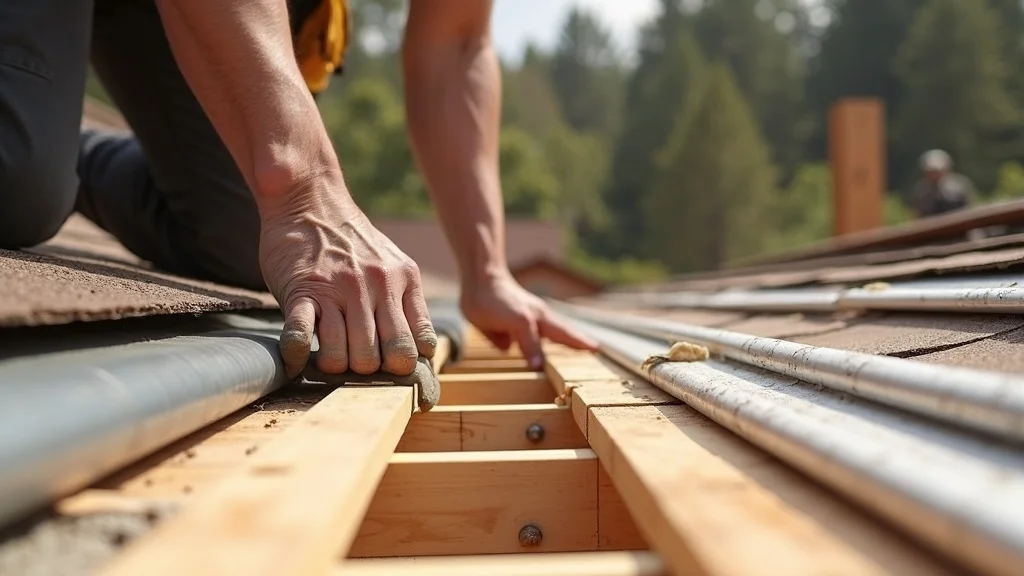
The roof deck forms the base of your roof and must be structurally sound and dry before installation. A properly installed drip edge helps direct water away from the fascia and prevents damage to the underlying structure. Furthermore, ice and water barriers provide critical waterproof protection, especially along roof edges and valleys, reducing the risk of leaks caused by ice dams or heavy rains.
Replacing or installing these components correctly is an indispensable part of the roof replacement process that contributes to a roof’s longevity and resistance to the elements. A professional roofing company will emphasize these details in their work to ensure your home is well defended.
Expert Insights: The Family-Owned Difference in Roofing Services
Why Choose a Family-Owned Roofing Company?

Choosing a family-owned roofing company like Lamar Home Roofing offers unique advantages. According to David Lamartiniere, co-founder of Lamar Home Roofing, “Being family-owned means everything we do is personal. We treat every project like it has our name on it — because it does.”
Family-owned businesses typically emphasize communication, integrity, and workmanship. Unlike large corporations, they view each homeowner as a neighbor and partner, fostering trust and personalized service. From providing detailed photos during each project stage to assisting with insurance claims and maintaining open lines of communication, these companies build lasting relationships instead of simply completing transactions.
What You'll Learn in This Roof Replacement Guide
How to identify when to replace your roof
Understanding the full roof replacement process
How to evaluate roofing materials and contractors
Navigating insurance and warranty options
Preparing your home for local weather challenges
Avoiding common roofing misconceptions and mistakes
People Also Ask: Common Roof Replacement Questions Answered
What is the 25% rule for roofing?
The 25% rule suggests that if at least 25% of your roof requires repairs or replacement, it may be more cost-effective to replace the entire roof rather than patching various sections. This approach prevents future issues and ensures uniform durability.
What is the average cost of a replacement roof in Raleigh, NC?
The average cost for a new roof in Arkansas ranges from $7,000 to $20,700, depending on roof size, materials, labor, and complexity. Asphalt shingles are the most common and economical choice.
How much does it cost to replace a 2000 ft roof?
Replacing a 2,000 square foot roof generally costs between $8,000 and $15,000, varying by location, materials, and required repairs or system upgrades.
Key Takeaways from the Roof Replacement Guide
Roofing Material |
Average Cost |
Durability |
Warranty Options |
|---|---|---|---|
Asphalt Shingles |
$1.50 - $5.50 per sq ft |
15-30 years |
Manufacturer warranty 20-50 years |
Metal Roofing |
$5 - $12 per sq ft |
40-70 years |
20-40 years |
Clay or Concrete Tiles |
$10 - $18 per sq ft |
50+ years |
Limited lifetime |
Wood Shakes |
$6 - $9 per sq ft |
20-40 years |
Varies by manufacturer |
Roof replacement is a comprehensive process involving multiple components beyond shingles.
Quality materials and certified contractors are essential for long-term protection.
Early inspections can prevent costly damage from weather-related wear.
Family-owned roofing companies often provide personalized, trustworthy service.
Comparing detailed estimates helps homeowners make informed decisions.
Conclusion: Protect Your Home with Informed Roof Replacement Decisions
Schedule regular inspections, choose certified contractors, and approach roof replacement as a full system upgrade to ensure your home’s lasting protection and value.
Ready to Replace Your Roof? Contact Lamar Homes Today
For trusted expertise and personalized service in Raleigh, contact Lamar Home Roofing to schedule your free roof inspection and start your worry-free roof replacement journey today.
Sources:

Write A Comment