

Add Row
Add Element
cropper
update
Raleigh Better Home Living
update
Add Element
  • Home
  • Categories
    • DIY Projects
    • Smart Home Tech
    • Home Maintenance
    • Interior Design
    • Lawn and Garden
    • Design Trends
    • Draft or Deletes
  • Adding Value to Your Home
  • Feature Local Businesses
July 23.2025
3 Minutes Read

Stop Window Well Flooding: Essential Tips for Homeowners

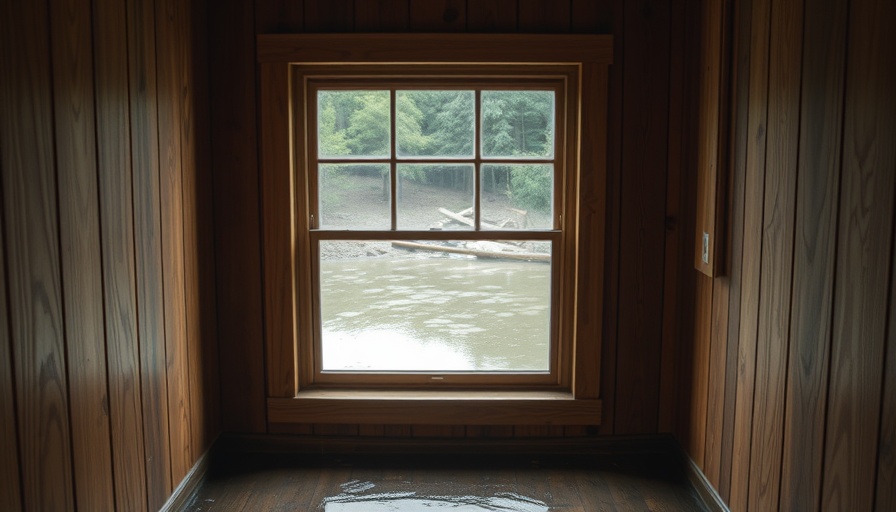
Flooded window well in a basement highlighting prevention needs.

Window Wells: Your Home's Unsung Hero

Let’s talk about window wells. These humble spaces are more than just metal or plastic structures; they are the unsung heroes of your basement. Not only do they allow natural light to flood in, making your basement feel less like a dungeon and more like a cozy retreat, but they also support airflow, keeping humidity levels in check. However, a well-designed window well can quickly become a source of frustration when it floods. This article will help you understand how to keep your window wells dry, ensuring they continue to brighten your space and prevent costly water damage.

Why Do Window Wells Flood?

Understanding the reasons behind window well flooding is crucial for effective prevention. The causes can be broken down into a few key issues:

Blocked Drainage

Many modern window wells come equipped with drainage systems that connect to your home’s perimeter drain or sump pump. If leaves, dirt, or debris clog these drains, water will quickly back up, leading to potential flooding. Even window wells without drains can fill with water if debris blocking the bottom drain is not periodically cleaned out.

No Covers Equals More Problems

Leaving your window wells uncovered can invite not only rain and snow but also fallen leaves and even critters that can block drainage paths. An open well allows water to pool, creating an easy path to your home’s foundation.

Ground Slopes and Weather Challenges

If your landscape slopes towards your home, it can become a veritable water slide during heavy rains or rapid snow melts, directing water straight into your window wells. Additionally, with climate change leading to more extreme weather conditions, understanding these patterns is critical in planning your home maintenance.

Simple Solutions to Stop Window Well Flooding

Here are some manageable steps to effectively tackle window well flooding:

1. Install Window Well Covers

The most effective first step is to install a window well cover. A high-quality polycarbonate cover will ensure that while rain and debris stay out, natural light still floods into your basement. This simple addition significantly decreases the likelihood of your window wells flooding.

2. Regular Drain Maintenance

You don’t need to be a contractor to keep your window wells functioning. Checking and clearing out your window well drain every few seasons is straightforward. With a cover installed, this task is even easier, as the cover helps limit debris accumulation.

3. Inspect and Clear Downspouts and Gutters

Overflowing gutters can rapidly escalate the flooding risk. Regularly check your downspouts during heavy rain and inspect for blockages. A good practice is to check your gutters for buildup and clean them out. Overgrown foliage in your gutters is another sure sign that it’s time for cleaning.

The Bigger Picture: Impact on Home Maintenance

Taking action against window well flooding does more than protect your basement; it maintains your home's overall integrity. Flooding can lead to issues like mold growth and structural damage, significantly affecting your home’s value. Regular upkeep, including those small steps outlined above, helps you avoid costly repairs down the road.

Call to Action: Ensure Your Home Stays Dry

Don’t let window well flooding disrupt your living space. Start implementing these tips today to keep your basement window wells dry, bright, and welcoming. The time you spend now on preventative maintenance will pay off in the peace of mind and comfort of your home. Make your basement a place you want to retreat to, not one you dread!

Home Maintenance

3 Views

0 Comments

Write A Comment

*
*
Related Posts All Posts
02.06.2026

Say Goodbye to Drywall: The Best Alternatives for Your Shed

Update Revolutionizing Shed Construction: Why Drywall is Out For homeowners looking to optimize their shed space, recent discussions in DIY communities have unveiled a surprising revelation: drywall is out! In its place, builders are turning to more innovative materials and techniques that promise both functionality and aesthetic appeal. The video titled "Drywall Is Dead for Sheds—Here's the Alternative" explores this trend, making a strong case for why traditional materials might not always be the best choice for outdoor structures.In the video 'Drywall Is Dead for Sheds—Here’s the Alternative', the discussion dives into the innovative materials available for shed construction, exploring key insights that sparked deeper analysis on our end. Understanding the Shift: What's Behind the Change? Traditional drywall, while a commonplace material in many homes, comes with limitations—especially in sheds that are often exposed to the elements. Moisture and temperature fluctuations can lead to damage, mold, and overall deterioration of drywall. As homeowners seek longevity and durability in their outdoor spaces, alternative materials such as plywood, OSB, and cement board have emerged as superior choices. These materials not only resist water but also provide structural integrity, ensuring that your shed stands the test of time. Benefits of Switching to Alternative Materials Embracing techniques that replace drywall presents various advantages: Durability: Unlike drywall, which can easily succumb to water damage, materials like plywood and OSB offer a robust solution that can better withstand humid environments. Cost-Effectiveness: Alternative materials can often be more affordable in the long run due to their longevity and reduced need for repairs. Customization: Homeowners can easily customize these materials with an array of finishes and treatments, giving sheds a personal touch that drywall cannot match. Design Trends: Embracing Modern Aesthetics As the design landscape evolves, so do the expectations for what a shed can provide. No longer just a utilitarian space for storage, sheds are being integrated into home aesthetics. Homeowners in the age group of 40 to 65, particularly those with an income between $50K to $150K, are investing in garden offices or hobby spaces. Utilizing materials that offer visual appeal alongside practicality, like treated wood or metal siding, fits perfectly with contemporary design trends. These alternatives help shed builders create spaces that are not only functional but also align with modern architectural styles. Practical Insights: Updating Your Shed with Modern Materials For homeowners ready to upgrade their shed with these innovative materials, here are some practical steps you can take: Research Your Options: Understand the pros and cons of each material available, from plywood to more unconventional options like metal panels. Consider Your Environment: If your shed will be in a particularly moist area, prioritize materials that resist water infiltration. DIY or Professional Help: Assess whether this is a project you can tackle on your own or if it’s time to bring in a professional for a more complex build. Unique Value: Why Knowing This Matters Understanding these modern alternatives is crucial not just for enhancing the utility of your shed but also for adding value to your property. With the real estate market continuously evolving, prospective buyers appreciate homes equipped with well-maintained and thoughtfully designed outdoor spaces. Investing in high-quality materials not only prolongs their lifespan but also ensures they complement the overall aesthetic of your home. The Future of Shed Construction: Predictions and Trends As we look ahead, the trend of moving away from drywall towards alternative materials is expected to gain momentum. Many experts believe that sheds will continue to evolve into multi-functional spaces, further integrating technology to create smart and efficient outbuildings. Homeowners will increasingly seek out sustainable options, affirming the relevance of eco-friendly materials in construction. In conclusion, the shift away from drywall is not merely a trend but a thoughtful response to the need for durability, aesthetic appeal, and practical use. If you are considering a shed renovation or new construction, exploring alternatives like plywood or cement board could make all the difference in enhancing your space. To dive deeper into specific building techniques or get your hands on free tote storage build plans, visit the resources linked in the video discussion.

01.16.2026

Transform Your Workspace: Innovative Ceiling Ideas for Sheds and Garages

Update Unconventional Ceiling Ideas for Your Shed, Workshop, or Garage When it comes to DIY projects, especially in spaces like sheds, workshops, or garages, the ceiling often gets overlooked. Homeowners between 40 and 65 might be looking for solutions to enhance these workspaces and create a stylish yet functional environment. With innovative techniques and a little creativity, you can create a ceiling that not only serves its purpose but also adds aesthetic value to your space.In The Easiest Shed, Workshop, or Garage Ceiling You’ve Never Tried, the discussion dives into innovative ceiling design options for your workspaces, exploring key insights that sparked deeper analysis on our end. Exploring the Aesthetics of Ceiling Design Ceiling design is not just about utility; it’s also about transforming a mundane space into something inviting. Installing wooden beams or panels can provide a rustic charm, while a smooth drywall ceiling offers a more contemporary feel. Regardless of your choice, the ceiling is an opportunity to showcase your design style, drawing the eye upward and adding depth to the room. Cost-Effective Ceiling Solutions for DIY Enthusiasts For budget-conscious homeowners, there are numerous cost-effective solutions that don’t skimp on style. Using reclaimed wood can provide a unique touch that is both sustainable and stylish. Not only does it help maintain budget, but it also allows for customization. Paint can also go a long way—consider a bright color or a fun pattern to make the ceiling pop. The DIY route not only saves on labor costs but offers a rewarding experience. Future Trends in Shed and Garage Design As more homeowners prioritize their outdoor and workshop spaces, the trend towards integrating smart home technology and sustainable materials is on the rise. Smart lighting systems that can adapt to natural light levels and motion sensors are becoming increasingly popular, offering both convenience and efficiency. Moreover, incorporating energy-efficient materials into construction will not only enhance your space but is also better for the environment. Understanding the Practical Benefits of an Upgraded Ceiling Upgrading your shed or garage ceiling has practical benefits beyond aesthetics. Proper insulation can help regulate temperature, making these spaces more comfortable throughout the year. Additionally, a well-designed ceiling can improve the acoustics of the area, important if your shed doubles as a workshop for activities that may involve noise. Understanding these benefits can motivate homeowners to take on this often negelected part of their home. Actionable Takeaways for Homeowners For those ready to roll up their sleeves, consider exploring DIY resources available online. Platforms like YouTube and DIY blogs are treasure troves of information, ranging from step-by-step guides to material recommendations. Homeowners can also connect with local DIY communities for support, inspiration, and shared experiences. Harnessing these resources empowers you to tackle your projects with confidence and creativity. In The Easiest Shed, Workshop, or Garage Ceiling You’ve Never Tried, the discussion dives into innovative ceiling design options for your workspaces, exploring key insights that sparked deeper analysis on our end. So, if you’ve been looking for ways to enhance your shed or garage, consider embracing these ideas and take action today. Not only will it elevate your workspace, but it will also provide a personal touch that reflects your unique style.

12.21.2025

Is Upgrading Shed Ceiling Insulation from R-10 to R-25 Worth the Investment?

Update Investing in Shed Insulation: Is It Worth It? For many homeowners, upgrading insulation in various parts of their home is an essential step to improving energy efficiency and reducing heating costs. One lesser-considered area is the shed, often neglected in terms of insulation upgrades. A recent analysis highlighted in the video Unbelievable Shed Ceiling Insulation Upgrade! (Before and After Heating Costs) raises an important question: Is upgrading your shed ceiling insulation from R-10 to R-25 worth the financial investment?In Unbelievable Shed Ceiling Insulation Upgrade! (Before and After Heating Costs), the discussion dives into the impact of insulation on heating costs, prompting us to analyze the financial implications of this home improvement. The Real Costs Behind Heating Your Shed According to the video’s detailed breakdown, homeowners with R-10 insulation face significantly higher heating costs compared to those with R-25. The video presents real-world energy usage data, showing daily kilowatt-hour consumption before and after the upgrade. For homeowners in colder climates, proper insulation isn't just a convenience—it's a necessity for keeping costs manageable. Understanding R-Values and Energy Efficiency The R-value measures an insulation material's resistance to heat flow, with higher values indicating better insulating power. In the video, the transition from R-10 to R-25 exemplifies a significant leap in thermal resistance. This transition can lead to more stable indoor temperatures and reduced reliance on heating systems, saving energy—and subsequently, money in the long run. For homeowners making the leap, understanding R-values is crucial to maximize their investment. Real-World Savings: Crunching the Numbers In terms of tangible benefits, the video details how long it takes to recoup the investment in newer insulation materials. The examination of daily kilowatt-hour usage shows a clear trend: less energy spent translates into more dollars saved. Homeowners can assess their own heating costs against the potential savings from an insulation upgrade, creating a clear financial picture that can aid in decision-making. Choosing the Right Materials: The RockWool Advantage The video also features RockWool, a popular insulation material known for its acoustic and thermal insulation properties. Beyond the superior R-value, RockWool offers additional benefits, such as resistance to moisture and fire, making it a solid choice for shed insulation. Choosing the right material is as important as the upgrade itself, and RockWool presents a compelling option for homeowners focused on efficiency. DIY Projects: Taking Charge of Your Home Improvements For those who enjoy DIY projects, insulating a shed ceiling can be a fulfilling task. The provided links for complete shed DIY build plans empower homeowners to take charge of their renovations, potentially saving substantial labor costs. With a mix of guidance and effort, this project can transform a neglected space into a usable room that contributes to property value. Conclusion: Take Action and Save In conclusion, if you’re considering an upgrade to your shed's insulation, the evidence from the discussed video is compelling. By investing in R-25 insulation, not only can homeowners expect lower energy bills, but they can also enhance the usability and value of their sheds. For those interested in undertaking such an upgrade, embracing DIY projects is an excellent avenue to maximize savings and satisfaction.

Terms of Service

Privacy Policy

Core Modal Title

Sorry, no results found

You Might Find These Articles Interesting

T
Please Check Your Email
We Will Be Following Up Shortly
*
*
*