

Add Row
Add Element
cropper
update
Raleigh Better Home Living
update
Add Element
  • Home
  • Categories
    • DIY Projects
    • Smart Home Tech
    • Home Maintenance
    • Interior Design
    • Lawn and Garden
    • Design Trends
    • Draft or Deletes
  • Adding Value to Your Home
  • Feature Local Businesses
July 23.2025
3 Minutes Read

Essential Seasonal Window Well Maintenance Tips for Homeowners

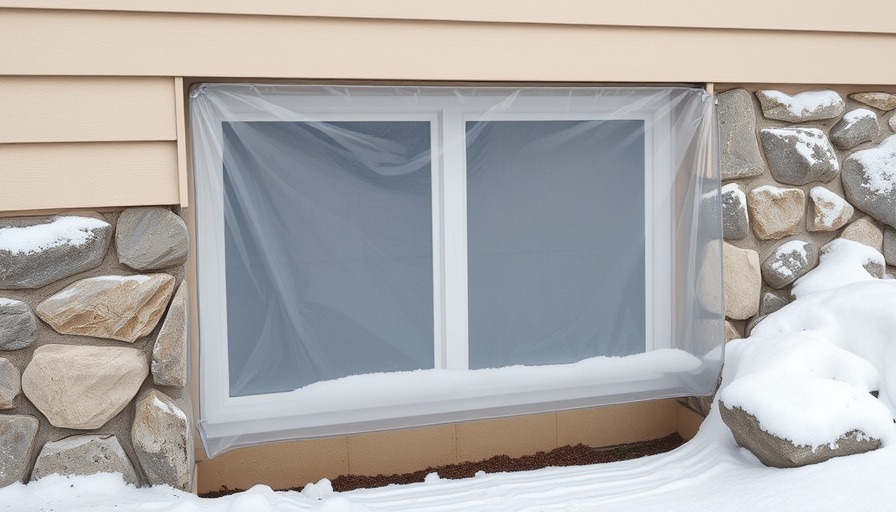
Window well maintenance: snow-covered plastic cover on basement window.

Your Window Wells: Protecting Your Home Year-Round

Window wells may not get much glamour in the world of home maintenance, but they are crucial in protecting your basement from moisture and ensuring safety. As seasons change, so do the needs of your window wells. Let’s explore how you can keep these vital home features in excellent shape all year long!

Winter: Conquering Snow and Ice

Winter can present numerous challenges to your window wells if not handled properly. Heavy snow and ice buildup can lead to structural damage, leaks, and even emergency entry difficulties through egress windows if they freeze shut. Here are some proactive steps you can take:

  • Clear the Snow: Regularly remove snow from around your window wells to prevent melting and refreezing, which can create hazardous conditions and damage your home.
  • Inspect Your Covers: Ensure your window well covers are intact and secure. A damaged cover not only compromises the integrity of your well but may also add extra weight that could become impossible to move in emergencies.
  • Check Drainage: Clear any debris or blockages from your drainage system to ensure it functions properly when melting snow turns to water.

Spring: A Fresh Approach to Moisture

As spring showers bring life back to your garden, they also contribute excess moisture that can challenge your window wells. Cleaning and inspecting your wells will make a significant difference:

  • Debris Removal: Clear fallen leaves and debris from the winter to prevent blockages. A clean well allows for proper drainage and minimizes the risk of flooding.
  • Drainage Testing: Make sure your drainage system is in working order by pouring water into your well and monitoring how effectively it drains.
  • Seal Inspection: Check your window seals for cracks and re-caulk as necessary to prevent leaks from damaging your home.
  • Cover Maintenance: Use this time for spring cleaning—rinse off your window well covers and replace any that show signs of wear.
  • Structural Check: Inspect the integrity of the well-root; if any cracks or rust appear in metal or brick wells, it’s time to fix those leaks.

Summer: Keeping Pests and Heat at Bay

Summer not only brings sunshine but can also attract unwanted pests. Here’s how to keep your window wells effective and manageable:

  • Debris and Pests: Summer storms can bring debris. Ensure to regularly clear any fallen twigs or leaves to prevent pests from nesting.
  • Enhanced Ventilation: Allow for airflow in your basement by checking that your window wells are well ventilated, which can help manage heat and humidity levels.
  • Protect Against UV Damage: Use light-colored covers to reflect sunlight and minimize heat buildup inside your window wells, which can lead to condensation and mold growth.

Fall: Preparing for the Chill

As we transition from sunny days to cooler temperatures, it’s crucial to prepare your window wells for the impending frost:

  • Clean Up Leaves: Before the first frost, thoroughly clean out your window wells to avoid blockages caused by fallen leaves.
  • Cover Inspections: Make sure your covers are secure and ready to protect against snow and ice. Consider adding additional insulation if necessary.
  • Right Maintenance Gear: Invest in quality maintenance tools to keep your wells accessible. This includes having proper shovels, cleaning supplies, and repair kits at hand.

Conclusion: Seasonal Awareness And Care

Winter, spring, summer, and fall all bring their own challenges to your window wells. By staying proactive and engaged with the maintenance of these often-overlooked features, you not only protect your home but also ensure a safer environment for your family. Don't hesitate to take these actionable steps to enhance the lifespan and functionality of your window wells!

Start today by taking a closer look at your window wells! Regular maintenance can save time and prevent costly repairs down the line. Your home deserves this attention, and with these tips, you’ll be well on your way to preserving your property’s integrity.

Home Maintenance

3 Views

0 Comments

Write A Comment

*
*
Related Posts All Posts
02.06.2026

Say Goodbye to Drywall: The Best Alternatives for Your Shed

Update Revolutionizing Shed Construction: Why Drywall is Out For homeowners looking to optimize their shed space, recent discussions in DIY communities have unveiled a surprising revelation: drywall is out! In its place, builders are turning to more innovative materials and techniques that promise both functionality and aesthetic appeal. The video titled "Drywall Is Dead for Sheds—Here's the Alternative" explores this trend, making a strong case for why traditional materials might not always be the best choice for outdoor structures.In the video 'Drywall Is Dead for Sheds—Here’s the Alternative', the discussion dives into the innovative materials available for shed construction, exploring key insights that sparked deeper analysis on our end. Understanding the Shift: What's Behind the Change? Traditional drywall, while a commonplace material in many homes, comes with limitations—especially in sheds that are often exposed to the elements. Moisture and temperature fluctuations can lead to damage, mold, and overall deterioration of drywall. As homeowners seek longevity and durability in their outdoor spaces, alternative materials such as plywood, OSB, and cement board have emerged as superior choices. These materials not only resist water but also provide structural integrity, ensuring that your shed stands the test of time. Benefits of Switching to Alternative Materials Embracing techniques that replace drywall presents various advantages: Durability: Unlike drywall, which can easily succumb to water damage, materials like plywood and OSB offer a robust solution that can better withstand humid environments. Cost-Effectiveness: Alternative materials can often be more affordable in the long run due to their longevity and reduced need for repairs. Customization: Homeowners can easily customize these materials with an array of finishes and treatments, giving sheds a personal touch that drywall cannot match. Design Trends: Embracing Modern Aesthetics As the design landscape evolves, so do the expectations for what a shed can provide. No longer just a utilitarian space for storage, sheds are being integrated into home aesthetics. Homeowners in the age group of 40 to 65, particularly those with an income between $50K to $150K, are investing in garden offices or hobby spaces. Utilizing materials that offer visual appeal alongside practicality, like treated wood or metal siding, fits perfectly with contemporary design trends. These alternatives help shed builders create spaces that are not only functional but also align with modern architectural styles. Practical Insights: Updating Your Shed with Modern Materials For homeowners ready to upgrade their shed with these innovative materials, here are some practical steps you can take: Research Your Options: Understand the pros and cons of each material available, from plywood to more unconventional options like metal panels. Consider Your Environment: If your shed will be in a particularly moist area, prioritize materials that resist water infiltration. DIY or Professional Help: Assess whether this is a project you can tackle on your own or if it’s time to bring in a professional for a more complex build. Unique Value: Why Knowing This Matters Understanding these modern alternatives is crucial not just for enhancing the utility of your shed but also for adding value to your property. With the real estate market continuously evolving, prospective buyers appreciate homes equipped with well-maintained and thoughtfully designed outdoor spaces. Investing in high-quality materials not only prolongs their lifespan but also ensures they complement the overall aesthetic of your home. The Future of Shed Construction: Predictions and Trends As we look ahead, the trend of moving away from drywall towards alternative materials is expected to gain momentum. Many experts believe that sheds will continue to evolve into multi-functional spaces, further integrating technology to create smart and efficient outbuildings. Homeowners will increasingly seek out sustainable options, affirming the relevance of eco-friendly materials in construction. In conclusion, the shift away from drywall is not merely a trend but a thoughtful response to the need for durability, aesthetic appeal, and practical use. If you are considering a shed renovation or new construction, exploring alternatives like plywood or cement board could make all the difference in enhancing your space. To dive deeper into specific building techniques or get your hands on free tote storage build plans, visit the resources linked in the video discussion.

01.16.2026

Transform Your Workspace: Innovative Ceiling Ideas for Sheds and Garages

Update Unconventional Ceiling Ideas for Your Shed, Workshop, or Garage When it comes to DIY projects, especially in spaces like sheds, workshops, or garages, the ceiling often gets overlooked. Homeowners between 40 and 65 might be looking for solutions to enhance these workspaces and create a stylish yet functional environment. With innovative techniques and a little creativity, you can create a ceiling that not only serves its purpose but also adds aesthetic value to your space.In The Easiest Shed, Workshop, or Garage Ceiling You’ve Never Tried, the discussion dives into innovative ceiling design options for your workspaces, exploring key insights that sparked deeper analysis on our end. Exploring the Aesthetics of Ceiling Design Ceiling design is not just about utility; it’s also about transforming a mundane space into something inviting. Installing wooden beams or panels can provide a rustic charm, while a smooth drywall ceiling offers a more contemporary feel. Regardless of your choice, the ceiling is an opportunity to showcase your design style, drawing the eye upward and adding depth to the room. Cost-Effective Ceiling Solutions for DIY Enthusiasts For budget-conscious homeowners, there are numerous cost-effective solutions that don’t skimp on style. Using reclaimed wood can provide a unique touch that is both sustainable and stylish. Not only does it help maintain budget, but it also allows for customization. Paint can also go a long way—consider a bright color or a fun pattern to make the ceiling pop. The DIY route not only saves on labor costs but offers a rewarding experience. Future Trends in Shed and Garage Design As more homeowners prioritize their outdoor and workshop spaces, the trend towards integrating smart home technology and sustainable materials is on the rise. Smart lighting systems that can adapt to natural light levels and motion sensors are becoming increasingly popular, offering both convenience and efficiency. Moreover, incorporating energy-efficient materials into construction will not only enhance your space but is also better for the environment. Understanding the Practical Benefits of an Upgraded Ceiling Upgrading your shed or garage ceiling has practical benefits beyond aesthetics. Proper insulation can help regulate temperature, making these spaces more comfortable throughout the year. Additionally, a well-designed ceiling can improve the acoustics of the area, important if your shed doubles as a workshop for activities that may involve noise. Understanding these benefits can motivate homeowners to take on this often negelected part of their home. Actionable Takeaways for Homeowners For those ready to roll up their sleeves, consider exploring DIY resources available online. Platforms like YouTube and DIY blogs are treasure troves of information, ranging from step-by-step guides to material recommendations. Homeowners can also connect with local DIY communities for support, inspiration, and shared experiences. Harnessing these resources empowers you to tackle your projects with confidence and creativity. In The Easiest Shed, Workshop, or Garage Ceiling You’ve Never Tried, the discussion dives into innovative ceiling design options for your workspaces, exploring key insights that sparked deeper analysis on our end. So, if you’ve been looking for ways to enhance your shed or garage, consider embracing these ideas and take action today. Not only will it elevate your workspace, but it will also provide a personal touch that reflects your unique style.

12.21.2025

Is Upgrading Shed Ceiling Insulation from R-10 to R-25 Worth the Investment?

Update Investing in Shed Insulation: Is It Worth It? For many homeowners, upgrading insulation in various parts of their home is an essential step to improving energy efficiency and reducing heating costs. One lesser-considered area is the shed, often neglected in terms of insulation upgrades. A recent analysis highlighted in the video Unbelievable Shed Ceiling Insulation Upgrade! (Before and After Heating Costs) raises an important question: Is upgrading your shed ceiling insulation from R-10 to R-25 worth the financial investment?In Unbelievable Shed Ceiling Insulation Upgrade! (Before and After Heating Costs), the discussion dives into the impact of insulation on heating costs, prompting us to analyze the financial implications of this home improvement. The Real Costs Behind Heating Your Shed According to the video’s detailed breakdown, homeowners with R-10 insulation face significantly higher heating costs compared to those with R-25. The video presents real-world energy usage data, showing daily kilowatt-hour consumption before and after the upgrade. For homeowners in colder climates, proper insulation isn't just a convenience—it's a necessity for keeping costs manageable. Understanding R-Values and Energy Efficiency The R-value measures an insulation material's resistance to heat flow, with higher values indicating better insulating power. In the video, the transition from R-10 to R-25 exemplifies a significant leap in thermal resistance. This transition can lead to more stable indoor temperatures and reduced reliance on heating systems, saving energy—and subsequently, money in the long run. For homeowners making the leap, understanding R-values is crucial to maximize their investment. Real-World Savings: Crunching the Numbers In terms of tangible benefits, the video details how long it takes to recoup the investment in newer insulation materials. The examination of daily kilowatt-hour usage shows a clear trend: less energy spent translates into more dollars saved. Homeowners can assess their own heating costs against the potential savings from an insulation upgrade, creating a clear financial picture that can aid in decision-making. Choosing the Right Materials: The RockWool Advantage The video also features RockWool, a popular insulation material known for its acoustic and thermal insulation properties. Beyond the superior R-value, RockWool offers additional benefits, such as resistance to moisture and fire, making it a solid choice for shed insulation. Choosing the right material is as important as the upgrade itself, and RockWool presents a compelling option for homeowners focused on efficiency. DIY Projects: Taking Charge of Your Home Improvements For those who enjoy DIY projects, insulating a shed ceiling can be a fulfilling task. The provided links for complete shed DIY build plans empower homeowners to take charge of their renovations, potentially saving substantial labor costs. With a mix of guidance and effort, this project can transform a neglected space into a usable room that contributes to property value. Conclusion: Take Action and Save In conclusion, if you’re considering an upgrade to your shed's insulation, the evidence from the discussed video is compelling. By investing in R-25 insulation, not only can homeowners expect lower energy bills, but they can also enhance the usability and value of their sheds. For those interested in undertaking such an upgrade, embracing DIY projects is an excellent avenue to maximize savings and satisfaction.

Terms of Service

Privacy Policy

Core Modal Title

Sorry, no results found

You Might Find These Articles Interesting

T
Please Check Your Email
We Will Be Following Up Shortly
*
*
*