
Add Row
Add Element
cropper
update
Raleigh Better Home Living
update
Add Element
  • Home
  • Categories
    • DIY Projects
    • Smart Home Tech
    • Home Maintenance
    • Interior Design
    • Lawn and Garden
    • Design Trends
  • Adding Value to Your Home
  • Feature Local Businesses
July 23.2025
3 Minutes Read

Discover the Best Window Well Covers for Home Safety and Style

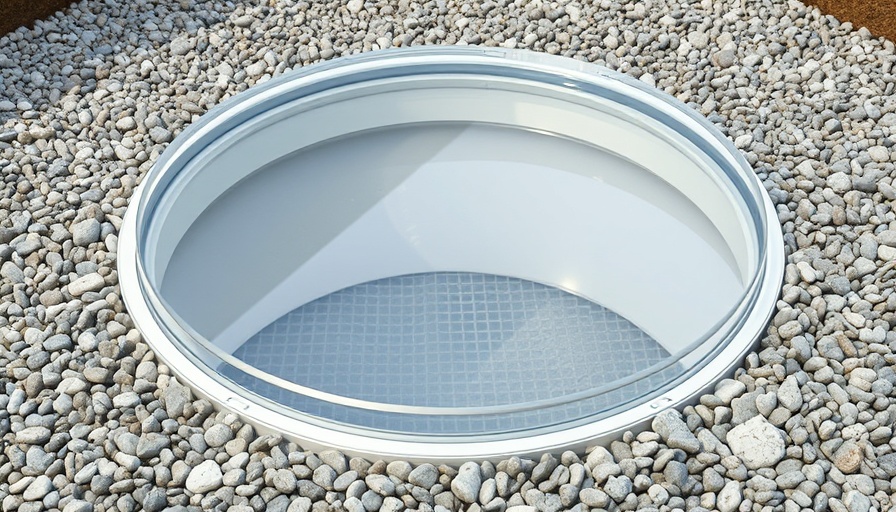
Clear acrylic window well cover with gravel surrounding

Why Window Well Covers Are Essential for Homeowners

When it comes to maintaining your home, window well covers are often overlooked, but they play a vital role in protecting your property and enhancing safety. Not only do they safeguard your basement windows from rain, snow, leaves, and critters, but they also provide a protective barrier for pets and children. Homeowners need to consider investing in quality covers to ensure their homes remain functional and safe.

Popular Types of Window Well Covers

As you venture into the world of window well covers, the various types available can be a bit overwhelming. Each type serves its purpose while offering distinctive benefits:

  • Sloped Covers: Made from durable, see-through polycarbonate, sloped covers allow natural light in while keeping debris at bay. Their design also directs water away from your foundation, preventing flooding.
  • Atrium Dome Covers: Perfect for homes with crank-out windows, atrium dome covers not only protect window openings but also allow full access in case of emergency. They are built to last with a clear panel for visibility.
  • Super Slant Covers: Combining ventilation with strength, these covers are equipped with a welded frame and mesh sides. They provide easy maintenance access while ensuring safety during emergencies.
  • Metal Grate Covers: Known for safety and airflow, these covers are made of steel or aluminum and can be custom-fit to your well. They come with powder coating options for style and longevity.
  • Flat Covers: If you're aiming for a minimalist appearance, flat covers offer a sturdy yet subtle option that blocks unwanted elements while allowing light to enter.
  • Bubble Covers: Ideal for above-ground basement windows, bubble covers ensure rain and debris do not accumulate, all while being nearly indestructible.

Choosing the Right Window Well Cover

As you select a window well cover, pay attention to some key factors to get the best fit for your home:

Durability and Materials

It's essential to consider the materials of the cover. Polycarbonate is a top choice for its strength and weather resistance. If you have concerns about rust, look for covers with aluminum or powder-coated options that won’t corrode over time.

Weight Support

Check the weight capacity of your cover. Many high-quality options can support over 400 lbs, ensuring that they are sturdy enough for accidental landings by pets or children. You don't want to invest in covers that will give way after a season.

Weatherproofing

With most regions facing harsh weather, having a strong, weatherproof window well cover is a must. Seek out models designed to withstand severe rain and snow yet are still easy to remove when the seasons change.

The Environmental Impact and Importance of Functionality

Choosing the right window well cover not only enhances your home's functionality but also reflects a commitment to sustainable practices. By selecting strong, durable materials that last longer, you're reducing waste and minimizing the need for frequent replacements.

Common Misconceptions About Window Well Covers

Many homeowners believe that window well covers are merely decorative or only necessary for certain regions. In reality, these covers are critical for homes in any climate, offering protection and safety regardless of location. Investing in good quality covers which are installed correctly can save on long-term maintenance costs and prevent potential safety hazards.

Taking Action: A Call to Consider Your Home's Needs

Now that you’re aware of the importance of window well covers, take a moment to assess the wells around your home. Consider upgrading to a more effective model, as this simple change can have significant benefits in both functionality and peace of mind. If you’re ready to shop for high-quality window well covers, visit a trusted provider like Window Well Experts to find the perfect fit for your home!

Home Maintenance

3 Views

0 Comments

Write A Comment

*
*
Related Posts All Posts
12.21.2025

Is Upgrading Shed Ceiling Insulation from R-10 to R-25 Worth the Investment?

Update Investing in Shed Insulation: Is It Worth It? For many homeowners, upgrading insulation in various parts of their home is an essential step to improving energy efficiency and reducing heating costs. One lesser-considered area is the shed, often neglected in terms of insulation upgrades. A recent analysis highlighted in the video Unbelievable Shed Ceiling Insulation Upgrade! (Before and After Heating Costs) raises an important question: Is upgrading your shed ceiling insulation from R-10 to R-25 worth the financial investment?In Unbelievable Shed Ceiling Insulation Upgrade! (Before and After Heating Costs), the discussion dives into the impact of insulation on heating costs, prompting us to analyze the financial implications of this home improvement. The Real Costs Behind Heating Your Shed According to the video’s detailed breakdown, homeowners with R-10 insulation face significantly higher heating costs compared to those with R-25. The video presents real-world energy usage data, showing daily kilowatt-hour consumption before and after the upgrade. For homeowners in colder climates, proper insulation isn't just a convenience—it's a necessity for keeping costs manageable. Understanding R-Values and Energy Efficiency The R-value measures an insulation material's resistance to heat flow, with higher values indicating better insulating power. In the video, the transition from R-10 to R-25 exemplifies a significant leap in thermal resistance. This transition can lead to more stable indoor temperatures and reduced reliance on heating systems, saving energy—and subsequently, money in the long run. For homeowners making the leap, understanding R-values is crucial to maximize their investment. Real-World Savings: Crunching the Numbers In terms of tangible benefits, the video details how long it takes to recoup the investment in newer insulation materials. The examination of daily kilowatt-hour usage shows a clear trend: less energy spent translates into more dollars saved. Homeowners can assess their own heating costs against the potential savings from an insulation upgrade, creating a clear financial picture that can aid in decision-making. Choosing the Right Materials: The RockWool Advantage The video also features RockWool, a popular insulation material known for its acoustic and thermal insulation properties. Beyond the superior R-value, RockWool offers additional benefits, such as resistance to moisture and fire, making it a solid choice for shed insulation. Choosing the right material is as important as the upgrade itself, and RockWool presents a compelling option for homeowners focused on efficiency. DIY Projects: Taking Charge of Your Home Improvements For those who enjoy DIY projects, insulating a shed ceiling can be a fulfilling task. The provided links for complete shed DIY build plans empower homeowners to take charge of their renovations, potentially saving substantial labor costs. With a mix of guidance and effort, this project can transform a neglected space into a usable room that contributes to property value. Conclusion: Take Action and Save In conclusion, if you’re considering an upgrade to your shed's insulation, the evidence from the discussed video is compelling. By investing in R-25 insulation, not only can homeowners expect lower energy bills, but they can also enhance the usability and value of their sheds. For those interested in undertaking such an upgrade, embracing DIY projects is an excellent avenue to maximize savings and satisfaction.

12.11.2025

Why My $15,000 Solar System Can't Heat My Tiny Shed: Lessons for Homeowners

Update Understanding the Complexity of Solar Heating Solutions In a recent video titled "HUGE Mistake: Why My $15,000 Solar System CAN'T Heat My Tiny Shed," DIY expert Scott dives into the challenges faced by homeowners attempting to heat off-grid spaces using solar technology. His ambitious project of transforming a storage shed into a comfortable office space highlights a significant but often overlooked issue: solar systems, even those equipped with high capabilities, might not deliver the expected heating efficiency.In 'HUGE Mistake: Why My $15,000 Solar System CAN'T Heat My Tiny Shed,' Scott opens a discussion on the challenges of using solar energy for heating, prompting us to dive deeper into the complexities of this topic. Why a Solar System Isn't Enough for Heating Scott's testing reveals that despite having a robust 6 kW solar system and significant insulation efforts, his setup fell short during winter months. The primary takeaway is that while solar technology can be a game changer for energy consumption, it has its limitations in extreme climates. His findings indicate that relying solely on solar energy for heating in a shed can be risky, especially during prolonged cold spells when energy needs spike and sunlight availability wanes. The Cost of Heating with Solar Power Heating the 12x16 shed with a 1500-watt electric radiator required 17.6 kilowatt-hours over a 24-hour period. This translates to a daily cost of approximately $3.17 when connected to the grid, a manageable expense for many homeowners. However, for those considering off-grid systems, Scott's experience outlines a cautionary tale where energy deficits can easily emerge. On a day when the solar panels collected only 10.9 kWh, heating the shed became a daunting challenge. Emotional and Human Interest Angles For homeowners aged 40 to 65 contemplating DIY projects, Scott's experience resonates deeply. Many strive for energy independence while investing significant amounts into their home infrastructure. His project serves as a reminder that the road to energy efficiency and sustainability is fraught with unexpected challenges. The emotional investment in such projects often clashes with the realities of technology limitations, creating a landscape ripe for disappointment. Proven Strategies for Successful Off-Grid Heating Those interested in achieving reliable heating in off-grid scenarios must consider backup heating solutions. In Scott’s findings, he suggests that for comprehensive off-grid heating, incorporating additional sources like propane or biomass heating systems could complement solar energy. This combination ensures consistent warmth even during months of limited sunlight. Navigating Misconceptions About Solar Power and Heating A prevalent misconception is that modern solar systems can seamlessly replace traditional heating solutions. Scott's analysis gives a critical view that challenges this idea, emphasizing that while solar panels can generate electricity, their effectiveness as a sole heating source can falter under cold weather conditions. Homeowners should be prepared to adjust their expectations and explore hybrid solutions. Actionable Insights for Homeowners and DIY Enthusiasts The takeaway message from Scott's journey is clear: understand your heating needs and prepare adequately for off-grid living. Homeowners can benefit from taking proactive steps, such as researching comprehensive solar heating solutions or planning for supplementary heating systems. Further, engaging with local experts and utilizing resources like shed build plans can assist in navigating the complexities of DIY projects. Ultimately, while solar energy presents an exciting frontier for homeowners, the dual necessity of planning and realistic expectations cannot be overlooked. Ensuring comfort during colder months requires weighing the benefits against the limitations of solar technology. If you're embarking on your own shed transformation or have questions about solar setups, Scott's informative journey is a great starting point. Explore your options, stay informed about the latest in solar technology, and keep an eye on your heating needs to optimize your off-grid living experience.

12.09.2025

Stop Wasting Money on Shed Insulation: Essential Insights for Homeowners

Update Why Choosing the Right Shed Insulation is Crucial For many homeowners, a shed serves as more than just a storage space; it’s a valuable extension of their home. However, the comfort and utility of a shed can be drastically affected by the insulation choice. Proper insulation helps regulate temperature, protect tools and equipment, and even enhance the overall usability of the space.In 'STOP Wasting Money on Shed Insulation', the video dives into the importance of selecting the right insulation options for your shed, which has inspired us to analyze these insights further. Understanding Common Insulation Types Many people default to fiberglass batts when insulating their sheds, believing it's the most cost-effective and simple solution. However, this approach can lead to missed opportunities where efficiency is concerned. Alternatives such as foam board or spray foam often provide better thermal performance and moisture resistance. Learning about the pros and cons of each type can save homeowners money in the long run and ensure the shed meets their specific needs. Performance Over Price: A Cost-Benefit Analysis While it might be tempting to choose insulation based solely on upfront cost, this decision can have lasting financial implications. Options like foam insulation may present a steeper initial investment, but they often result in lower heating and cooling costs over time. Homeowners must weigh the long-term benefits of a slightly higher upfront cost against potential energy savings. Trends in Shed Insulation: What’s New? As DIY projects gain popularity, it's essential to stay informed about trends in insulation materials and methods. Recent innovations in insulation technology, such as reflective radiant barriers, are gaining traction among savvy homeowners. These materials not only reflect heat away but also significantly lower energy costs, further enhancing the value of your shed. Future of Insulation: Sustainability Matters In today’s environmentally-conscious world, the demand for sustainable building materials is on the rise. Companies are innovating to create eco-friendly insulation options made from recycled materials. As homeowners become more aware of their carbon footprint, opting for green insulation can provide peace of mind while adding attractive appeal to the shed's overall value. Taking the Next Step: What Should You Do? Now that you know that not all insulation is created equal, it’s time to evaluate your shed insulation needs. Consider bringing in a professional to assess your space and recommend the best insulation for your specific climate and usage. They can provide insight into both performance and cost-effectiveness, ensuring your investment yields the right returns. Ultimately, making an informed choice about your shed’s insulation can enhance its functionality, improve energy efficiency, and increase your property’s value. Don't let misinformation lead to unnecessary expenses.

Terms of Service

Privacy Policy

Core Modal Title

Sorry, no results found

You Might Find These Articles Interesting

T
Please Check Your Email
We Will Be Following Up Shortly
*
*
*