

Add Row
Add Element
cropper
update
Raleigh Better Home Living
update
Add Element
  • Home
  • Categories
    • DIY Projects
    • Smart Home Tech
    • Home Maintenance
    • Interior Design
    • Lawn and Garden
    • Design Trends
  • Adding Value to Your Home
  • Feature Local Businesses
October 30.2025
3 Minutes Read

Avoid These Costly Mistakes When Selling Your Home: 10 Fixes You Can Skip

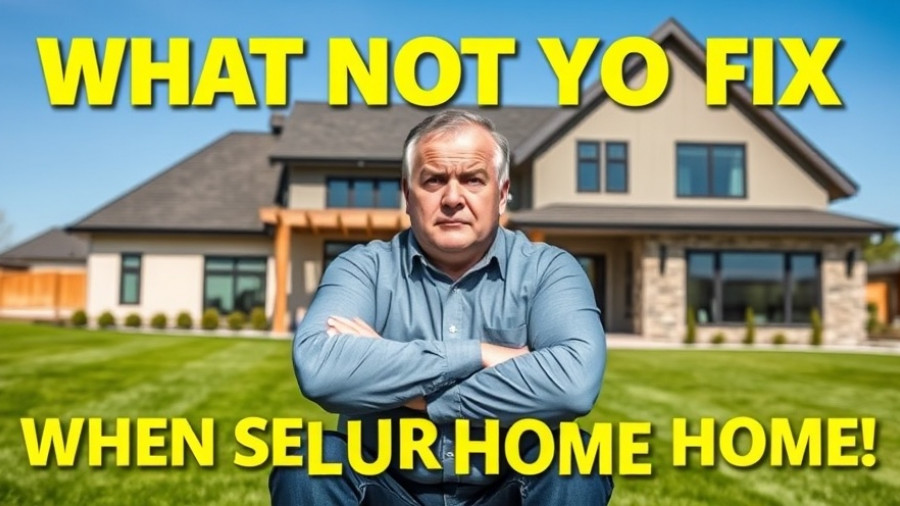
Concerned man in front of house with 'What Not to Fix When Selling'.

The Importance of Not Over-Improving Your Home

When contemplating selling your home, it is tempting to embark on extensive renovations to increase its market value. However, making unnecessary enhancements can often lead to wasted time, money, and effort. Instead, focusing on key areas that actually attract buyers can yield a significantly greater return on investment.

In '10 Things NOT to Fix When Selling Your Home,' we explore key insights that can help homeowners avoid unnecessary expenses while preparing for a sale.

Understanding Buyer Preferences

Over the years in the real estate industry, it has become clear that many buyers have specific preferences that do not always align with seller renovations. Major renovations, particularly in kitchens and bathrooms, might seem appealing but can yield less than 70% returns on investment. Often, buyers are inclined to customize these spaces according to their personal tastes soon after the purchase. Simple updates like painting cabinets or replacing hardware can frequently achieve a more favorable outcome.

Prioritizing Necessity over Aesthetics

When preparing your home for sale, not all repairs hold equal value. Small cracks in driveways, for example, are expected wear and tear that buyers usually overlook. Investing heavily in cosmetic improvements without addressing fundamental matters may not influence a buyer's decision. As such, the focus should be on maintenance rather than overhauls. By power washing surfaces and removing weeds, sellers can create a polished appearance without incurring significant costs.

Marketing Without the Heavy Lifting

One of the unintended consequences of doing too much can be the pricing it imposes on a home. Selling a well-maintained property should focus on its baseline charm rather than competitors' heavy renovations. A well-kept home, devoid of significant issues, allows buyers to envision potential changes according to their desires without feeling pressured from overdone renovations.

Harnessing Curb Appeal Without Extensive Additions

Curb appeal is crucial; however, a new front door or elaborate landscaping does not always guarantee a desirable sale. Simple tasks like cleaning the porch, updating lighting, or adding inexpensive mulch can do wonders for first impressions. Remember, buyers are often seeking a home they can personalize themselves, not a polished shell devoid of character.

Choose Strategic Upgrades: Light and Airy

Lighting is an influential factor in home sales. Heavy drapes can stifle natural sunlight and the overall atmosphere of a home. Removing old window coverings can make spaces appear larger and more inviting, appealing directly to buyers' desire for warmth and light. Similarly, a fresh coat of neutral paint can provide a blank canvas for potential owners.

Professional Guidance is Key

Perhaps most crucial in this process is bringing a real estate agent into the equation early on. Their expertise can guide homeowners in determining which improvements will yield substantive returns and which areas to leave well enough alone. Consultations can provide a clearer understanding of local market trends and buyer expectations.

Simple Preparations Enhance Market Appeal

Lastly, before listing, decluttering can significantly enhance buyer appeal. By packing away personal items and removing excess furniture, sellers can create a cleaner, more spacious feel. More often than not, a tidy space resonates better with buyers, allowing them to imagine their own belongings populating the space.

Ultimately, it's about optimizing existing features instead of chasing after fleeting design trends. Homeowners can put themselves in a far better negotiating position by grasping what truly matters in enhancing their home's value. Should you find yourself unsure about how best to prepare your home for market, consider reaching out to a knowledgeable real estate professional.

In conclusion, careful planning allows sellers to position their homes favorably without incurring needless expenses. Understanding buyer psychology and focusing on strategic updates over major renovations can pave the way to a successful sale.

Adding Value to Your Home

2 Views

0 Comments

Write A Comment

*
*
Related Posts All Posts
12.03.2025

Avoid Costly Mistakes: Home Upgrades That Homeowners Regret

Update Home Upgrades That Can Cost You Dearly When it comes to home renovations, what seems enticing in theory often becomes a burden in reality. For homeowners aged 35-55 who are navigating the waters of upgrades, it's crucial to avoid expensive lessons that can negatively impact both finances and resale value. Today, we delve into common home upgrades that many homeowners regret and provide advice on how to proceed wisely.In 'Home Upgrades People REGRET After Moving In,' the discussion dives into common renovation regrets, offering insights that prompted us to further analyze this topic. The Outdoor Kitchen Dilemma: A Seasonal Investment Outdoor kitchens are frequently touted as a dream feature for any entertaining enthusiast. However, for homeowners living in regions with harsh winters, this investment can leave them with an unused space for most of the year. While the allure of high-end grills and integrated appliances sounds appealing, the reality is that many of these kitchens sit idle, gathering dust. Moreover, the installation of plumbing, electrical appliances, and countertops comes with a hefty price tag that often doesn't reflect in resale value. It's advised to create a cozy patio space featuring a built-in grill instead, making the space functional without sinking too much money into a fleeting trend. Pools: More Trouble Than They're Worth? Diving into the world of pools often comes with regret. The hefty investment of pool installation and ongoing maintenance calls into question its practicality. If not used regularly, pools can become more of a liability than an asset, often deterring potential buyers, especially families with young children. Similar to the story of a past homeowner who spent $75,000 on a pool that did little to enhance their lifestyle or property value, prospective pool owners should fully assess if aquatic reality meets their aquatic dreams. Children’s Playground Equipment: A Short-lived Investment For parents with young kids, installing playground equipment seems like a fun and fulfilling choice. However, children outgrow these toys faster than expected, making them an eyesore when it comes time to sell. The wooden structures might have aged, presenting safety concerns, while potential buyers may not be keen on taking on unnecessary renovations before moving into their new homes. Landscaping: When Size Does Not Matter Attempting to impress with elaborate landscaping schemes can often backfire. Prospective buyers usually prefer low-maintenance exteriors that won’t require extensive upkeep. Complicated landscaping designs can alienate buyers who do not want the burden of managing a high-maintenance yard. Products like concrete-filled backyards turned out to be unappealing to many buyers. Instead, clean, simple designs featuring sod, mulch, and a few strategically planted trees will always attract interest. High-End Appliances: Not All That They Seem Investing in high-end kitchen appliances can feel like a step towards luxury, but it’s essential to consider who your potential buyers will be. If your home’s value does not justify it, splurging on a $10,000 stove may not bring a return on investment. As most buyers do not appreciate or understand the worth of premium brands, standard appliances can meet the functional needs without the hefty price tag. Converting Spaces: A Loss for Resale Remodeling spaces can lead to regrettable losses, particularly when it comes to bedroom conversions. While converting a bedroom into a home gym or office may suit current needs, it significantly reduces the home’s resale value. Future buyers typically prefer having that additional bedroom or functional space. When contemplating conversions, it’s vital to question whether that space sustains lasting value. Embracing Timelessness in Design Trendy design choices often fade quickly. Current popular features like bold backsplashes or open shelving may seem unique today, but they can leave a dated impression tomorrow. Opting for classic, neutral designs allows for personal touches while granting the freedom to update with trends in minor ways without overhauling the entire aesthetics. Functionality should always take precedence over fleeting fashion. Investing Wisely: Prioritize Structural Integrity When upgrading, prioritize function over aesthetics. Major systems like roofing, plumbing, and HVAC come first—they showcase the home’s potential value. Homeowners should also allow time to settle into their spaces before making significant renovations; understanding how a family interacts with their house can lead to more thoughtful decisions. Conclusion: Invest Smartly for Longevity As a homeowner, it’s essential to avoid learning these lessons the hard way. While it’s tempting to rush into upgrades, especially those promoted by societal trends, seeking professional advice can help navigate these decisions effectively. Invest in upgrades that promise longevity and functionality over flashy trends. In doing so, not only will you enhance your living experience, but you'll also bolster your home’s future resale value. Share your home upgrade experiences in the comments below!

11.27.2025

Essential Questions Homeowners Must Ask When Hiring a Realtor

Update Why Selecting the Right Realtor Matters Choosing the right realtor can significantly influence the outcome of your home sale. Unfortunately, many sellers fall into the trap of hiring agents without asking the critical questions that determine not only their success but their financial well-being. As one industry expert highlights, neglecting this process can turn a simple sale into a stressful ordeal, with tangible costs in wasted money and time.In 'Do NOT Hire a Realtor Without Asking These 5 Questions', the discussion dives into crucial inquiries to guide sellers in selecting the right real estate agent, prompting us to explore the implications in our detailed analysis. Five Essential Questions to Ask Your Realtor To streamline your home-selling process, start by asking five essential questions that can help filter out subpar agents and lead you to a more fruitful partnership. 1. How Will You Price My Home? Pricing is often where most sellers begin, yet it’s crucial to start the discussion with an understanding of pricing strategy rather than just a singular figure. Many agents may quote inflated prices simply to win a listing, which can lead to a stagnant property on the market. A seasoned agent will provide a comprehensive market analysis and explain how they reached the suggested price. This involves evaluating competing homes and understanding buyer behavior, showing that their recommendation is grounded in research, not just optimism. 2. What's Your Plan to Prepare My Home for Sale? Preparation can make or break a sale. The question here is not about major renovations but rather about initial presentation. An effective agent will discuss simple steps like decluttering, cleaning, and minor repairs that can enhance the property’s appeal. Many listings fail because agents overlook basic preparations that entice buyers. A quality agent knows how proper staging and presentation can dramatically influence a sale and will present a clear plan to highlight your home’s strengths. 3. How Will You Generate Demand for My Home? Demand generation goes beyond standard procedures like listing a property online. It involves marketing strategies designed to attract the right buyers, especially in the initial days of a listing when interest is highest. Agents should articulate their marketing strategies clearly, detailing how they plan to maximize exposure and engage with potential buyers. If they only talk about basic exposure, that’s a red flag. 4. What Does Communication Look Like During the Listing? Communication breakdown is frequently the root cause of seller dissatisfaction. Before hiring an agent, inquire about their communication habits after listing your property. Will you receive regular updates and feedback? Are they available for calls or messages, and if so, during what hours? Expect great agents to proactively manage communication to keep you informed throughout the process. 5. What’s Your Negotiation Strategy? Negotiation is the heart of real estate transactions, where real dollars are made or lost. A true leader in this realm will provide concrete examples of their previous negotiation success and have a well-defined strategy. An agent that cannot showcase solid negotiation skills should not be trusted to negotiate on your behalf. Look for an agent who can effectively manage discussions while maintaining a calm and professional demeanor throughout the transaction. Taking the Next Step in Your Selling Journey By asking these pivotal questions, sellers can navigate the competitive landscape of real estate more effectively, ensuring they hire agents who can substantiate their claims with proof over promises. The risk of hiring the wrong agent simply isn't worth it, as it could result in unnecessary costs and stress throughout the selling process. Thinking of selling your home? Reach out for personalized advice or to be connected with a trusted agent in your area. Don’t go it alone—expert guidance can make all the difference in your home selling journey.

11.20.2025

First Impressions Matter: What Buyers Notice First About Your House

Update First Impressions Matter When selling your home, the saying "you never get a second chance to make a first impression" couldn't be more accurate. Buyers pass judgment the instant they pull up to the curb—an emotional reaction that can affect their decisions before they've even entered. After two decades in real estate, I've learned what prompts buyers to feel skeptical or enthusiastic as they approach a property. Since affordability is declining and buyer expectations are surging, the importance of a well-maintained exterior cannot be overstated.In 'What Buyers Notice First About Your House,' we explore valuable insights about curb appeal and first impressions that every homeowner should consider. Addressing Curb Appeal The exterior of your home sets the initial tone for the entire showing. A cracked driveway, overgrown plants, or fading paint can leave potential buyers feeling uninspired, often leading them to walk away—literal curb appeal is more than just an aesthetic choice. Simple updates can refresh the facade, such as trimming back unkempt shrubs and weeds or tidying debris from the yard. It shows pride of ownership and invites buyers to imagine a walk inside. While renovations might seem overwhelming, a real estate agent can provide tailored advice on what buyers are really looking for, allowing you to prioritize spending wisely. Watch for Signs of Wear Buyers scrutinize elements like the roof and structural integrity from the outside. Things like curled shingles or visible patchwork scream deferred maintenance, and prices can be mentally calculated before buyers even enter your home. If your roof is showing signs of age, consider a roof certification to ease buyer anxieties. Discovering flaws in something as fundamental as the roof could derail negotiations, making preemptive measures crucial. On your entryway, neglected details such as a dirty front door, broken hardware, or even unpleasant odors can further set the wrong tone. Cleanliness and Maintenance Reflect Value As an agent, when I walk through homes, I advise sellers to maintain a clean and tidy home. A final touch-up cleaning is vital before showing the property. Buyers will examine high-traffic areas, so areas where they envision their furniture should be free of distractions like dirt, clutter, or lasting odors. Be aware as potential buyers will assess everything, including hidden spots under sinks or in furnace closets. Prospective buyers tend to allow minor cosmetic issues to slide, but structural concerns can tank an otherwise good impression. Key Systems Can Make or Break Opportunities The home's mechanical systems can be deciding factors in a sale. Buyers typically want reassurance about systems such as HVAC, plumbing, or electric panels. Make sure they are in good working order, as older equipment may inspire walkaways. Moreover, potential buyers often carry the burden of preconceived expenses for repairs they anticipate needing soon after moving in. Rather than focusing your renovations predominantly on cosmetic enhancements, consider having professionally serviced critical items like HVAC units and plumbing systems. This transparency reassures buyers that your home will not become a financial burden immediately after closing. Know What to Invest in—and What to Skip Understanding which renovations provide the best return on investment is paramount when preparing to sell. Consider small updates like paint touch-ups, basic landscaping, and systems certifications rather than full remodels. Many agents suggest focusing on maintenance over luxury upgrades to cater to a market that demands move-in-ready homes. Buyers today are searching not just for style, but for assurance that they won't incur expenses before they even unpack. Also, remember: if you're considering selling, it’s advised to consult a realtor who knows the market intimately—this ensures your updates resonate with prospective buyers—and avoid wasting time and resources. The Bottom Line As you prepare to launch your home onto the market, focus on removing the potential for doubt. Cleanliness, simple upkeep, and attention to exterior details can elevate your property in a competitive landscape. Ultimately, homes that demonstrate care sell faster and foster better offers than those overlooked by their owners. For those looking for a free home-selling checklist or personalized improvement advice, my team and I are here to guide you. Don’t hesitate to reach out!

Terms of Service

Privacy Policy

Core Modal Title

Sorry, no results found

You Might Find These Articles Interesting

T
Please Check Your Email
We Will Be Following Up Shortly
*
*
*