Add Row
Add Element
cropper
update
Green Street Consulting LLC
update
Add Element
  • Home
  • Categories
    • Social Media Marketing
    • Search Engine Optimization
    • Reputation Management
    • Video Marketing
    • Pay Per Click
    • Blogs
  • Marketing Strategies
  • All Posts
  • Social Media Marketing
  • Search Engine Optimization
  • Reputation Management
  • Video Marketing
  • Pay Per Click
  • Blogs
  • Marketing Strategies
June 19.2025
1 Minute Read

Small Business Branding Hacks for Instant Impact

Did you know that businesses with strong brand identities see over 20% more customer loyalty and faster business growth than their competitors? In today’s hyper-competitive market, small business branding isn’t just a luxury—it’s a necessity for survival and success. Whether you’re launching your startup or looking to refresh your current image, these instant branding hacks will help you transform your business brand with minimal effort and maximum results. Dive in to discover unconventional, proven strategies used by thriving small businesses to make a big impact without breaking the bank.

Start Your Small Business Branding Journey: Surprising Facts You Need to Know

Most small business owners assume that only multinational corporations need branding, but the truth is starkly different. A recent survey revealed that nearly 90% of customers say they would pay more for products from a brand they trust—a powerful stat for small businesses aiming for growth. Creating a strong brand is more than just picking a catchy name or eye-popping logo; it’s about building an emotional connection with your target audience through consistent messaging, visuals, and values. From setting up a unique brand identity to engaging on social media platforms, small business branding can help widen your reach and solidify customer loyalty quickly.

Surprisingly, some of the most successful branding ideas for small businesses come from testing and refining simple concepts—such as a memorable brand mark , a customer-centric social media presence, or personalized customer experiences along the entire journey. By putting strategic thought into your business branding , you ensure every touchpoint, whether physical or digital, helps build a consistent brand that resonates and endures. The facts are clear: impactful branding is the gateway to sustained business growth and competitive edge.

Small Business Branding - Diverse entrepreneurs reviewing branding materials, lively mood boards, and logo designs in a modern workspace

Unlocking Small Business Branding Success: What You Will Gain

  • Actionable small business branding strategies for immediate implementation
  • How to clarify your brand identity and connect with your target audience
  • Essential business branding tools and resources
  • Expert branding advice to build a strong brand presence

Small Business Owner Brand Analytics - Confident business owner reviewing brand analytics dashboard and branding posters

Top 15 Small Business Branding Hacks for Rapid Growth

1. Define a Memorable Brand Identity for Your Small Business

  • Articulate your core message
  • Create a standout visual brand
  • Utilize branding elements like logos, color palette, and typography

Your brand identity serves as the face and personality of your business brand. Clearly expressing your business’s core message, mission, and values will create a foundation for all other branding strategies . Whether you work with a design service or use DIY tools, developing a visual brand that captures your unique positioning helps attract potential customers and builds trust. Consider your logo design, color palette, and chosen typography as visual signatures that should be reflected consistently across marketing materials.

A memorable visual identity doesn’t have to be expensive or complex. Use free or affordable logo design platforms to capture your visual essence and apply these branding elements to your website, social media, and packaging. The more recognizable and consistent your small business brand looks, the more likely customers are to remember and choose you over competitors.

2. Establish Your Business Brand Voice and Story

  • Share your origin story to humanize your small business brand
  • Align your messaging with business branding strategies

The most distinguishing part of your business brand often isn’t the product—it’s the story behind it. Craft a compelling narrative that showcases how your brand came to be and what inspires your mission. Sharing authentic stories connects with your audience emotionally and makes your small business branding relatable.

Equally important, clarify your brand’s voice. Is your brand friendly and conversational or professional and authoritative? Use this tone consistently in all messaging, from social media to customer interactions. Remember Simon Sinek’s famous words:

"People don’t buy what you do, they buy why you do it." – Simon Sinek

Sticking to a well-defined voice unifies your messaging and propels your unique value proposition to the forefront of your target market , distinguishing your business brand from the crowd.

Small Business Owner Branding - Business owner warmly sharing their business story with a customer in a cozy branded shop

3. Target Audience: Key to Effective Small Business Branding

  • Research and outline your ideal clientele
  • Develop brand strategies tailored for your audience’s needs

Defining your target audience is the cornerstone of branding strategies for small businesses . Conduct in-depth research to understand your potential customers’ demographics, preferences, and pain points. This helps you craft offers, marketing materials, and messaging that speak directly to what matters to them. Personalization and relevance are critical to building a strong brand that resonates and inspires loyalty.

Tailor your branding ideas —whether it’s your website layout, social media content, or customer experience—to reflect the desires of your target market. A keen focus on your audience will set you apart, turning first-time buyers into lifelong customers through a well-crafted business brand .

4. Optimize Your Visual Brand Identity

  • Use consistent images, icons, and graphics to reinforce a strong brand
  • Apply visual branding in signage, packaging, and online presence

An effective visual brand stands out and is easily remembered. Consistency is your most valuable asset when it comes to visual branding. Employ repeatable elements—your logo, icons, imagery style, and color schemes—across all physical and digital touchpoints, including signage, marketing materials, and website assets.

Don’t underestimate the power of branded packaging, in-store displays, and professional graphics on social media pages. A cohesive branded visual identity campaigns confidence and professionalism, increasing perceived value and customer trust within a competitive landscape.

Visual Brand Identity - A modern small business storefront featuring unique branding elements and a distinctive logo

5. Leverage Social Media for Powerful Small Business Branding

  • Choose the right social media platforms for your business brand
  • Engage your audience using a consistent brand voice and identity

Social media platforms provide unparalleled opportunities for small business branding . Choose networks where your target audience spends the most time—Instagram for creative brands, LinkedIn for B2B, Facebook for local consumers, and TikTok for rapid engagement. Each channel supports the growth of a strong brand but requires a tailored approach to content and interaction.

Establish your visual and verbal identity in every post: use branded templates, maintain your voice, and interact authentically. Share behind-the-scenes stories, product launches, testimonials, and customer experiences to humanize your brand. Active, consistent social media branding strengthens community ties and boosts business growth.

Small Business Social Media Branding - Enthusiastic team posting brand content on multiple social media screens

6. Enhance Customer Experience for a Strong Brand Reputation

  • Personalize communication throughout the customer journey
  • Incorporate brand values into every customer interaction

A fantastic customer experience is one of the most valuable assets for small business branding . Personalizing communication with customers—not only during sales, but throughout their journey—shows your commitment to their satisfaction. Incorporating your brand values into each support interaction, follow-up, and service scenario establishes trust and drives customer loyalty .

Small touches—such as thank-you notes on packaging, branded follow-up emails, or birthday discounts—can go a long way in showing you care and aligning each interaction with your strong brand ethos. This approach delivers lasting business growth and encourages customers to become advocates for your business brand .

7. Monitor and Adapt Your Branding Strategies

  • Gather feedback from small business customers and implement changes
  • Track social media and digital engagement for continuous improvement

Effective branding strategies for small businesses aren’t static. Listen to customer feedback through surveys, reviews, and direct communication to understand where your brand shines and where it could improve. Stay agile, ready to adapt your visual identity, messaging, or service based on evolving audience expectations.

Use analytics tools to monitor website visits, social media engagement, and customer sentiment. By tracking these metrics, you can identify patterns and opportunities, refine your brand strategy , and ensure your business branding evolves alongside your customers’ needs.

Small Business Branding Feedback - Dedicated businesswoman reviewing digital charts and customer feedback

8. Embrace Authenticity in Business Branding

  • Stand out by sharing behind-the-scenes and ‘real’ moments
  • Showcase small business owner values and community impact

In a world of polished messages and stock imagery, authenticity is a powerful branding asset for small businesses . Share genuine stories of your team, the highs and lows of entrepreneurship, and meaningful moments that reflect your journey. Customers value brands that are honest and relatable over those that simply look ‘perfect.’

Showcasing the values you hold and your contributions to the community differentiates your small business brand from corporate giants. By highlighting ‘realness’—for instance, through social media stories or community events—you’ll form deeper connections that foster loyalty and long-term success.

9. Implement Cohesive Branding Elements Across All Channels

  • Unify physical and digital touchpoints
  • Utilize templates for consistency in emails, presentations, and proposals

Brand consistency is vital for business branding . Make sure every touchpoint—from your storefront to your email signature—reflects unified branding elements . Use design templates for internal and external communication, ensuring your business brand message and look remain cohesive everywhere.

Templates for social media posts, presentations, and brochures can be created affordably or for free online. Continuous repetition of your visual identity helps build recognition and reinforces the credibility of your strong brand in every customer interaction.

Cohesive Branding Elements - Diverse business team collaborating using digital branded templates in a creative workspace

10. Build a Small Business Brand Strategy for Long-Term Success

  • Set actionable goals for growing your business brand
  • Regularly evaluate branding strategies for effectiveness

A solid, long-term brand strategy is the engine behind lasting business growth . Set clear, achievable goals for your small business branding initiatives, such as increasing repeat business, earning more customer reviews, or expanding your reach on specific platforms.

Evaluate progress by setting benchmarks and regularly reviewing which strategies yield the best results. Be willing to refine your approach, test new ideas, and double down on what works to ensure your business brand remains relevant and powerful as your business evolves.

11. Collaborate with Local Partners to Strengthen Your Small Business Brand

  • Sponsor local events or partner with complementary small businesses
  • Enhance brand identity through community involvement

One of the most effective branding strategies for small businesses is to leverage local partnerships. By collaborating with other small businesses or sponsoring local events, you expand your visibility and gain access to wider networks. These partnerships can create opportunities for co-branded campaigns, special offers, or joint community service initiatives.

Community involvement not only boosts recognition but also builds goodwill, showing that your business brand cares about more than just profit. Customers are more likely to support brands that actively give back and engage in meaningful ways locally.

Small Business Branding Partnership - Owners shaking hands at a lively community event collaborating on branding

12. Use Testimonials and Reviews to Build a Strong Brand

  • Feature customer feedback prominently on your website and social media
  • Encourage satisfied customers to share their experience

Customer testimonials and reviews are powerful social proof for your small business brand . Prominently display positive feedback on your website and social channels to foster trust and credibility with potential customers. Encourage customers to leave reviews by offering small incentives or simply asking after a successful interaction.

Video testimonials and user-generated content can amplify authenticity, giving potential buyers a glimpse of happy customer experiences. This enhances your reputation as a strong brand and supports new customer acquisition through word-of-mouth.

Small Business Customer Reviews - Happy customers posting positive reviews for small business branding

13. Empower Employees as Brand Ambassadors

  • Train staff on your business brand values and visual brand principles
  • Encourage staff-driven content and advocacy on social media

Every team member shapes your brand identity , both internally and externally. Provide training on your core values and branding elements to ensure everyone represents the small business brand consistently. Encourage your staff to share their positive experiences and unique perspectives on social media, multiplying your reach authentically.

Employees who genuinely believe in your brand become proactive advocates, positively influencing customer perception and strengthening brand loyalty.

14. Use Video Marketing for Small Business Branding Impact

  • Create short brand introduction videos for your website and social channels
  • Use video testimonials to establish authenticity and trust

Video content garners more engagement than almost any other type of media. Short, engaging brand story videos can introduce your small business brand persuasively to new audiences. Share before-and-after results or showcase your team in action to illustrate your customer impact.

Testimonial videos have the power to provide instant credibility, offering authenticity and personalization that static images or text cannot deliver. Incorporate video into your branding strategies regularly for stronger legacy and reach.

15. Analyze Performance: Measure Your Branding Strategies

  • Utilize analytics tools to measure small business branding ROI
  • Identify which channels and tactics build the strongest brand presence

Tracking performance is essential for optimizing your branding strategies . Use digital tools to monitor social media engagement, website traffic, and conversion rates. Identify which platforms deliver the highest ROI and refine your tactics accordingly, focusing on what best builds your small business brand .

Ongoing analytics will uncover trends and areas for improvement, empowering you to invest your efforts where they have the greatest impact—fueling not just instant success but ongoing business growth and competitive longevity.

Brand Performance Analytics for Small Business Branding - Business manager analyzing performance reports on a digital screen

Branding Strategies in Action: Real-World Small Business Success (Table)

Small Business Branding Element Impact
Coffee House Distinctive logo, social media storytelling +35% repeat customers
Florist Shop Consistent color scheme, customer reviews +20% web traffic
Boutique Gym Branded apparel, Instagram engagement +50% community sign-ups

Expert Advice from Business Brand Leaders

"Your brand is your promise to your customer. It tells them what they can expect from your products and services." – Small Business Branding Coach

Business Branding Coach - Coach advising entrepreneur on branding strategies in a creative studio

Business Branding on a Budget: High-Impact, Low-Cost Ideas

  • Utilize free branding tools for logo design (e.g., Canva, Looka)
  • Tap into social media groups for market insights and collaborations
  • Create a branded hashtag for word-of-mouth marketing

You don’t need to invest a fortune to create a strong brand . Use popular free tools like Canva for logo design and Looka for quick visual identity elements. Engage with social media groups for insights into your target market and collaborative branding ideas. Create custom hashtags to inspire customers to share their experiences and spread brand awareness organically.

Most free approaches to business branding center around creativity and consistency. Focus on connecting with your audience and leveraging every opportunity to showcase your unique value through simple, unified branding elements.

Boosting Your Visual Branding: Tools and Resources for Small Businesses

  • Recommended free and paid resources for visual branding
  • Best practices for brand identity design updates
  • Platforms for high-quality branded images

Invest in your visual branding even on a small budget. Free resources like Canva and Adobe Spark offer templates for everything from social media graphics to marketing materials. For visual brand upgrades, consider refining your color scheme, logo, and typography periodically to keep your identity fresh and relevant.

Stock platforms like Unsplash, Pexels, or premium sites like Shutterstock supply high-quality imagery aligned with your brand guidelines. Always ensure your chosen visuals reflect your brand identity and support your core narrative across every channel.
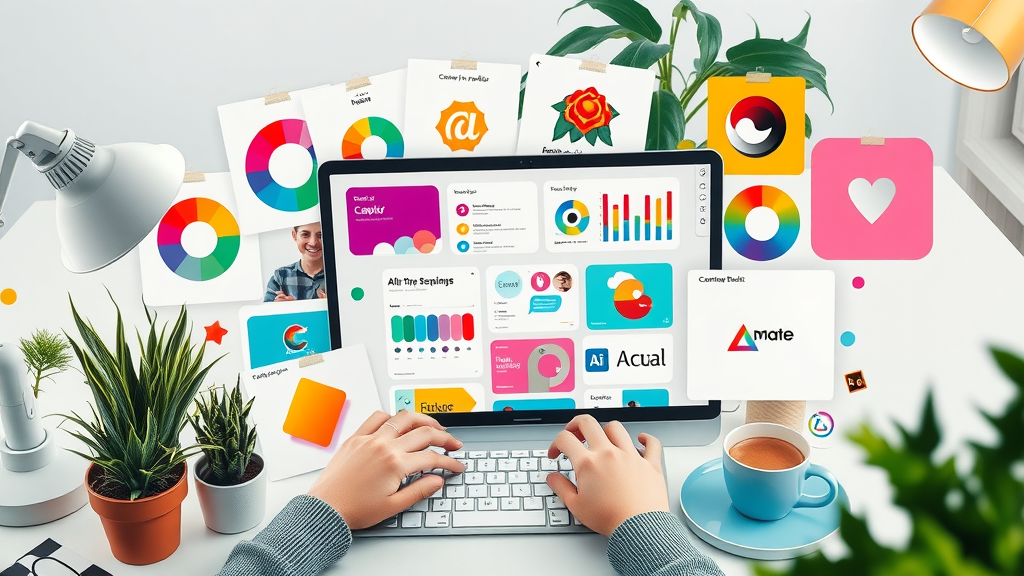
Branding Tools and Visual Resources - Modern collage of online branding tools, color wheels, logos, and creative workstation

Small Business Branding: People Also Ask

How do I brand my small business?

Branding your small business involves defining your mission, developing a unique visual identity (logo, colors, fonts), building a consistent brand voice, and connecting with your target audience through relevant marketing channels. Use social media, quality website design, and customer experience strategies to stand out as a strong brand .

What are the 5 C's of branding?

The 5 C's of branding are Clarity (clear message and purpose), Consistency (uniform branding elements and messaging), Credibility (trustworthiness), Connection (engagement with target audience), and Competitiveness (staying relevant in your industry).

What is the 3 7 27 rule of branding?

The 3 7 27 rule suggests potential customers form an impression of your small business brand in three seconds, understand your purpose within seven seconds, and, after 27 seconds, decide if you align with their needs. Ensuring your branding elements communicate clearly and quickly is vital for business branding success.

How much does branding a small business cost?

Branding costs vary—from as little as a few hundred dollars when using DIY tools, up to several thousand for professional design service packages. Most small businesses can create an effective brand mark, logo design, and identity with a modest investment in the right resources and consistency.

Frequently Asked Questions on Small Business Branding

  • What are the most important elements of small business branding? The essentials include a memorable brand mark (logo), consistent color palette, unique brand voice, mission statement, and clear values. Your small business must deliver a unified experience across physical and digital channels for a strong brand .
  • How can I make my small business brand stand out from competitors? Focus on authenticity, engage your audience on preferred platforms, and showcase your brand story. Offer a customer experience that is personal and reflects your unique business identity.
  • Should I rebrand my business if growth has stalled? If your business growth has plateaued, consider a brand audit. Updating your visual identity, adapting your brand voice, or repositioning your message can often reignite interest and attract new customers.
  • What mistakes should small business owners avoid in branding strategies? Avoid inconsistency in messaging and visuals, neglecting customer feedback, and chasing trends over authenticity. Prioritize clarity, alignment with your target audience, and delivering consistent brand promises.

Key Takeaways for Building a Strong Small Business Brand

  • Brand identity is more than visuals—deliver your promise consistently.
  • Authenticity and consistency drive customer loyalty and business growth.
  • Investing in branding pays dividends for small businesses of any size.

Ready to Grow Your Small Business Branding Efforts?

Ready to grow your business? Book your free marketing strategy session with our Team at (864) 535 6456!


Blogs

23 Views

0 Comments

Write A Comment

*
*
Please complete the captcha to submit your comment.
Related Posts All Posts
07.29.2025

Unlock Content Marketing and Blogging Secrets Today

Did you know? Over 91% of B2B marketers rely on content marketing and blogging as a cornerstone of their growth strategy. In today's noisy digital landscape, standing out demands more than just publishing random blog posts—it requires a smart content strategy that leverages multiple content formats, meaningful storytelling, and a relentless focus on outcomes. Whether you’re new to content marketing or looking to boost your blog content game, this guide reveals the secrets top content marketers use to drive brand awareness , nurture potential customers, and achieve measurable results. Read on, and watch your marketing strategy transform. Revealing Unconventional Facts: Why Content Marketing and Blogging Are Game Changers Content marketing and blogging are not just buzzwords—they are proven catalysts for business growth. In fact, statistics show that brands with a well-defined content marketing strategy experience six times higher conversion rates than those who don’t invest in blog content. Beyond traditional advertising, today’s marketing efforts are rooted in value-driven storytelling, helping brands build trust and long-term relationships with their target audience. The impact of content marketing extends far beyond the written blog post, encompassing everything from social media campaigns to strategic email marketing, and even multimedia content formats. For both established companies and entrepreneurs, leveraging blog content provides an avenue to address customer pain points, showcase thought leadership, and establish credibility in a crowded online market. This approach doesn't just attract potential customers, but it also nurtures them throughout the customer journey, encouraging repeat engagements and referrals. Ultimately, mastering content marketing and blogging elevates brand visibility and helps businesses achieve their desired marketing goals. Did You Know? 91% of B2B Marketers Use Content Marketing and Blogging for Growth 91% of B2B marketers leverage content marketing and blogging as an essential strategy for reaching their target audience and achieving business objectives. This astonishing fact highlights the universal recognition of content as a critical driver of lead generation and customer engagement. Effective blogging doesn’t only appeal to search engines; it also establishes your brand as a trusted resource for potential customers, laying the groundwork for long-term growth. By consistently publishing valuable content tailored to your audience’s interests, you foster thought leadership and nurture relationships throughout the buyer persona journey. Why Mastering Content Marketing and Blogging Matters to Your Marketing Strategy Understand the value of content marketing and blogging in today's digital landscape Learn how a strong content marketing strategy and blog content attract and convert leads In an age where consumers are bombarded by digital marketing messages, standing out requires a deliberate and impactful marketing plan. Mastering content marketing and blogging enables you to consistently reach your target audience with the right message, at the right time, and through the right channels. A robust content marketing strategy goes beyond individual blog posts, encompassing the full spectrum of content types—including guides, case studies, infographics, podcasts, and growing forms of interactive media. The true power of content marketing lies in its ability to create brand awareness, drive traffic to your website, and position your business as a thought leader in your industry. When done well, your blog content not only attracts new visitors but also educates, entertains, and converts those visitors into paying customers. This ongoing process creates a marketing flywheel, fueling consistent growth and year-over-year returns on your content marketing efforts. What You'll Learn About Content Marketing and Blogging Definition and core principles of content marketing and blogging Components of a winning content marketing strategy Effective blog content creation techniques Optimization of content strategy through analytics and content calendar management Promotion methods, including social media marketing and email marketing Exploring the Fundamentals: What Is Content Marketing and Blogging? At its core, content marketing and blogging revolve around creating, publishing, and sharing media that delivers consistent value to a specific target audience. This could be through educational blog posts, engaging videos, visually rich infographics, or insightful guides and podcasts. The primary goal is to help potential customers solve problems and answer questions, all while guiding them through the various stages of the customer journey. Blog content is often at the heart of this strategy, functioning as a magnet that attracts organic search engine traffic and amplifies your brand’s online presence. Effective content marketers know that the key to building brand awareness, trust, and loyalty is delivering the right piece of content, in the right format, at the right time. By mastering both blog content and broader media marketing formats, your organization stands out as both a helpful resource and an industry innovator. Defining Content Marketing and Blogging for Modern Brands Content marketing is a strategic approach that focuses on planning, creating, distributing, and optimizing valuable information to attract and engage a clearly defined audience. Blogging, as a subset of content marketing, typically refers to the regular publishing of blog posts that address specific topics, answer common questions, and educate readers. Modern brands harness both in tandem, using blog content as the foundation, while utilizing a variety of content types—videos, podcasts, case studies—to enhance audience engagement and brand awareness. Most successful content marketers don't just create random blog posts—they start with a well-defined content strategy that aligns with business goals. This enables companies to deliver relevant, personalized content formats tailored to each buyer persona, ultimately guiding prospects from awareness to conversion in their marketing funnel. The Difference Between Content Marketing, Content Marketing Strategy, and Blog Content While content marketing, content marketing strategy, and blog content are often used interchangeably, they serve distinct—but interconnected—roles within your marketing efforts. Content marketing encompasses all activities related to delivering valuable content, while a content marketing strategy is the plan guiding what, where, and how you distribute that content to achieve specific business outcomes. Blog content is one form of content marketing—typically short- or long-form articles designed to answer questions, share insights, or tell stories that attract potential customers. Understanding these distinctions is essential because each component impacts how effectively you engage your target audience. Your content marketing strategy informs your editorial calendar, defines which types of content to prioritize, and dictates how blog posts fit into your larger digital marketing and media marketing plan. Comparison of Content Marketing, Content Strategy, and Blogging Roles in Marketing Element Purpose Examples Content Marketing Attract, engage, and convert a target audience by sharing valuable information Informative videos, infographics, podcasts, case studies, webinars Content Marketing Strategy Plan and coordinate all content activities to align with business goals Editorial calendar, audience research, content format planning, tone & voice guidelines Blog Content Share insights, educate, and address pain points through written articles How-to blog posts, listicles, in-depth guides, thought leadership articles Understanding the 3 C's of Content Marketing and Blogging Content: Delivering Value through Blog Posts and Types of Content Context: Aligning Content Strategy with Audience Needs Consistency: Scheduling with a Content Calendar The 3 C’s—Content, Context, and Consistency—are the building blocks of any thriving content marketing and blogging operation. Content encompasses every piece of content you create, from a single blog post to a complex multimedia campaign. It’s about relentless focus on delivering value, solving problems, answering questions, and engaging your audience in relevant conversations. Context ensures that each piece of content serves your audience’s unique needs and lies at the core of your content strategy. It’s not enough to publish frequently; what matters is aligning your content calendar and blog posts with the pain points, desires, and challenges faced by your ideal customer or buyer persona. Consistency ties everything together—successful content marketers rely on a clear, predictable publishing cadence to stay top-of-mind and keep their marketing efforts on track. Breaking Down the 70-20-10 Rule in Content Marketing and Blogging To maintain a well-balanced content marketing and blogging portfolio, top content marketers often follow the 70-20-10 rule. This guideline helps structure content efforts by allocating 70% of your resources to core blog content, 20% to innovative or niche content formats, and 10% to experimentation. This balanced approach ensures you’re consistently serving your primary audience—with room for creativity and innovation that may reveal new opportunities for engagement and growth. How the 70-20-10 Rule Shapes Blog Content and Content Format By focusing the majority of your resources on tried-and-true content types—like evergreen blog posts, pillar articles, and resource guides—you create a strong foundation that drives consistent traffic to your website. The remaining 30% is strategically split: 20% on creative campaign formats (such as case studies, podcasts, or infographics) that further engage your audience, and 10% on emerging or experimental content (like short-form social media videos or interactive quizzes) that allow you to stay ahead of digital trends. Applying the 70-20-10 Model to a Content Marketing Strategy Percent Focus Area Examples 70% Core Content SEO-optimized blog posts, evergreen guides, pillar articles 20% Innovative Content Case studies, infographics, webinars, expert interviews 10% Experimental Content Interactive quizzes, new social formats, emerging trends The 7 Essential Steps of Content Marketing and Blogging Mastery Identifying Audience and Setting Content Marketing Goals Researching Blog Content and Content Types Planning with a Content Calendar Creating Engaging Blog Posts and Social Media Content Optimizing Your Content for Search Engines Promoting via Social Media Marketing and Email Marketing Measuring Analytics and Adjusting Content Marketing Strategy “Content builds relationships. Relationships are built on trust. Trust drives revenue.” – Andrew Davis Types of Content: Building a Balanced Content Marketing and Blogging Portfolio Blog Posts, Articles, Guides, Infographics, Videos, and More Today’s content marketers draw from a diverse array of types of content to deliver value. Standard blog posts remain fundamental for SEO and audience engagement, but content marketing strategies extend to many dynamic formats: in-depth articles, visually engaging infographics, educational videos, expert guides, and even thought-provoking podcasts. Each format serves a unique purpose in the overall marketing strategy—whether it’s answering key questions, showcasing industry expertise, or driving more traffic to your website. Infographics are particularly effective for communicating complex ideas in a visually digestible way, while video content and podcasts help humanize your brand and reach audiences across busy schedules. By varying your blog content and experimenting with new content types, you can keep your marketing efforts fresh, broaden your reach, and build brand authority across multiple touchpoints. Innovative Content Formats for Social Media and Email Marketing The rise of social media and the sophistication of email marketing have opened new avenues for delivering engaging content formats. Live streams, interactive stories, and carousel posts are popular on platforms like Instagram and Facebook, while bite-size video explainers excel on TikTok and YouTube Shorts. In email marketing, storytelling newsletters, automated drip campaigns, and exclusive member content keep subscribers engaged. Innovative content marketers also leverage quizzes, polls, and behind-the-scenes blog content to nurture their email marketing lists and encourage user interaction on social media. The best strategies mix core content formats with social-first elements to maximize both reach and engagement, ensuring that every potential customer can access your brand across their preferred channels. Content marketing and blogging content types: listicles, how-tos, case studies, podcasts, webinars Creating High-Impact Blog Content: Best Practices in Content Marketing and Blogging How Quality and Relevance Drive Traffic to Your Website To maximize impact, quality and relevance should be at the heart of your content marketing and blogging approach. Search engines reward well-structured, informative, and unique blog posts with higher rankings, resulting in more traffic to your website . By conducting thorough audience and keyword research, you ensure that every piece of content directly addresses your ideal customer’s pain points and interests. Thoughtful content marketers continually audit and update their existing blog posts to maintain relevancy and boost search engine visibility. The ongoing optimization of older content keeps you ahead of competitors, while original research, expert quotes, and actionable tips deliver value that builds long-term brand awareness and loyalty with your target audience. Engagement Techniques: Storytelling and Value-Driven Content Strategy Great content marketing and blogging go beyond lists of facts—they tell stories. Storytelling weaves emotional connection, authenticity, and real-world problem solving into your blog content, drawing readers deeper into your brand narrative. Combining storytelling with value-driven insights not only engages your audience but also drives conversions, as visitors are more likely to trust and share compelling blog posts. Consistently using a documented content strategy helps ensure each post has a clear goal and aligns with your marketing plan. Thought leaders recommend mapping your pieces of content to different stages of the buyer’s journey, deploying a content calendar for organizational efficiency, and using analytics to track which engagement techniques perform best. This approach transforms your blog from a static archive to a dynamic engine for growth. “The best marketing doesn’t feel like marketing.” – Tom Fishburne Optimizing Your Content Marketing and Blogging for SEO and Conversion Keyword Research and On-Page Optimization for Blog Posts Strategic keyword research is the first step to ensuring that your blog posts perform well in search engine rankings. Identify targeted keywords related to your business, your buyers’ pain points, and trending industry topics. Incorporate these keywords naturally into your blog content—especially in the title, introduction, headings, and meta descriptions. Optimize on-page elements, such as image alt text, URLs, and internal linking, to further boost your SEO and make it easier for search engines to understand each piece of content. Remember: Effective optimization isn’t about cramming keywords but blending them naturally to support readability and user value. Leading content marketers also leverage semantic SEO principles and structure their blog posts to answer users’ most relevant questions, further enhancing discoverability and organic reach. Enhancing Blog Content with Internal Links and Compelling CTAs Internal linking connects new blog posts with high-performing existing content, guiding users through your website and extending their time on site. This approach not only improves SEO by helping search engines crawl your content but also ensures your target audience finds other valuable resources relevant to their needs. Well-crafted calls-to-action (CTAs) at the end of every piece of content guide readers toward your desired conversion goals—whether it’s downloading a guide, signing up for an email newsletter, or contacting your sales team. By crafting clear, actionable, and relevant CTAs in each blog post, you move potential customers forward in the buyer journey, turning casual readers into loyal fans and, ultimately, clients. Top content marketers measure CTA conversion rates and make strategic adjustments to maximize every marketing effort. Measuring Success: Analytics for Content Marketers No content marketing strategy is complete without frequent measurement and optimization. By tracking key analytics, content marketers gain insights into which topics drive the most traffic to your website , which formats yield the highest engagement, and where users drop off in the customer journey. Data-backed decisions drive all high-performing marketing efforts: by constantly reviewing your results, you spot trends, adjust content calendars, and focus on the most effective types of content. Key metrics—such as bounce rate, average time on page, conversion rate, and traffic sources—help you refine both your blog content and broader media marketing initiatives. Analytics enable a feedback loop that drives ongoing improvement and bigger results from your marketing plan. SEO Metrics and Key Performance Indicators for Content Marketing and Blogging Metric Description Actionable Insight Organic Traffic Number of visitors arriving via search engines Gauge blog post reach and keyword performance Bounce Rate Percentage of visitors leaving after a single page Identify content gaps or misaligned topics Conversion Rate Visitors taking desired actions (signup, purchase, etc.) Evaluate CTA and landing page effectiveness Engagement Rate Shares, comments, and interactions Determine which content formats resonate best Leveraging Social Media and Email Marketing for Blog Content Promotion Integrating Social Media into Your Content Marketing Strategy Social media amplifies every piece of blog content you produce, ensuring your message reaches a broader target audience. Integrate your content marketing and blogging strategy with a deliberate social media marketing plan, sharing blog posts in eye-catching formats—using hashtags, snippets, and interactive media to spark discussion and encourage shares. Monitor performance to identify which social content format generates the highest ROI and adjust your campaigns to increase engagement over time. Additionally, use social listening tools to understand trending topics, collect user feedback, and join conversations relevant to your brand or industry. This real-time engagement transforms static blog posts into two-way marketing dialogues, fostering community and loyalty. Building an Email Marketing List for Ongoing Blog Content Distribution A well-developed email marketing list is an invaluable asset for content marketers eager to retain, educate, and convert potential customers. Use your website and blog content to offer incentives—such as free guides or exclusive updates—in exchange for email sign-ups. Schedule regular newsletters highlighting your latest blog posts, insights, or case studies, ensuring your brand remains top-of-mind throughout your audience’s customer journey. Segment your audience by interest, location, or stage in the funnel, and send tailored blog content to maximize relevance and engagement. Automated drip campaigns support deeper brand relationships and encourage repeated interactions with every send. Using Content Calendar Tools for Efficient Blog Posts and Campaigns Content calendar tools are indispensable for staying organized, planning ahead, and maximizing your marketing plan’s efficiency. They help content marketers visualize upcoming topics, coordinate campaigns around product launches or seasonal events, and ensure all parts of the content marketing strategy work together seamlessly. With a clear schedule, you avoid last-minute scrambling and maintain the consistency that builds audience trust. Content calendars also streamline collaboration across your marketing team, from writers and designers to social media managers. Leading digital marketing tools (like Trello, CoSchedule, or Notion) let you map out publishing dates, assign responsibilities, and track progress in real-time. Developing a Robust Content Marketing Strategy for Long-Term Blogging Success Aligning Your Content Strategy with Business Goals Every great content marketing strategy begins with a strong link to your overall business goals. Whether your aim is to build thought leadership, generate more leads, or support a new product launch, each blog post and campaign should ladder up to these objectives. Begin by identifying your target audience, defining KPIs, and deciding which content formats best resonate with your ideal customers. Map out these priorities in your content calendar and regularly revisit them as your marketing plan evolves. In this way, your efforts remain focused, reducing wasted time and maximizing return on investment across all blog content and content marketing activities. Adapting Your Content Marketing and Blogging Tactics for Changing Trends Successful content marketers are agile—they track digital trends, evolving search engine algorithms, and shifting audience preferences. Regularly review analytics to identify what’s working and adjust your marketing efforts accordingly. This might mean embracing emerging types of content, expanding your presence on new social media platforms, or experimenting with different storytelling formats to see what resonates. By fostering a culture of ongoing testing and learning, you future-proof your content marketing strategy and fortify your blog content for long-term success. Case Studies: How Leading Brands Use Content Marketing and Blogging to Succeed Real-World Examples of Effective Content Marketers Consider how HubSpot transformed its brand awareness by pioneering inbound marketing and publishing a wealth of blog posts that addressed every stage of the buyer’s journey. Their comprehensive guides, calculators, and case studies offer exceptional value and drive millions of visitors monthly. Likewise, Buffer built a loyal community by sharing transparent, in-depth blog content on social media marketing strategies and lessons learned as a startup. These brands demonstrate how a sophisticated content marketing plan—rooted in audience research, consistent publishing, and innovative types of content—can turn a blog into a growth engine. Real-world results confirm that diversified, high-quality blog content is the backbone of any successful marketing strategy. "Good content isn’t about good storytelling. It’s about telling a true story well." – Ann Handley Expert Tips and Tricks: Maximizing Your Content Marketing and Blogging ROI Insider practices for content marketers: storytelling, consistency, analytics, and community engagement Common content marketing and blogging mistakes to avoid Expert tips: Successful content marketers continually refine their content strategy by focusing on storytelling that resonates, maintaining a consistent editorial calendar, and leveraging analytics for every blog post adjustment. Staying engaged with your community—through comments, social media, or email feedback—ensures your blog content remains relevant. Common mistakes: Avoid publishing content without a clear purpose, neglecting SEO basics, or failing to repurpose high-performing blog content into new formats. Tracking results, learning from case studies, and planning ahead are essential for long-term content marketing and blogging ROI. Answering the Top People Also Ask Questions on Content Marketing and Blogging What is content marketing and blogging? Content marketing and blogging involves creating and distributing valuable, relevant information—through blog posts, guides, videos, or social media content—to attract and engage a target audience, ultimately driving profitable actions and strengthening your marketing strategy. What are the 3 C's of content marketing? The 3 C’s are Content (value-driven creation), Context (audience alignment), and Consistency (scheduled delivery via content calendar), all central to successful content marketing and blogging. What is the 70 20 10 rule in content marketing? The 70 20 10 rule guides content types: 70% core blog content, 20% innovative content, and 10% experimental formats—supporting a resilient and diverse content marketing and blogging strategy. What are the 7 steps of content marketing? The seven steps are: Define goals, Know your audience, Research content types, Plan with a content calendar, Create engaging blog posts, Promote via social/email marketing, and Optimize using analytics. Essential List of Resources for Content Marketing and Blogging Success Top content strategy blogs, leading content marketing books, useful content calendar software, and recommended SEO/analytics tools Frequently Asked Questions on Content Marketing and Blogging How often should I post blog content to see real results? Consistency is key. For most businesses, posting high-quality blog content at least once a week yields steady growth in search engine traffic and brand visibility. However, your optimal frequency may vary based on resources, audience expectations, and industry trends. Focus on maintaining a sustainable publishing cadence that prioritizes quality over quantity for the best results. Are there any quick tips for optimizing my content marketing strategy? Start by researching relevant keywords, tailoring content to your unique audience’s interests, optimizing on-page SEO, and distributing each new blog post via social media and email marketing. Regularly analyze performance data—then refine your content calendar and strategy to address findings and maximize ROI. How can small businesses compete with larger brands in content marketing and blogging? Small businesses can excel by focusing on niche topics, delivering personalized value, and cultivating community engagement. Develop a clear content marketing strategy, emphasize authenticity in your blog content, and leverage your agility to rapidly adapt to emerging digital trends—often outpacing larger, slower competitors in innovation and responsiveness. Key Takeaways from Top Content Marketers on Content Marketing and Blogging Consistency, originality, and measurable goals are key to effective content marketing and blogging. Diversify content types, use a robust content calendar, and continually adapt your strategy. Need a Custom Content Marketing and Blogging Solution? Call us at (864) 535 6456 for Your Free Marketing Ready to elevate your brand? Define your marketing goals, create a targeted content strategy, and use analytics to refine every blog post—then watch your content marketing and blogging efforts accelerate business growth!

06.22.2025

Raleigh Marketing Trends: What You Must Know in 2024

Did you know? Raleigh’s population soared by an astonishing 25% over the last decade—remaking the local marketing scene overnight. This comprehensive guide unmasks the forces now shaping Raleigh marketing trends, equipping you to adapt quickly, seize rising opportunities, and edge out competitors in 2024’s dynamic landscape. Whether you run a local business or manage regional campaigns, this article reveals the essential trends, practical tactics, and emerging data you need to dominate the Raleigh market this year. Raleigh Marketing Trends Disrupted: Surprising Facts Shaping 2024 Did you know Raleigh’s population grew by 25% in the past decade, directly reshaping Raleigh marketing trends? In this educational guide, discover how rapid change is steering campaigns, branding, and ROI across the city. The city of Raleigh has experienced explosive growth recently, meaning brands are now recalibrating their marketing strategies to match a far more diverse, digitally savvy, and rapidly shifting demographic. Marketers can no longer rely solely on traditional channels. Instead, Raleigh marketing trends demand an agile mix of content marketing , social media engagement, and data-driven tactics. As population growth outpaces predictions, the need for hyperlocal targeting, personalized messaging, and real-time analytics is at an all-time high. Raleigh's dynamic evolution has forced small businesses and major enterprises alike to rethink campaigns to stay relevant in this new era. The city’s competitive landscape now hinges on a blend of technology, community engagement, and innovative outreach methods uniquely tuned to local tastes and economic realities. Rapid transformation isn’t just a buzzword in Raleigh—it’s a reality. For marketers, that presents both risk and remarkable opportunity. Forward-thinking companies are already leveraging tools like AI-driven insights and market reports to pivot campaigns, boost brand loyalty, and connect with new audiences as swiftly as Raleigh’s own skyline grows. Adaptability is now the most critical trait for businesses looking to harness this shifting momentum and deliver real ROI from every marketing dollar spent. Core Raleigh Marketing Trends for 2024: Immediate Opportunities for Local Businesses To tap into Raleigh marketing trends successfully in 2024, businesses must calibrate their campaigns around the unique factors fueling the city’s ongoing boom. This includes leveraging distinctive social platforms, elevating hyperlocal SEO, and integrating community-focused events—each offering immediate, tangible gains for those willing to act quickly. With increasingly diverse audiences and rapidly changing market dynamics, Raleigh brands are harnessing the power of regional identity, authenticity, and cutting-edge technology in tandem to break through the noise. Local business owners who remain flexible in the face of rapid urban expansion will be best positioned to ride Raleigh's growth wave, unlock new customer segments, and scale returns dramatically faster than those relying on outdated playbooks. Moreover, the synergy between new resident influx and rising real estate action means brands must move beyond generic content to offer highly targeted value. From North Hills to East Raleigh , every neighborhood’s marketing profile is shifting, demanding segmentation and on-the-ground engagement. Act now by experimenting with local SEO, sponsoring local events, and building campaigns that resonate with Raleigh residents' evolving lifestyles—because these strategies are fueling exponential engagement rates and outpacing traditional media in generating leads across the city. Social Media Surges: Leveraging Social Platforms in Raleigh Marketing Trends Social media marketing is experiencing a renaissance in Raleigh, driven largely by the influx of young professionals and tech-savvy millennials who demand authentic digital interactions. Today’s Raleigh marketing trends revolve around localized social content, live video streams from neighborhood events, and hyper-targeted ads that connect with users in real-time. Platforms like Instagram, Facebook, and even TikTok have become vital for building brand loyalty, launching new products, and sparking genuine dialogue with Raleigh's growing communities. Companies that prioritize social listening, quick-turn creative, and influencer partnerships are consistently outperforming conventional ad campaigns. This shift isn’t just for large brands—even a local coffee shop can now cultivate a devoted audience by promoting exclusive deals, participating in citywide challenges, and engaging with prominent Raleigh personalities. In 2024, ignoring social media innovation risks losing significant ground to competitors who fully embrace the city's digital heartbeat. Effective integration of AI-driven tools is also redefining Raleigh's social landscape. Automated analytics platforms now enable marketers to track sentiment, optimize content timing, and tailor messages for micro-audiences within each neighborhood, yielding unprecedented engagement levels. For example, a market report on Raleigh’s trending hotspots or a behind-the-scenes video tour of downtown can generate viral buzz overnight. As user-generated content, local testimonials, and interactive polls surge in popularity, brands must place social media at the center of their outreach blueprint. This not only humanizes the brand but positions it as a proactive member of the city’s thriving social fabric. The Rise of Local SEO within Raleigh Marketing Trends Gone are the days when a one-size-fits-all national SEO campaign could guarantee visibility in Raleigh. The top raleigh marketing trends of 2024 now demand an intense focus on local SEO , fueled by Raleigh’s expanding neighborhoods and shifting search behaviors. Businesses are finding that ranking for hyper-specific searches—like “best craft breweries in Downtown Raleigh” or “local business events near North Hills”—yields significantly higher click-through rates and genuine conversions than generic queries. With fierce competition among retailers, service providers, and real estate agents, optimizing Google Business Profiles, accumulating 5-star reviews, and targeting location-based keywords have all become essential components for local success. Moreover, local SEO isn’t just about website rankings. It’s a dynamic tactic that integrates with mobile geotargeting, in-app promotions, and even virtual tours to reach Raleigh residents exactly where they are—both digitally and physically. According to recent market report insights, Raleigh brands embracing hyperlocal SEO and map pack strategies are driving record foot traffic and boosting ROI. As Google’s algorithm continues to prioritize “near me” searches and localized relevance, aligning every piece of your content, ad copy, and meta-data to Raleigh’s unique pulse is not optional; it’s a prerequisite for growing visibility in 2024’s ultra-competitive landscape. Analyzing Downtown Raleigh: The Hub of Raleigh Marketing Trends and Economic Development Downtown Raleigh has unmistakably cemented itself as the epicenter of Raleigh marketing trends and economic development. With an ever-evolving cityscape, downtown’s blend of historic charm and innovative spirit attracts entrepreneurs, real estate developers, and consumer brands looking to maximize exposure and connect with diverse audiences. Downtown’s pedestrian-friendly streets, bustling retail cores, and increasing number of community events create a unique opportunity for brands eager to tap into high-volume foot traffic and neighborhood pride. Successful companies assemble pop-up experiences, collaborate with the Raleigh alliance or local arts organizations, and create urban campaigns that harness the powerful sense of place unique to downtown Raleigh. This urban core does more than fuel economic growth—it determines the prevailing tone for citywide marketing strategies. As flagship retailers, tech offices, and creative agencies flock to downtown, the area radiates influence over trends from branding aesthetics to social values, impacting strategies well beyond city limits. It’s no longer enough to simply advertise “in Raleigh”—marketers must now hyper-target downtown districts, align with key local events, and engage directly with communities shaping Raleigh’s identity from its vibrant heart. Downtown Raleigh’s Influence on Economic Development and Real Estate Marketing Downtown Raleigh’s meteoric rise is a catalyst for regional economic development . As new developments attract investment and new residents, the demand for modern amenities, unique retail options, and creative living spaces soars. This transformation has a profound effect on real estate marketing strategies: agents, developers, and property managers now prioritize digitally driven, neighborhood-centric campaigns that showcase the distinctive energy and amenities of downtown living. Integrating local SEO with storytelling content—highlighting green spaces, art walks, and emerging restaurant scenes—is proving essential for winning ambitious buyers and tenants seeking an authentic Raleigh lifestyle. Furthermore, downtown’s evolving real estate offerings—from luxury condos to repurposed warehouse lofts—have shifted the focus of marketing strategy away from generic listings toward immersive, hyper-targeted experiences. Video-first tours, influencer testimonials, and curated neighborhood guides are all enabling brands to showcase the vibrancy and potential of downtown Raleigh with greater clarity than ever. As a result, advertising in this district is now heavily data-driven: businesses continually benchmark results from downtown-centric campaigns against suburban efforts, using advanced analytics to justify increased investment in Raleigh’s bustling core. Market Report Insights: Downtown Raleigh and the Evolving Raleigh Housing Market Recent market report data on downtown Raleigh reveals eye-opening changes in demand and consumer preferences, set against a backdrop of rising home prices and shifting lifestyles. The raleigh housing market in downtown especially is witnessing an uptick in younger professional buyers, tech employees relocating from out of state, and investors seeking long-term appreciation. Marketing campaigns that blend the allure of urban amenities, proximity to key employers like NC State and major tech hubs, and the charm of established local businesses are generating stronger leads and higher closing rates than traditional ads. Smart marketers keen on Raleigh marketing trends are revitalizing old strategies by incorporating deep-dive analytics, local culture tie-ins, and visuals that celebrate downtown’s unique vibrancy. This evolving demographic mix means marketers must stay attuned to the latest downtown market reports and flexibly adjust their approaches. Incorporating testimonials from residents, highlighting walkability and local events, and ensuring every campaign embraces the diverse economic drivers—tech, education, real estate, hospitality—puts brands ahead in an increasingly competitive market. Cross-comparisons between downtown and the suburbs, especially regarding engagement rates and local SEO effectiveness, provide critical benchmarks for refining marketing investments in 2024. Comparison Table: Downtown Raleigh Marketing Trends vs. Suburban Raleigh Key Performance Metrics Downtown Raleigh Suburban Raleigh Engagement Rates High (local events, walkability, brand loyalty) Moderate (family-oriented, community forums) Local SEO Effectiveness Very High (frequent “near me” searches, local link building) High (service-related queries, neighborhood directories) Preferred Content Formats Video-first, urban storytelling, influencer partnerships Long-form blog posts, neighborhood guides Market Report Signals Rising home prices, younger buyers, tech influx Stable growth, move-up buyers, school-driven demand Community Engagement Pop-up shops, art walks, food festivals School events, parks, local sponsorship deals Housing Market and Raleigh Marketing Trends: The Interconnection in Real Estate The surging Raleigh housing market is not only a headline-worthy trend but also a seismic force in shaping local marketing approaches across industries. As demand for homes accelerates and buyers flock to the area, developers, realtors, and related businesses are embracing ever-more-agile marketing strategies. The correlation between real estate trends and digital marketing is now impossible to ignore: strong home prices and rapid home sales are reshaping listing tactics, content strategy, and neighborhood branding. The Raleigh housing boom serves as a bellwether for broader marketing innovation—pushing brands across sectors to tap into resident psychology, local pride, and niche market segments at a deeper level. Platforms like Zillow, Redfin, and proprietary agency sites are now competing fiercely in the race to capture digital leads, but local businesses—think moving companies, home improvement experts, contractors—are also seeing benefits. By tying product and service promotions directly to real estate triggers (such as open houses, closing dates, or even monthly market reports), businesses are achieving surges in high-intent website traffic, customer engagement, and recurring revenue. This synergy between housing activity and expanded marketing outreach will only grow in 2024, especially as data integration and automation become mainstream tools for local marketers seeking tangible results. Raleigh Housing, Real Estate, and Content Strategy Alignment for 2024 “Raleigh’s robust housing market is transforming the local marketing approach, as data-driven strategies reshape homeowner outreach and real estate branding.” — North Carolina Real Estate Journal Alignment between the Raleigh housing market, real estate professionals, and evolving content strategies is reshaping every touchpoint in the customer journey. Gone are the days when listings were limited to the Sunday paper or static online directories. Modern buyers and sellers expect multimedia tours, instant messaging with agents, and educational resources about local amenities—all backed by data. Real estate marketers who invest in compelling, SEO-optimized blogs, interactive mapping, and video-first walkthroughs are seeing exponential engagement that extends beyond just property views. These content strategies mirror broader raleigh marketing trends , where authenticity, transparency, and micro-targeted value drive every successful campaign. For allied businesses—from mortgage brokers to home stagers—staying deeply connected to the pulse of local real estate is the fast track to relevance in 2024. Using insights from the latest housing market reports, such businesses are crafting seasonal promotions, location-based incentives, and neighborhood-centric content that puts their solutions in front of Raleigh’s newest homeowners. By aligning offers and education with the most current buying motives—whether it’s school districts, commute times, or neighborhood vibes—companies can stand out and build long-term loyalty amidst fierce competition. Harnessing Data from Raleigh Housing Market Reports to Inform Marketing Campaigns Today’s most effective Raleigh marketing trends spring directly from data-rich market report analysis. Real estate agents and marketers alike increasingly lean on detailed reports to inform everything from campaign targeting and creative messaging to offer timing and ad placement. Data points like average home prices, absorption rates, and migration patterns tell a story far richer than generic national averages—empowering Raleigh brands to strike while the iron’s hot with hyper-relevant campaigns. For instance, when reports highlight low inventory in a prime neighborhood, savvy agents will prioritize virtual open houses, limited-time incentives, and location-specific emails to capture attention early. This approach isn’t limited to real estate. Home services, retail, and even local event planners are mining housing data to fine-tune their own promotions and partnerships. By aligning key campaign moments to seasonal swings or notable shifts in the housing market, Raleigh organizations are seeing measurable increases in click-through rates, booking conversions, and long-term engagement. As 2024 unfolds, marketers who continually monitor—and adapt to—emerging data signals will capture outsized share, outmaneuver slower rivals, and build enduring relevancy in Raleigh’s crowded digital ecosystem. North Carolina’s Macro Trends: What They Mean for Raleigh Marketing in 2024 Expanding our perspective, it’s clear that the largest drivers behind Raleigh marketing trends stem from broader changes across North Carolina . Statewide economic development—from the growth of the Research Triangle to major infrastructure investments—serves as a rising tide that lifts local marketing ships. Brands in Raleigh must continually monitor state economic forecasts, tax incentives, and wider migration movements, as all directly impact audience expectations, buying power, and competitive positioning. Local businesses collaborating with schools, tech clusters, and major community initiatives (like those shaped by NC State or the Downtown Raleigh Alliance) are rapidly reaping the rewards of being seen as forward-thinking, invested, and aligned to North Carolina’s optimism for the future. What does this mean in practical terms? Marketers are practically required to include references to North Carolina’s economic health, job growth, and innovation in their campaigns. Messaging that reflects the energy of the state—while staying closely tied to the unique neighborhoods of Raleigh—resonates especially well with newcomers, transplants, and homegrown residents alike. Expect social content, press releases, and even Google Ads to reference both local and state success stories in 2024, connecting personal relevance with broader North Carolina pride. Beyond Raleigh: How Statewide Economic Development Sparks Local Marketing Trends Statewide initiatives in economic development are rapidly influencing Raleigh marketing strategies. Incentives are generating new job growth, spurring commercial real estate opportunities, and nurturing a vibrant startup culture—all factors that marketers must now account for to capture attention. The influx of new residents and the continual evolution of the workforce also create shifting target demographics, from young families to highly educated professionals. Brands that remain isolated from these macroeconomic shifts risk irrelevance. The most successful marketing strategies in Raleigh today highlight local community engagement, meaningful corporate responsibility, and full alignment with regional progress. In 2024, unlocking partnerships with universities, participating in statewide expos, and feature stories about collaborative success will all deliver a competitive edge for both small businesses and enterprise brands operating in Raleigh’s increasingly complex environment. Practical List: Actionable Raleigh Marketing Trends for Business Leaders Integrate AI-driven insights into social campaigns Emphasize video-first strategies Prioritize hyperlocal targeting with local SEO Foster community events and partnerships Align messaging with economic development plans For business leaders eyeing the next level of growth in Raleigh, these tactical shifts are essential for keeping your marketing fresh and relevant. Start by adopting AI-powered analytics platforms to uncover actionable customer insights that inform content, offers, and ad placement. Shift your creative efforts to prioritize video marketing—especially clips that spotlight your team, local events, or behind-the-scenes glimpses of your business in the Raleigh community. Hyperlocal SEO remains non-negotiable: update your Google Business listing, encourage genuine reviews, and reference prominent neighborhoods such as North Hills and East Raleigh to capture customers where they search most actively. Don’t overlook the value of community engagement, either. Hosting or sponsoring local events , collaborating with area nonprofits, or launching neighborhood challenges can deliver powerful word-of-mouth and brand loyalty. Finally, ensure that your marketing messaging at every touchpoint reflects your understanding of the city’s evolving economic goals—demonstrating that your business is invested in the broader future of Raleigh and North Carolina. Companies who master these tactics are seeing not only a surge in visibility but tangible, lasting gains in customer relationships and bottom-line performance. What You'll Learn About Raleigh Marketing Trends in 2024 How digital and traditional marketing tactics are shifting Key data points from the Raleigh housing market and their marketing impact Tactical real estate marketing leverage points Social media shifts unique to the area SEO strategies fueling hyperlocal growth People Also Ask: Current Marketing and Market Trends in Raleigh What are some marketing trends right now? Video-centric campaigns, local SEO, influencer partnerships, and AI-powered personalization are dominating Raleigh marketing trends in 2024. Is Raleigh, NC a buyers or sellers market? According to recent market reports, Raleigh remains a strong sellers' market with significant buyer demand and low inventory, directly impacting marketing tactics for real estate. Why is Raleigh, NC growing so fast? Raleigh’s growth is fueled by tech sector expansion, top universities, a strong housing market, and continuous economic development, each influencing local marketing strategies. What is the main industry in Raleigh, North Carolina? As of 2024, tech, education, healthcare, and real estate drive Raleigh’s economy and are focal points for Raleigh marketing trends. FAQs on Raleigh Marketing Trends for 2024 How important is integrating social media in Raleigh marketing trends? Extremely vital, as engagement rates for localized content are at an all-time high. Localized social media campaigns consistently outperform traditional marketing, increasing reach and resonance among Raleigh residents. What role does economic development play in shaping marketing strategies? Economic priorities directly inform campaign focus and investment in digital channels. As the region sees new job growth and sector shifts, successful marketing adapts to these signals in real time. How is the Raleigh housing market influencing marketing for other industries? Fast housing turnover and in-migration create new audiences, driving fresh campaign approaches beyond real estate. Service industries (moving, home services, local retailers) are pivoting messaging to attract and retain newcomers entering the market. Final Takeaways: Next Steps for Tapping into Raleigh Marketing Trends in 2024 Stay ahead by adapting quickly to data-driven marketing Monitor downtown Raleigh and housing market signals Invest in local SEO and social engagement Collaborate across industries emerging in North Carolina “Businesses in Raleigh that respond nimbly to these trends will secure a competitive edge in 2024 and beyond.” — Leading Raleigh Marketing Analyst Unlock Expert Help: Propel Your Business Growth with Raleigh Marketing Trends Ready to grow your business? Book your free marketing strategy session with our Team at (864) 535 6456 To deepen your understanding of Raleigh’s evolving marketing landscape, consider exploring the following resources: “What Are The Top Trends In Google Ads For Raleigh Businesses In 2024?” ( jemsu.com ) This article delves into the integration of Augmented Reality (AR) in advertising, highlighting how Raleigh businesses are creating immersive ad experiences to captivate potential customers. “The Future of AI in Raleigh: Trends, Innovations, and Opportunities” ( douglasmediagroup.com ) This piece explores how artificial intelligence is transforming Raleigh’s business operations, from enhancing customer engagement to unlocking new growth opportunities. By engaging with these resources, you’ll gain valuable insights into the innovative strategies shaping Raleigh’s marketing trends in 2024.

06.21.2025

Digital Marketing Raleigh: Boost Your Local Business Today

Startling Fact: Did you know that 78% of Raleigh consumers use search engines to find local businesses ? This single statistic holds the secret to unlocking rapid local growth—if your business isn’t front and center online, you’re invisible to most of your future customers. In our digitally-driven world, digital marketing Raleigh isn’t just an investment; it’s the foundation of modern success. Ready to learn how to channel Raleigh’s thriving online audience straight to your door? Let’s discover the strategies, services, and real-world results that can skyrocket your local business. Unveiling the Power of Digital Marketing Raleigh: Startling Trends and Local Opportunities Did you know that 78% of Raleigh consumers use search engines to find local businesses? Explore how digital marketing Raleigh can channel this massive online audience directly to your business. The landscape of digital marketing Raleigh has shifted dramatically in recent years, creating both outstanding opportunities and fresh challenges for local businesses. Raleigh’s population is rapidly growing—and so is its appetite for digital solutions. The average consumer here is tech-savvy, mobile-first, and expects seamless, informative online experiences. As hyperlocal searches rise, businesses that master Raleigh digital marketing can intercept buying intent the moment a customer reaches for their smartphone. Imagine your business being recommended to families searching “best coffee shop Raleigh” or “dentist near me”—that’s the power at your fingertips. But this surge in online demand has also crowded the field. To stand out, you need more than a basic website—you need a holistic approach combining search engine optimization , paid advertising, social media engagement, and content creation all tailored to the Raleigh market. Forward-thinking brands are harnessing local SEO, mobile-optimized web design, and meaningful social campaigns to carve out lasting relationships and loyal advocates. By leveraging these digital marketing trends, you position your business as the obvious choice whenever Raleigh’s residents search for what you offer. Why Digital Marketing Raleigh is Essential for Local Businesses Importance of digital marketing Raleigh for local visibility Impact of raleigh digital marketing on business growth How raleigh digital presence drives customer engagement "The right digital marketing strategy in Raleigh can amplify your business impact by reaching the right audience at the right time." — Local Marketing Expert Building a strong Raleigh digital presence is no longer optional—it's absolutely essential, especially as local consumers turn to the web for every purchase decision. Digital marketing Raleigh ensures your business is discovered where your audience is already searching: Google, social media, and online review platforms. With effective marketing services, you can appear in front of high-intent customers exactly when they're ready to buy, dramatically increasing your local visibility and brand trust. Businesses leveraging raleigh digital marketing see measurable growth in both website traffic and real-world footfalls. Why? Because active engagement on platforms like Instagram, Facebook, and Google My Business helps you build authentic connections with the Raleigh community. This isn't just about being seen—it's about driving action. A robust digital marketing strategy nurtures prospects throughout the buyer journey, encouraging them to choose your business over competitors, again and again. By prioritizing online engagement, you're turning casual browsers into loyal customers for life. What You’ll Gain by Investing in Digital Marketing Raleigh Enhanced raleigh digital brand awareness Increased lead generation Improved ROI from digital marketing services Sustainable local growth When you invest in digital marketing Raleigh , you’re investing in your business’s future. The most immediate benefit is enhanced raleigh digital brand awareness —your business will be recognized and recalled by both new and returning customers. Through precisely targeted campaigns and stellar content creation, you gain greater exposure within the competitive Raleigh market, ensuring your name pops up when local customers make a choice. Even more compelling: lead generation increases exponentially as you reach customers actively searching for your services. Proven strategies such as micro-targeted ads, star-rated local SEO, and compelling web design convert digital window-shoppers into real-world buyers. The return on investment from these marketing services compounds over time, thanks to detailed analytics and ongoing optimization. Instead of hoping for walk-ins, you drive a steady, predictable flow of qualified leads—fueling sustainable business growth for years to come. Core Marketing Services Your Raleigh Business Needs Comprehensive Digital Marketing Services: Tactics That Work Search Engine Optimization (SEO) Paid advertising & PPC campaigns Content marketing & content creation Social media management and advertising A top digital marketing agency in Raleigh offers a toolkit designed to maximize conversions in every stage of your funnel. Search Engine Optimization (SEO) puts your website at the forefront of local searches, capturing high-intent traffic for keywords like “best Raleigh dentist” or “marketing agency near me.” Effective paid advertising (such as Google Ads and Facebook PPC) brings instant, qualified leads to your website, providing consistent growth while you build long-term organic rankings. Beyond visibility, content creation and social media management drive authority and engagement, establishing your business as a local powerhouse. Content marketing tells your unique story through engaging blog posts, video, and hyperlocal guides tailored for Raleigh audiences, while regular posting and responsive engagement on social platforms build trust and community. This combination ensures you’re not just seen—but remembered. How a Top Raleigh Digital Marketing Agency Delivers Results Industry-specific strategies Transparent analytics and reporting Full-service marketing packages Service Description Impact SEO Improve ranking on search engines More organic traffic Paid Advertising Targeted PPC campaigns Quick lead generation Social Media Engage local communities Boost brand loyalty Web Design Modern, mobile-ready websites Better user experience A quality Raleigh digital marketing agency does more than simply provide services—it becomes your growth partner. The best agencies start by crafting industry-specific strategies , tuned to local competitors, unique audiences, and your business’s strengths. Transparent reporting—often in real-time—means you’ll always know what’s working (and what’s not), letting you optimize spend for maximum ROI. From single services to full-service marketing packages , a professional agency can handle everything: web design, content marketing, media management, lead generation and more. With deep expertise and a creative development team on your side, you’re empowered to pursue ambitious goals, scale faster, and enjoy measurable, sustainable growth. The Raleigh businesses making headlines today all have one thing in common: a trusted, expert digital marketing agency at their side. Selecting the Right Raleigh Digital Marketing Agency Questions to ask a marketing agency Signs of an experienced digital marketing company How to compare raleigh digital marketing services "Raleigh businesses that partner with expert marketing agencies are 3x more likely to see positive ROI from online campaigns." — Marketing Industry Report Choosing the ideal partner for your digital marketing Raleigh journey demands due diligence. Start by asking pointed questions: Do they have proven local case studies? Is their approach tailored to Raleigh’s community? How do they report results and optimize campaigns over time? Reputable marketing agencies are transparent about their experience, processes, and commitment to custom strategies that align with your business goals. Experienced digital marketing companies demonstrate robust portfolios, rave client testimonials, and a track record of tangible growth across crucial channels: website design and development, paid advertising, social media, and content creation. When comparing raleigh digital marketing services , prioritize agencies that offer a comprehensive mix of services, champion data-driven decisions, and remain accessible for ongoing collaboration. The right agency becomes your local guide, tech expert, and creative partner rolled into one—so your Raleigh business doesn’t just compete, it dominates. The Role of Website Design in Digital Marketing Raleigh Website Design & Development Services: Your Business’s Digital Front Door Seamless user experience Fast, mobile-friendly sites SEO-optimized development Your website is your first—and often only—chance to impress a new customer. Stellar website design and development services shape their perception of your brand, build confidence, and drive immediate action. In Raleigh’s competitive digital marketing landscape, a fast, mobile-optimized website provides a seamless user experience , inviting visitors to stay, explore, and convert. Every page, button, and call-to-action is an opportunity to guide your customers further into your sales funnel. The best Raleigh agencies design and develop every site with SEO at the core, ensuring your business ranks highly for local searches. Responsive layouts, compelling visuals, and easy navigation keep your brand top-of-mind while maximizing session times and minimizing bounce rates. This is website design that’s engineered for results—making your business’s website a true digital storefront for the Raleigh community. How Content Marketing & Creation Elevates Raleigh Digital Marketing Building brand authority Engaging local audiences Driving repeat business Content is the lifeblood of modern digital marketing services . Through strategic content marketing and creative content creation , you position your Raleigh business as an authority, trusted voice, and thought leader in your space. This elevates brand authority, helping you stand out not just online, but in your customers’ minds. The right content—whether blogs, how-to guides, social posts, or videos—brings genuine value to local audiences. By answering real questions and solving local pain points, you build credibility and foster meaningful engagement. Consistently refreshed, hyper-targeted content also keeps your audience coming back, driving repeat business and maximizing customer lifetime value. When you prioritize content, you cultivate a Raleigh community inspired to support your brand in the long run. Lead Generation and Digital Marketing Raleigh: Turning Clicks Into Customers Proven lead gen strategies Lead generation tools for Raleigh businesses Lead nurture and conversion tactics For Raleigh businesses aiming for growth, lead generation is the name of the game. Effective digital marketing Raleigh campaigns are engineered to turn every site visit, click, or social mention into a qualified lead . By deploying proven lead gen strategies—like high-converting landing pages, gated content resources, and local lead magnets—you attract prospects that are ready to buy. Choosing the right tools and tactics is key to maximizing your conversion rate . CRM integrations, automated email nurturing, and retargeting ads ensure every lead is guided from initial touchpoint to final sale. Reliable marketing services include robust analytics for monitoring conversion rates and campaign performance, so you never lose sight of ROI. With the right systems, Raleigh businesses transform raw traffic into loyal, high-value customers. Integrating Paid Advertising & Search Engine Tactics for Fast Results Leveraging Google Ads and local PPC Optimizing for search engines and local intent When you need to make an immediate impact, paid advertising and strategic search engine tactics are your fastest path to targeted, profitable growth. Google Ads and local PPC let you appear at the very top of results when Raleigh customers search for your services, driving instant traffic and fast-tracking results. But it’s not just about volume: optimizing ads for local intent and the nuances of Raleigh’s market ensures every dollar is working harder for you. Combine this with meticulous search engine optimization and on-page improvements, and you’ll dominate both the paid and organic sections of Google. The most successful Raleigh brands consistently integrate these approaches, triggering exponential increases in traffic, leads, and conversions. Harnessing Social Media Management for Raleigh Businesses Platforms to prioritize Community building Social ads that convert Strong social media management is foundational for connecting with Raleigh’s vibrant, community-driven audience. Whether it’s Instagram, Facebook, or emerging platforms like TikTok, the key is prioritizing the channels where your customers are already spending their time. Smart content calendars, interactive posts, and responsive engagement build a following that feels genuinely seen and heard. Combine organic community-building with highly-targeted local social ads to lock in incredible conversion rates. Paid campaigns on social platforms can zero in on Raleigh neighborhoods, interests, and demographics—so you’re always talking to the people most likely to buy. With regular review monitoring and ongoing interaction, your business is well-positioned to build trust, drive word-of-mouth, and capture long-term brand loyalty. People Also Ask: Digital Marketing Raleigh What is the benefit of local digital marketing for Raleigh businesses? Local digital marketing helps Raleigh businesses appear in front of customers searching for relevant services, increases visibility within the local community, and increases sales opportunities from a nearby audience. The primary benefit of local digital marketing is pinpointed visibility . When Raleigh residents search online, your business shows up ahead of the competition. You tap into local search behaviors, making your brand more accessible and increasing the likelihood of walk-ins, appointments, and direct sales. With increased awareness comes increased revenue—powerfully connecting your business to neighbors who matter most. How do I choose a digital marketing agency in Raleigh? Look for a Raleigh digital marketing agency with proven case studies, transparent processes, local industry knowledge, and personalized strategies tailored to your business goals. Start by evaluating digital marketing agencies based on their success with other Raleigh clients. Review testimonials and case studies to ensure they understand your industry and local audience. The right agency should offer clear, open communication, seamless reporting, and strategies that aren’t one-size-fits-all. Personalization, local expertise, and a data-driven mindset distinguish the best from the rest. Which digital marketing services drive the highest ROI in Raleigh? SEO, paid search (PPC), and personalized content marketing typically offer the highest ROI by targeting high-intent customers actively seeking your services in Raleigh. For most Raleigh businesses, investing in targeted SEO , paid search , and ongoing content marketing provides the greatest return. These services capture customers who are already searching for your offerings, reducing acquisition costs and maximizing conversions. A balanced strategy utilizing all three channels drives rapid, sustainable growth and measurable ROI. Can small businesses in Raleigh benefit from digital marketing services? Absolutely. Small businesses can see rapid growth through affordable, targeted digital marketing services that build community presence and quickly capture local market share. Without a doubt, digital marketing Raleigh levels the playing field for small businesses. Affordable campaigns can be hyper-targeted, producing outsized gains in brand awareness and lead generation. Even solo entrepreneurs and family-owned stores can become local favorites by leveraging the latest marketing tools—allowing them to punch above their weight and win big. Success Stories: Raleigh Businesses Growing with Digital Marketing Case study: Local café’s sales doubled through raleigh digital marketing Dental practice: Lead generation boosted by 40% in three months Retail store: Enhanced web design led to higher conversion rates Consider the story of a beloved Raleigh café: after implementing local SEO, strategic content marketing, and targeted Facebook ads, their foot traffic and online orders skyrocketed. Monthly sales doubled within six months, and the café became a neighborhood staple, receiving glowing reviews across Google and Yelp. A local dental practice transformed their approach with expert lead generation strategies—think optimized landing pages, reputation management, and local listings. The results? A 40% uptick in new patient leads over just three months. Similarly, a Raleigh retail boutique invested in modern web design and content creation, leading to a 30% increase in conversion rates and rapid growth. Lists of Top Digital Marketing Strategies for Raleigh Businesses Implement local SEO tactics Advertise with targeted Google and Facebook ads Create engaging, hyperlocal blog content Manage reputation and reviews Use video to tell your brand story To outpace Raleigh competitors, prioritize these digital marketing strategies. First, local SEO tactics make your business undeniable in Google’s map pack and “near me” searches. Paid ads on Google and Facebook put you directly in front of high-converting customers, while engaging, locally-focused content builds trust. Monitor and respond to reviews to safeguard your reputation, and embrace video marketing to communicate your brand story with emotional impact. When combined, these approaches drive real, lasting results. Must-Have Checklist for Digital Marketing Raleigh Success 1. Assess current online presence 2. Research Raleigh competitors 3. Choose the best-fit marketing agency 4. Launch targeted campaigns 5. Analyze data and refine strategy Unlocking success in digital marketing Raleigh starts with preparation and clear benchmarks. Evaluate your website, social profiles, and online reviews to identify gaps. Study top-performing Raleigh competitors and borrow ideas that resonate. Take the time to partner with an agency that shares your vision, then launch focused campaigns with defined goals. Constantly analyze performance—your ability to adapt and refine separates the market leaders from the rest. Expert Insights on the Future of Digital Marketing in Raleigh "Raleigh’s digital marketing landscape is rapidly evolving. Smart companies prioritize adaptability, analytics, and authentic connection to sustain growth." — Regional Digital Strategy Specialist The future of digital marketing in Raleigh is about agility, authenticity, and data-driven storytelling. As digital channels multiply and consumer behaviors shift, only businesses willing to experiment and adapt will thrive. Prioritize transparent analytics, ongoing relationship-building, and innovative formats like live video and interactive content. Your investment in digital today ensures you’re ready for tomorrow’s opportunities. FAQ: Digital Marketing Raleigh Q: What makes Raleigh digital marketing unique? A: The highly educated, tech-savvy local audience demands innovative, data-driven strategies and local relevance. Q: How fast can I see results from a new campaign? A: Depending on the channel, paid campaigns can deliver results in days; SEO and content marketing take longer but have compounding benefits. Q: What is the typical investment for digital marketing services in Raleigh? A: Services are customizable, but most local campaigns start at a few hundred dollars a month and scale with business growth. Action Steps: Transform Your Business with Digital Marketing Raleigh Today Evaluate your business goals Book a strategy session Select marketing services aligned to Raleigh’s market Implement and monitor campaign performance There’s never been a better time to transform your Raleigh business. Define your goals, schedule a strategy session with digital experts, and roll out a campaign that puts you ahead of the competition. Continually monitor your results, and tweak your approach for optimal growth. Ready to Accelerate Your Growth? Book Your Free Raleigh Marketing Strategy Session Ready to grow your business? Book your free marketing strategy session with our Team at (864) 535 6456. Discover how digital marketing Raleigh can drive results for your business today! Watch Now: Why Digital Marketing Raleigh Agencies Outperform DIY Approaches Take action today—empower your business with digital marketing Raleigh and become a true local leader! To enhance your understanding of digital marketing strategies in Raleigh, consider exploring the following resources: “Digital Marketing for Raleigh Businesses” : This resource provides insights into local SEO marketing, paid advertising, review marketing, and social media campaigns tailored for Raleigh businesses. ( revlocal.com ) “Raleigh Digital Marketing Agency Services” : This resource offers a comprehensive range of services, including digital strategy consulting, digital marketing management, demand generation, paid media management, design and development services, and search engine optimization, to help Raleigh businesses grow online. ( digitalauthority.me ) These resources offer valuable insights and strategies to help your business thrive in Raleigh’s competitive digital landscape.

Terms of Service

Privacy Policy

Core Modal Title

Sorry, no results found

You Might Find These Articles Interesting

T
Please Check Your Email
We Will Be Following Up Shortly
*
*
*