

Unpacking the 2:00 Barrier in Swimming
For many swimmers, the 2:00 minute mark for 100 meters becomes a seemingly insurmountable wall. Many athletes register their frustrations over their inability to break past this threshold, often feeling trapped in a cycle of stagnation. So what exactly contributes to this plateau, and how can it be overcome? This article dives into the nuances of training, technique, mindset, and physiological factors that may be holding you back.
Technique: Perfecting Every Stroke
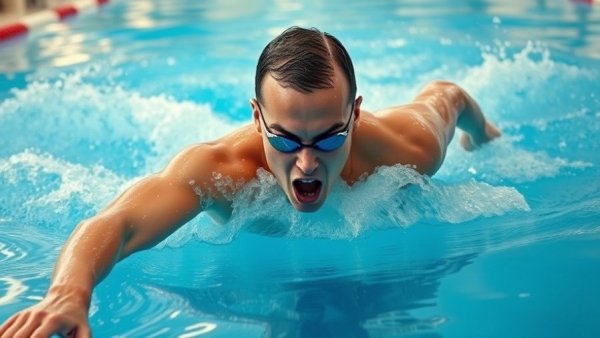
Often overlooked, the technique is paramount in enhancing swimming speed. From the position of your body in the water to the efficiency of your strokes, each aspect matters. Swimmers fixated on beating the clock may neglect fine-tuning their stroke mechanics. Beginners should focus on mastering the fundamentals—body alignment and breathing techniques—to build a solid foundation. As swimmers progress, drills that emphasize efficiency can help shave off seconds, transforming that 2:00 into a faster reality.
The Power of Mindset: Overcoming Mental Barriers
Some might argue that physical training alone isn’t enough—mental preparedness is equally crucial. Many athletes face mental blocks that hinder their performance. Visualization techniques, positive self-talk, and even meditation can prepare the mind for competition. Embracing failure as part of the process is essential. Remember, champions learn from setbacks and turn frustration into motivation.
Nutritional Insights: Fueling Success
The food you consume plays a critical role in your performance. Are you fueling your body adequately? A properly balanced diet rich in whole foods, lean proteins, and healthy fats can enhance endurance and recovery. Hydration cannot be overlooked either; even slight dehydration can impair overall performance. Swimmers should explore potential diets tailored for athletes, like those rich in carbohydrates to sustain energy levels during intense training.
Training Intensity: The Right Balance
How often are you mixing up your training regimens? Monotony in workouts can lead to stagnation. It’s essential to incorporate varied training intensities ranging from high-intensity interval training (HIIT) to longer endurance sessions. Repetition and consistency are vital, but equally important is a structured program that allows periods of rest and recovery. Athletes willing to push their limits during training will find themselves breaking barriers both mentally and physically.
Support Networks: Creating a Community
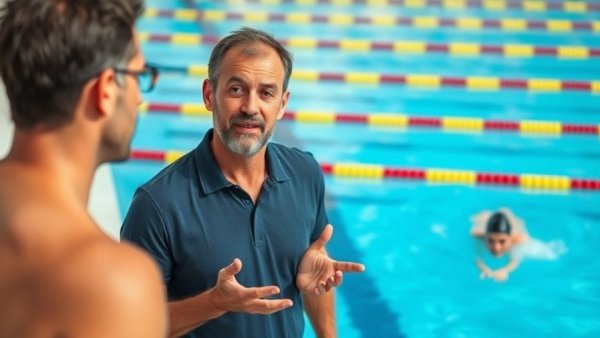
Engaging with coaches, teammates, and mentors can yield surprising benefits. A supportive network not only provides motivation but offers valuable insights into strategy and technique. Regular feedback can accelerate growth. Coaches can adapt training plans suited to individual strengths and weaknesses, equipping athletes with the tools necessary to jump over that 2:00 hurdle.
Future Predications: The Evolution of Swimming Techniques
With the influx of technology in sports, the landscape of swimming is constantly evolving. The advent of smart suits that improve buoyancy and hydrodynamic efficiencies points to a future where speed records may fall with each passing year. Understanding the role that innovation plays in swimming can prepare the athlete for a competitive edge in their training and performance.
Finally, breaking the 2:00 barrier is not just about the physical act of swimming faster; rather, it's about the holistic athlete. From mental resilience to community support, there are multiple avenues to consider as you strive for that next milestone. So, if you're ready to embrace a transformation in your approach, take charge of your training and motivation, and watch how quickly that 2:00 time becomes a benchmark of the past.




Write A Comment