
cropper
Passion For Sports
The Coaches Corner
  • Home
  • Categories
    • Track and Field
    • Swimming
    • Wrestling
    • Gymnastics
  • Coaching Corner
October 22.2026
3 Minutes Read

Unbreakable World Record: A New Standard for Aspiring Athletes

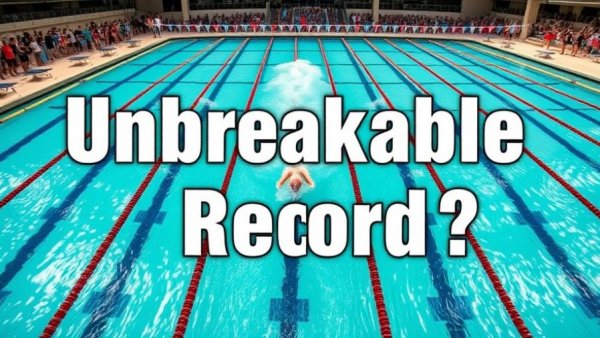
Overhead view of a swimming race with 'Unbreakable Record?' text.

Breaking Records: The New Benchmark in Sports

In an astonishing display of physical prowess, an athlete has achieved what many thought was the impossible—a world record set higher than any before. This remarkable feat pushes the boundaries of human capability, inspiring athletes and enthusiasts alike. With each push and pull, every sweat-drenched moment becomes a testament to dedication, showcasing that limits often exist only in our minds.

In 'Unbreakable World Record!', the discussion dives into the monumental achievements in sports, exploring key insights that sparked deeper analysis on our end.

Why This Record Matters to Athletes and Coaches

For athletes and coaches, every record broken signifies new heights to strive for. It’s not just about numbers; it embodies the spirit of sport—a relentless pursuit of greatness fueled by hard work and determination. Coaches can leverage this unprecedented achievement to motivate their teams, using it as a benchmark for what can be accomplished with the right mindset and training. The inspiration derived from such records can reinvigorate training routines, instilling a sense of purpose in practice sessions.

Exploring the Social Impact of Sports Records

Records often spark hope and serve as a bridge between competitive spirits across different sports and communities. They inspire fans from various backgrounds to engage with athletes at all levels, creating a sense of unity and shared aspiration. As milestones are shattered, they become catalysts that encourage dialogue about perseverance and sportsmanship, and often ignite conversations about personal goals and the drive to succeed.

The Future of Records: Where Do We Go From Here?

In the ever-evolving landscape of sports, one wonders what the new norm for records will look like. Will technology play a role in enhancing performance? With advancements in wearable tech and training regimens, the possibilities are limitless. The future will likely see athletes rejecting modern myths of limitation, instead embracing the continuous challenge to exceed what was once deemed unbreakable.

Counterarguments: The Pressure of Expectations

Nevertheless, with records come expectations, leading many to contend with pressure that can be both motivating and debilitating. The mental strain of competing at such high levels can result in burnout, anxiety, and injuries. Critics argue that the focus on records overshadows the more significant benefits of participation in sports—teamwork, enjoyment, and personal development. They call for a balanced approach that values the journey as much as the destination.

Decisions to Embrace Following Record Breakings

For aspiring athletes, the question arises: how can this information be leveraged? Firstly, it’s crucial to study the training methodologies of record holders. Implementing similar strategies while maintaining personal goals can enhance performance. Secondly, engage with coaches and experienced athletes to gain insights into their approach to overcoming challenges. They often have invaluable perspectives that extend far beyond mere physical training.

Final Thoughts: Embracing the Unbreakable Spirit

The recent world record serves as a beacon of what's possible, not only within the athletics community but also at a societal level. It highlights the human spirit's resilience, igniting dreams that many hold dear. As we celebrate this achievement, let it inspire all—athletes, coaches, and fans alike—to pursue their versions of greatness without reservation.

As we reflect on this impressive accomplishment, both the record and the record-holder serve as reminders of our boundless potential. Let this be a call to action for everyone: set your sights high, challenge your perceived limits, and hold onto the belief that unbreakable records are not just achieved in the arena of sports—they are created every day in our lives.

Coaching Corner

5 Views

0 Comments

Write A Comment

*
*
Please complete the captcha to submit your comment.
Related Posts All Posts
10.31.2026

Transform Your Freestyle: Master Efficient Swimming in Just 7 Days

Update Mastering Freestyle Swimming: From Beginner to Pro in Just a Week For those eager to streamline their technique and speed in the pool, unlocking your full potential in freestyle swimming can be transformative. It’s not about drowning in endless laps; it's about precision and smart training. In just seven days, one can revamp their swim style remarkably. With the right adjustments, swimmers can rapidly improve efficiency and become lifelong athletes ready to conquer any wave.In the video 'How To Swim Perfect Freestyle in 7 DAYS,' the transformational process regarding swimming techniques is covered, prompting us to analyze the essential steps and insights for achieving tangible improvements. The Importance of Stroke Analysis A crucial first step in refining your freestyle technique involves stroke assessment. The objective? Understand your current performance level so you can set tangible improvement goals. Count your strokes from one wall to the other. This number will guide you in measuring your efficiency, and many apps can automate this process for you. The fewer strokes it takes for you to travel a distance, the better! But how do you increase your efficiency? Analyze your position. Addressing the entry point—the moment your fingertips breach the water—makes a big difference. Extend your hand as far forward as possible and use your core for body rotation. This foundational understanding of your body mechanics is essential for maximizing each stroke. Taking a Deeper Dive with Video Feedback One innovative technique is filming yourself as you swim. This method allows for immediate visual feedback—crucial in correcting your form. You may believe you're seamlessly gliding through the water, but what you see in the footage might surprise you. Are your arms positioned correctly? Are your legs sinking? These visual cues will illuminate areas needing attention. Many swimmers find that they weren’t maintaining a streamlined posture. Address these points progressively—they can severely impact your speed and finesse in the water. The Art of Streamlining On day two of your training, focus on developing a solid streamline. Think of it as the superhero stance of swimming. When you push off the wall, maintain a firm core to minimize resistance as you glide. A tight streamline enhances momentum. In essence, you're shaping your body into a sleek torpedo to cut through water. This idea ties in physics: momentum depends on your mass and velocity. Effective swimmers maximize their velocity through streamlined form, allowing them to swim faster and farther with less effort. Warm-up Techniques You Can't Skip A critical yet overlooked aspect of swimming is the warm-up routine. Skipping it can lead to injuries and reduced performance. A dynamic warm-up engages muscles without unnecessary fatigue, priming your body for the water. Movements such as arm swings, leg swings, and resistance band drills activate your muscles and enhance flexibility. Never underestimate the gym when preparing for the pool. Forming these connections off the water sets the stage for your in-water performance. Interval Training: The Key to Speed Once you’ve honed your form and warm-up techniques, the focus shifts to training modalities. Embrace interval training! Begin measuring your workout efforts progressively. Set specific intervals for your swims, reducing rest times gradually to boost aerobic capacity. By mixing in strokes like breaststroke and backstroke, you’ll fortify muscles that contribute to freestyle efficiency. Essentially, you are ensuring a well-rounded approach to your swimming, which could be the key to beating personal bests or even winning competitions. Continuous Improvement: Beyond the 7-Day Mark The improvements you make in just one week should act as a launchpad for your ongoing development. Establish a consistent practice routine. Every few weeks, return to counting strokes and assessing progress. With analytics from the MySwimPro app, tailoring your practice sessions based on real-time feedback keeps your training fresh and relevant. Seek mentorship opportunities, whether digitally or at a local swim retreat, to gain personal insights and customized feedback. Connection to other swimmers and coaches can immensely uplift your drive and skill. Conclusion: Swim Smarter, Not Harder Understanding these principles regarding freestyle swimming can lead to significant advancements in your performance. Instead of just putting in more time, swim smarter. Adopting these techniques, embracing feedback, and continually striving for improvement will create a foundation for athletic success. So, gather your gear, set your goals, and dive into the transformative journey of becoming an efficient freestyle swimmer. Prepare to elevate your swimming experience—consider joining a swim retreat to immerse yourself in focused training. Your journey to becoming a pro swimmer begins today!

10.27.2026

The Hidden Cost of Greatness in Swimming: Exploring Mental Health Challenges

Update The Dark Side of Pursuing Olympic Glory The pursuit of greatness in swimming—and indeed, in all sports—often comes at a steep price. While medals and accolades may shine brightly on athletes like Michael Phelps, the emotional and psychological toll underlying their pursuit is anything but glamorous. Phelps, the most decorated Olympian in history, recently opened up about the suffocating pressures he faced, especially in the aftermath of the Olympics. Despite his astounding achievements, he struggled with feelings of inadequacy and despair, raising a critical question: what does greatness truly cost?In 'The Hidden Cost of Greatness in Swimming', the discussion dives into the mental health challenges faced by athletes, prompting a deeper analysis of their hidden struggles. Obsession: The Double-Edged Sword In elite sports, it’s not just talent that sets champions apart; it's an all-consuming obsession. Phelps himself recognized this when he described his singular focus on swimming from the age of ten. This relentless dedication fosters extraordinary success but can also turn into a relentless burden. Unlike ordinary individuals, elite athletes often operate under the assumption that they must sacrifice their well-being for the sake of success, leading to unhealthy habits and mental health struggles. The Road to Burnout: Recognizing the Signs As more athletes come forward with their experiences, it's becoming clear that the mental health challenges faced by elite performers are alarmingly common. One in three elite athletes will encounter anxiety or depression, a statistic that challenges the glorified perceptions of Olympic champions. This reality often manifests as post-Olympic depression, where athletes find the supposed pinnacle of success and fulfillment leaves them feeling emptier than before. The Pressure Cooker of Competition Consider the intense pressure faced during Olympic trials, where only the top two in each event earn a spot on the Olympic team. This not only creates immense stress but also fosters a toxic environment where athletes feel compelled to suppress their vulnerabilities. They grapple with the fear that discussing their struggles might be seen as weakness, ultimately fueling their mental health decline. A Paradigm Shift: The Importance of Vulnerability The waters of high-performance sports have changed significantly, with vulnerable conversations beginning to surface. Athletes like Caleb Drestle are challenging the stigma by openly discussing their mental health journeys and recognizing the necessity of asking for help. This shift is critical: seeking support doesn’t signify weakness; in fact, it may be the most courageous step toward sustainable performance. Finding Balance: The Shift to Mental Health Culture The transition from a hyper-focused athlete to one who prioritizes mental health can seem radical, but it is often necessary. Athletes are realizing the importance of emotional well-being in their training regimens. By allowing themselves to unlearn harmful ideologies of competitiveness and perfectionism, they can authentically engage with their sport. As they shift their view of what it means to be an athlete, they find not only joy in swimming but also a purpose beyond the medals. Reframing Success: A Journey Over Outcome Maybe the most striking revelation from athletes like Phelps and Drestle is understanding that sports should be about passion, growth, and community rather than merely outcomes. A shift in perspective, prioritizing emotional fulfillment over trophies, signals a transformation in the culture of sports. By embracing this philosophy, athletes can redefine their paths, ultimately leading to true happiness and success both in and out of the pool. In light of these discussions, it’s imperative for both athletes and their supporters to prioritize mental health. If you resonate with these experiences, don’t wait until your struggles escalate. Reach out for help and explore the mental health resources available. Ensuring mental wellness is vital—not only for peak athletic performance but for the overall journey of life.

10.26.2026

Unlock Your Swimming Potential: Why Stroke Count Matters

Update Why Focusing on Stroke Count Could Change Your Game In the world of swimming, many athletes fall into a rhythm of endless laps, focusing solely on their endurance. However, as highlighted in the video Don’t do mindless laps and completely ignore your stroke count!, there’s a compelling reason to pay attention to your stroke count. Just as in life, where mindfulness enhances our experiences, being present in the water can significantly improve performance.In the video Don’t do mindless laps and completely ignore your stroke count!, the discussion dives into the importance of being conscious about stroke count, exploring key insights that sparked deeper analysis on our end. Understanding Stroke Count: A Game-Changer The concept is straightforward: the fewer strokes you take to swim a set distance, the more efficient you are as a swimmer. This principle not only boosts your speed but also enhances your endurance. Athletes need to shift their mindset from merely completing laps to honing their technique and optimizing their strokes. By counting strokes, swimmers can ensure that their form is not just effective but also sustainable, allowing them to preserve energy for longer bouts in the pool. Common Misconceptions in Swimming Technique There’s a common myth among swimmers that increasing the number of laps is synonymous with improved skill. While volume certainly has its place, focusing too much on quantity can lead to sloppy technique and inefficient movement through the water. Implementing stroke count as a key metric can help identify imbalances in technique, guiding swimmers toward a more efficient splash. This not only fosters better practice habits but cultivates a deeper understanding of their physical dynamics in the water. The Disconnect: Stroke Count vs. Speed Interestingly, many athletes believe that a higher stroke count indicates a lack of speed or skill. This misconception needs to be addressed. In reality, paying attention to stroke count can help a swimmer recognize when they’re losing efficiency and subsequently adjust their technique. Coaches sparking conversations about stroke metrics can pave the way for future champions. Fostering a Mindful Approach in the Pool Mindfulness in sports is not just a buzzword; it's crucial in maximizing performance. Swimmers should embrace a deliberate, thoughtful mindset while training. This involves full concentration—not only on the number of strokes but also on the quality of each performance. Engaging with every lap and every stroke allows for better skill retention and application. Swimmers will find that focusing on their stroke count leads to faster times and improved performances overall. A Call to Action: Coach, Train, and Transform Becoming a better swimmer is not about how many laps you can tackle; it’s about how effectively you can navigate the water. Swimmers and coaches need to revolutionize their approach by developing an acute awareness of stroke count during every practice. Engage in drills that emphasize technique over mere distance. Coaches can develop customized training regimes centered around stroke efficiency. Swimmers, on your next lap, ask yourself: how many strokes does it take to reach the end? Start counting. Rethinking stroke count could transform not just individual performances but create waves across coaching methodologies. In a world where swimming knowledge continues to evolve, ensuring we harness every opportunity for improvement could be vital for the next wave of swimming stars. Are you ready to dive deep and make a splash in your training?

Passion For Sports

Stay Ahead of the Game: Your Ultimate Media Hub for Swimming, Track, Gymnastics, and Wrestling!

COMPANY

  • Privacy Policy
  • Terms of Use
  • Advertise
  • Contact Us
  • Menu 5
  • Menu 6

864 535 6456

AVAILABLE FROM 8AM - 5PM

ABOUT US

At our media site, we are passionate about delivering the most up-to-date news in the realms of swimming, track and field, gymnastics, and wrestling. Our commitment extends beyond the USA, reaching an international audience eager for the latest developments in these dynamic sports. We strive to highlight not only major competitions and events but also the inspiring stories of athletes and teams from around the world. By offering in-depth analysis, interviews, and real-time updates, we aim to engage fans and foster a deeper appreciation for these athletic disciplines. Join us as we celebrate the spirit of competition and achievement!

© 2026 CompanyName All Rights Reserved. Address . Contact Us . Terms of Service . Privacy Policy

Terms of Service

Privacy Policy

Core Modal Title

Sorry, no results found

You Might Find These Articles Interesting

T
Please Check Your Email
We Will Be Following Up Shortly
*
*
*