

cropper
update
Passion For Sports
update
The Coaches Corner
  • Home
  • Categories
    • Track and Field
    • Swimming
    • Wrestling
    • Gymnastics
  • Coaching Corner
September 21.2025
2 Minutes Read

Transform Your Athletic Skills in Just 17 Minutes with Pro Techniques

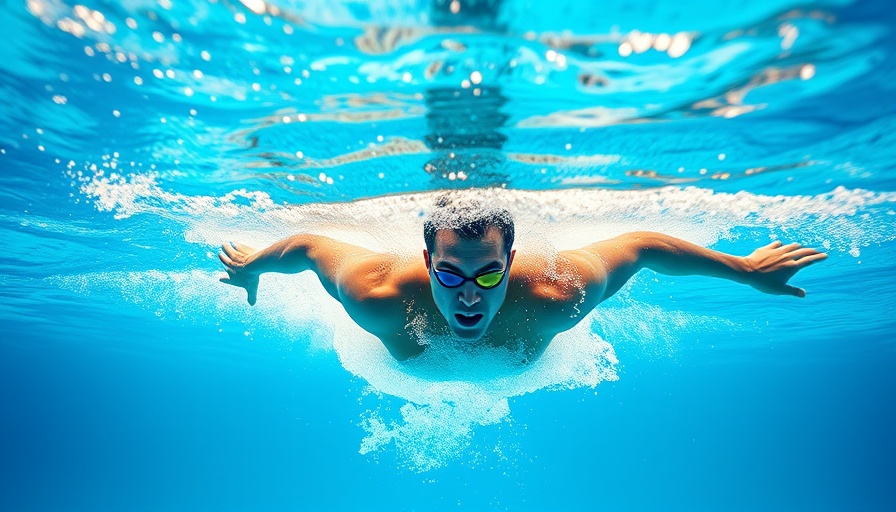
Transform Your Athletic Skills in 17 Minutes: Swimmer propels underwater.

Unlock Your Athletic Potential: Why Quick Techniques Work

Did you ever think 17 minutes could transform your athletic performance? For athletes and enthusiasts seeking to sharpen their skills swiftly, modern training techniques offer condensed yet impactful strategies. In the world of sports, time is often not on our side, but with the right approach, significant gains are attainable even in short bursts of training.

The Art of Efficient Training

Many athletes overlook the potential of focused, intensive training periods. The key lies in the methodology: precision drills that emphasize skill development, agility, and strength can yield impressive results when executed consistently over short time frames. For example, sprint workouts—often lasting only 15 to 20 minutes—can dramatically enhance speed and conditioning. This is especially true for sports like track and field, where split-second decisions can determine victory.

Real-Life Success Stories: Who's Benefiting?

Transformative training methods aren’t just theoretical; they produce real-world success stories. Take the case of a competitive swimmer utilizing high-intensity interval training (HIIT) for just 17 minutes a day. The strategy not only improved their endurance but also enhanced overall race performance. Similar success can be seen in gymnastics, where coaches emphasize strength and flexibility drills that can be completed in under 20 minutes. It’s this innovative approach that allows today's athletes to maximize performance while minimizing time lost.

The Science Behind Quick Training Protocols

According to research in sports science, the benefits of short-duration workouts can be largely attributed to increased focus and mental acuity. Here’s the catch: longer training sessions may lead to burnout, yet fast and efficient strategies maintain high levels of motivation and mental alertness. Further studies highlight the physiological benefits, such as improved aerobic capacity and muscle recovery, which bolster the case for shorter training durations.

What Does This Mean for Coaches and Parents?

For coaches and parents looking to help athletes excel, incorporating 17-minute transformation sessions into routine practices can be game-changing. The focus should be on quality over quantity—ensuring that every minute is used effectively can amplify skill acquisition and boost enthusiasm for the sport. Coaches can design drills that match the athlete's individual needs while adhering to these time constraints, facilitating a custom approach to training.

Building Stronger Skills in Less Time

As we navigate the rapidly evolving sports landscape, efficient training techniques will continue to rise in popularity. Embracing short, impactful sessions could redefine how athletes and enthusiasts approach personal development. SHort bursts of focused training are especially valuable as they allow athletes to balance their academic, athletic, and personal lives without sacrificing progress. Imagine the difference that consistent 17-minute training sessions can make in performance—transformative indeed.

Swimming

10 Views

0 Comments

Write A Comment

*
*
Please complete the captcha to submit your comment.
Related Posts All Posts
07.07.2026

Leon Marchand and Maxime Grousset: The Future Stars of Swimming

Update Leon Marchand and Maxime Grousset: A Dynamic Duo on the Rise The anticipation is palpable as the French swimming community gears up for the European Championships in Paris. Among the 27 elite athletes selected for the national squad are Leon Marchand and Maxime Grousset, two swimmers who embody both talent and resilience. As the championships approach, fans eagerly await Marchand’s comeback from injury and Grousset’s return to racing following his fractured foot. Marchand's Unwavering Spirit Amidst Setbacks Marchand’s recent performance at the French Championships was nothing short of remarkable, clocking in at 4:04.56 in the 400 IM, making it the fifth-fastest time ever recorded. However, his journey has been bittersweet. A sharp pain during the prelims of the 200 breaststroke has raised alarms about a possible injury, leading to his withdrawal from subsequent events. Despite this setback, the French federation has granted him the freedom to compete in other events as long as he meets the qualifying standards. This speaks volumes about Marchand's importance to the team and his earning of a second chance, which reflects the intense pressure elite swimmers face. Grousset's Road to Recovery: Overcoming Adversity Maxime Grousset, who recently suffered a fracture in his left foot, also demonstrates the tenacity required of competitive athletes. Even though he had to withdraw from the French Championships, a medical exemption has cleared the path for him to compete in the European Championships. His ability to overcome significant injuries illustrates a vital lesson in resilience for aspiring athletes and fans alike. Young Stars Emerge: A New Generation of Swimmers The pair's inclusion is a testament to the youthful vigor present in the French swimming scene. Young talents such as Yohann Ndoye Brouard and Mary-Ambre Moluh are also making waves. Brouard recently showcased his prowess by sweeping the backstroke events, while Moluh shattered French records in the 50 and 100 back, positioning herself at the top of Europe. Their performances reflect a pivotal shift in French swimming, indicating that a new generation of athletes is set to dominate. The Importance of Home Advantage Hosting the European Championships grants France a unique edge. Competitors often feed off the energy of their homeland crowds, and it can enhance performance under pressure. Fans should expect nothing less than an electric atmosphere at the La Defense Arena, where the athletes will compete not just for medals but also pride in their country. What This Means for the Future The selections of Marchand and Grousset for the European Championships mark more than just individual milestones—they signify a cornerstone for French swimming as a whole. With Paris 2024 on the horizon, their participation in this prestigious event will be crucial in building momentum leading up to the Olympics. Both swimmers have the potential to be game-changers, inspiring future generations. Encouraging Young Aspiring Athletes For young athletes and enthusiasts, the story of Marchand and Grousset serves a deeper message: resilience and determination can lead to spectacular achievements. As they face their challenges head-on, they remind us that success doesn’t come without its hurdles—it's about how you choose to respond to those setbacks. This spirit is what builds champions, both in and out of the pool. As the European Championships take place from August 10-16, all eyes will be on the French squad and their quest for glory. Will Marchand bounce back with a magnificent performance? Can Grousset compete at a high level despite a tough recovery process? The answers lie just around the corner. Keep your swimsuits ready, because French swimming is on the rise—and it's set to make a splash on the European stage!

07.06.2026

What Summer McIntosh's Record Means For Women's Super-Suit Standards

Update Summer McIntosh's Record-Breaking AchievementOn a momentous day for competitive swimming, Summer McIntosh, a rising star from Canada, shattered the longstanding record in the women’s 200-meter butterfly, previously held by Liu Zige since 2009. McIntosh's stunning performance at the Pan Pacific Championship trials in Montreal saw her swim an astonishing time of 2:01.65, an achievement that not only redefined her career but also signified the end of an era dominated by 'super suits' in women's swimming. As super suits have increasingly been scrutinized and regulated, this record represents a return to valuing pure skill and training over advanced technology.The End of Super Suits: A New Era in SwimmingThe 'super suit' phenomenon gripped the swimming world in the late 2000s, where athletes were adorned in advanced poly-coated swimsuits that offered efficiencies in drag and buoyancy, leading to an unprecedented number of shattered records. However, these suits raised ethical debates on fairness in competition. With FINA's decisive action in 2010 to impose strict regulations eliminating such swimsuits, the swimming community began a transition back towards traditional textile suits designed for competitive fairness. This change prompted a pivotal shift, outlining the parameters within which swimwear could operate but did not stifle innovation.The Historical Significance of McIntosh's RecordMcIntosh's record is pivotal not merely for its numerical value but for what it represents in a sport recovering from a technology-driven past. Throughout recent years, athletes like McIntosh have been pushing their limits, moving towards a space where human talent and dedication take precedence once again. It's fascinating to reflect on how swimming's governing bodies took proactive measures to ensure that talent, not technology, remains the focal point of competition.Swimwear Evolution: From Super Suits to Textile InnovationPost-ban, manufacturers have pivoted to innovate within the confines of the new regulations. The switch to textile suits did not extinguish the race for better performance; instead, it ignited creativity leading to the development of materials focusing on muscle compression, fit, and hydrodynamics. For example, suits have evolved to incorporate carbon fibers for durability while adhering to buoyancy regulations, making performance enhancements possible without a return to buoyant suits.The Role of Regulations in Swimwear for Fair CompetitionUnderstanding that competitive swimming is fundamentally about the athlete’s prowess, governing bodies like FINA have crafted regulations specifically to maintain fairness and safety. These rules prevent any technological advancements from overshadowing the athletes’ skills, allowing an equitable competition landscape. Athletes of various ages, including young swimmers, benefit from these regulations, as they emphasize developing their skills over relying on costly swimwear technology.Future Predictions: What's Next for Swimwear?As this new chapter of swimwear technology continues to unfold, we can anticipate consistent progress—both in fabric technology and performance optimization. The swimming community will continue to witness advancements aimed at improving comfort and efficiency while remaining within the boundaries set by international regulators. With the emergence of materials that adapt to an athlete's movements, the next era of swimsuit design could very well focus on how to integrate human performance with innovative textile engineering, preserving the integrity of the sport.Conclusion: Embracing Change in Competitive SwimmingAs Summer McIntosh embarks on what promises to be a stellar career, her record symbolizes more than just an impressive time—it is a statement about the future of competitive swimming. McIntosh's victory invites all athletes, coaches, and fans to reflect on how far the sport has come and the exciting path ahead that prioritizes skill and dedication over technological advantages. For enthusiasts and aspiring competitors alike, the evolution of swimming—and now swimwear—offers a renewed hope for a sport rooted in hard work and passion. It’s time to cheer for our swimmers and honor our dedication to sporting integrity.

07.05.2026

Marrit Steenbergen Nears World Record in 100 Freestyle at Dutch Champs

Update Marrit Steenbergen: The Rising Queen of Freestyle The Dutch Championships showcased Marrit Steenbergen's extraordinary talent as she narrowly missed her world record in the 100-meter freestyle, clocking a blistering 51.82 seconds. This performance not only solidifies her position as the top female sprinter in history with multiple sub-52 second swims but also highlights her relentless pursuit of excellence. Coming off a historic world record, her performance at the championships further establishes her dominance in the sport, making her a key contender for the upcoming European Championships. From World Champion to Historic Contender Steenbergen's journey is a testament to her hard work and dedication. With her recent victory at the Dutch Champs, where she also excelled in the backstroke events, her versatility is commendable. As the reigning world champion, having claimed gold in both 2024 and 2025, she is expected to continue her winning streak in Paris next month. Her current efforts place her behind only Sarah Sjöström's world record of 51.71, setting the stage for a riveting competition that could see records tumble. Competitive Landscape: Niewold and the Next Generation Alongside Steenbergen, Sean Niewold is making waves in the swimming world. His recent personal best of 47.97 seconds in the 100-meter freestyle earned him a national title, placing him high in Dutch swimming history. Niewold's impressive time puts him behind only Olympic icon Pieter van den Hoogenband. His rising star shines a spotlight on the depth of talent emerging from the Netherlands, setting the stage for future Olympic meets. The Legacy of Dutch Sprinting Dutch swimming boasts a rich history, producing legends like Inge de Bruijn and Ranomi Kromowidjojo. Steenbergen stands as a continuation of this legacy, illustrating how the Netherlands has consistently nurtured swimmers capable of competing at the highest levels. With the anticipation of the upcoming LA 2028 Games, Steenbergen and Niewold represent a bright future for Dutch swimming, rooted in tradition yet fueled by modern innovation. Why These Titles Matter Victories in competitions like the Dutch Championships serve a dual purpose: they reinforce athlete confidence and showcase the breadth of talent across international waters. For fans and aspiring swimmers, these victories inspire the next generation to chase greatness. Additionally, they emphasize the importance of national competitions in fostering a competitive spirit that is essential for success on international stages. Steenbergen’s Pursuit of Olympic Glory Despite her impressive medal tally, one major accolade has eluded Steenbergen: an Olympic gold. As she approaches her next Olympic trials, the pressure to claim this title amplifies, making her performances even more significant. The right mental and physical preparation could position her to join the ranks of Olympic champions, a goal that not only serves her legacy but also enhances interest in the sport. What This Means for Swimming Enthusiasts The results from the Dutch Championships are a reminder of the excitement swimming brings to athletes and fans alike. As records are challenged, and new talents emerge, the thrill of competition pushes everyone to improve—athletes, coaches, and fans. For those following the sport, it’s an opportunity to witness history in the making.

Terms of Service

Privacy Policy

Core Modal Title

Sorry, no results found

You Might Find These Articles Interesting

T
Please Check Your Email
We Will Be Following Up Shortly
*
*
*
