


cropper
Passion For Sports
The Coaches Corner
  • Home
  • Categories
    • Track and Field
    • Swimming
    • Wrestling
    • Gymnastics
  • Coaching Corner
July 02.2026
3 Minutes Read

Meet Ja'Kobe Tharp and Adaejah Hodge: Reimagining Collegiate Athletics

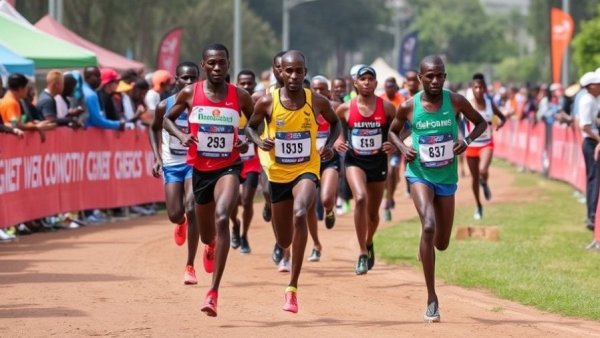
Collegiate athletes competing in track events with focus and energy.

A New Wave of Collegiate Talent: Celebrating Ja'Kobe Tharp and Adaejah Hodge

Every year in the world of collegiate athletics, standout performers emerge, capturing the attention of fans, coaches, and sports analysts alike. This year, two athletes have risen above the rest, claiming the coveted titles of Collegiate Outdoor Athletes of the Year—Ja'Kobe Tharp and Adaejah Hodge. But what makes their achievements not just noteworthy, but pivotal in the landscape of college sports?

Ja'Kobe Tharp: A Sprinting Sensation

Tharp, hailing from a legacy of top-tier sprinters, has redefined expectations in the 400-meter dash. His impressive speed and agility not only earned him individual accolades but also contributed significantly to his team's overall success. With a combination of strategic pacing and explosive power, Tharp's races have become a masterclass in sprinting.

What’s particularly compelling about Tharp's journey is his ability to push through adversity. According to his coach, Tharp’s relentless work ethic and mental fortitude allow him to learn from each race, whether he wins or not. This determination speaks volumes, especially in a sport where mental games often match physical prowess.

Adaejah Hodge: The All-Around Athlete

On the distaff side, Hodge stands out not just for her sprinting capabilities but also for her versatility on the track. Competing in the 100-meter hurdles and the 200-meter dash, she excels in multiple events, embodying a well-rounded athleticism that is rare at the collegiate level. Hodge's approach to training emphasizes cross-discipline skills, allowing her to adapt and thrive in various situations.

The broader implications of Hodge’s achievements cannot be overstated. She champions diversity in track and field, proving that excellence can manifest in multiple forms. This aspect of her identity not only inspires her teammates but also opens doors for future generations of athletes from diverse backgrounds who may not have seen themselves represented in the sport.

The Cultural Impact of Their Success

Tharp and Hodge's accolades resonate deeply within the collegiate athletics community. Their victories serve as reminders of the hard work and dedication that define sports culture. More importantly, they challenge the traditional narratives often associated with success in athletics, which can be steeped in privilege and access. Both athletes come from backgrounds that reflect a mix of perseverance and passion, and they embody the aspirational spirit present in collegiate sports.

Forging New Paths in Collegiate Sports

As Tharp and Hodge prepare for their futures—whether in professional athletics or another avenue—their impact extends beyond the track. They represent a new generation of athletes who are not afraid to confront established norms and push for representation and equity in sports. Their achievements nurture a sense of community among aspiring athletes and inspire ongoing conversations about the importance of inclusion in all levels of competition.

As fans and supporters, it’s essential to foster this dialog and advocate for the structures that support collegiate athletes. The victories of Tharp and Hodge are just the beginning of what’s possible when athletes not only excel but also use their platforms for greater change.

What’s Next for These Rising Stars?

Looking ahead, one can only speculate the heights Tharp and Hodge will reach in their careers. The collegiate sports landscape is constantly evolving, and these two young athletes are poised to play significant roles in shaping its future. Observers eagerly await how they will transition to professional competitions and continue to advocate for their communities.

Ultimately, their stories are reminders that the track is more than just a place for speed—it’s where dreams are chased, barriers broken, and legacies built. For fans, coaches, and budding athletes, Tharp and Hodge are icons to watch, as the world of sports adjusts and adapts to celebrate athletes who push the envelope of what is possible.

Track and Field

21 Views

0 Comments

Write A Comment

*
*
Please complete the captcha to submit your comment.
Related Posts All Posts
11.15.2026

Jane Hedengren's Absence Exposes the Biggest Issue in NCAA Cross Country

Update The Unstoppable Force: How Jane Hedengren Redefines Cross Country As the dust settles on the NCAA cross country regionals, a remarkable story emerges, not just about the athletes who ran, but about the one who didn’t: Jane Hedengren of BYU. Her absence at the Mountain Region competition raises critical questions about the very nature and structure of collegiate cross country.In 'Jane Hedengren Just EXPOSED NCAA XC's Biggest Problem... WITHOUT EVEN RUNNING?!', the video delves into the complexities of cross country competition, leading us to further examine its systemic issues and the pivotal role of standout athletes like Jane. A Unique Qualification Landscape The NCAA cross country playoffs almost seem to serve more as a formality than a true test for teams like BYU, which are stacked with talent. The Mountain Region, compared to others, barely skims the surface of competitive depth, with fewer teams vying for at-large bids. With potent forces like New Mexico standing strong, it’s fascinating to see how BYU strategically chose to hold out their star. This vital decision hints at an important reality in the sport—teams prioritize national championships over regional success. If you’re BYU, why risk an injury to your star runner when you’re strong enough to qualify without her? This brings to light the disparity in competition across regions. Small conferences struggle to gain recognition, while powerhouse teams scramble to avoid unnecessary risks. What It Means to Survive and Advance Jane’s absence at the regional race was a calculated move, designed to give her the preparation she needs for the main event: the national championships. While her teammates competed, the focus remains on what happens at the big dance. The question looms—is winning the regional championship all that significant? For teams with larger aspirations like BYU, the answer is a resounding no. Other programs like NC State and Tulane showcase the contrasting stakes of various programs. While Tulane's success is monumental for their athletic department, it begs the question: Is that the standard we should set? In the cutthroat world of collegiate athletics, surviving the regionals is all that matters for many. Brighter Horizons for Cross Country What if we are undermining an incredible aspect of cross country? Is the pressure to perform during regionals a necessary aspect of the sport, or merely a trivial obstacle? The structure often leads athletes and coaches to take a backseat when it comes to the regional championships. The majority of teams competing risk it all, knowing the national title is where the glory truly lies, while moderately performing teams merely aim for survival. This lack of fanfare for regionals can diminish the event entirely. Shouldn’t athletes be rewarded and celebrated for their tenacity at this level? The Game Changer Effect of Jane Hedengren Even without running, Hedengren's name continues to capture attention, setting the stage for intriguing narratives. At the national championships, she's expected to showcase her elite fitness and racing strategy, ensuring all eyes are on her. The buzz surrounding her suggests that her impact transcends the sport, echoing the societal dynamics at play as talented athletes navigate their paths to success. Fans and critics alike are eager to watch how she performs, as people recognize that her status isn't just about winning; it's about fostering excitement around the sport and sparking discussions about its future. Cross Country Needs a Cultural Shift In a sport that often fails to attract mainstream attention, what must change to elevate cross country? It’s time the culture shifts—from merely surviving the regionals to making every race count. Competition should be fiercely celebrated, from the smallest meets to the national stage. Could this be the catalyst for a turning point for cross country? As fans, athletes, and coaches rally around figures like Jane, we need to question how we can push the envelope further and promote a new standard of excellence. By value-adding regional competition, we can make cross country a more engaging sport that garners interest and passion from all sides. This is not just about running fast; it’s about how we create a legacy for future generations of athletes. As the national championship looms ahead, let’s keep the discussions going and advocate for a sport that prioritizes both the journey and the finish line.

11.14.2026

Kenya's Dominance: A Deep Dive into NCAA Cross-Country's Import Explosion

Update Kenya Dominates NCAA Cross-Country Scene The landscape of NCAA cross-country is undergoing a seismic shift, particularly with the emergence of foreign athletes, notably from Kenya. As the NCAA has evolved with significant money infusion through NIL (Name, Image, Likeness) deals and the formation of super-conferences, the increase in international representation has become strikingly evident. More than ever, collegiate athletes from outside the U.S. are not merely participants; they are dominant forces. Statistics That Speak Volumes Recent statistics indicate that a staggering 38% of the top 50 finishers in the 18 NCAA Division I regionals hailed from outside the United States. When dissecting these numbers further, the findings reveal a profound Kenyan influence. Out of the 900 finishers, an impressive 169 were Kenyan, comprising around 19%. These numbers aren’t just numbers; they’re a testament to Kenya's intense focus on distance running. The Kenyan Influence: A Closer Look Digging deeper, the gender breakdown tells its own story. Among the top 50 male finishers, 160 were foreign athletes—36% of the total. Of those, 80 were Kenyan, making up approximately 18%. On the women’s side, that figure jumps slightly to 20%, with 89 out of 450 women in the top 50 being Kenyan. This consistent dominance suggests there’s something special about the training, culture, and approach that Kenyan athletes bring to the sport. Not Just Numbers: Impact on Competitive Landscape The influence of Kenyan runners extends beyond sheer quantity. At the regional championships, they claimed 72% of the individual titles. The staggering statistic that 38 out of the top 54 finishers in the top 3 across all regions were Kenyan illustrates not only athletic prowess but also the strategic advantage they possess. With an influx of Kenyan athletes into NCAA programs, American athletes—while talented—are facing an uphill battle. The Freshman Phenomenon An intriguing aspect of this data is the influx of Kenyan freshman. They have made a substantial mark, comprising over half of Kenyan top-10 finishers. For instance, in the combined men’s and women’s top 10, Kenyan freshmen accounted for an astounding 52%. This emerging trend brings a new level of competition and excitement, challenging North American athletes to up their game. Future Outlook: Implications for American Runners As the presence of foreign athletes continues to grow, the cultural implications for NCAA sports are profound. American runners are required to adapt not only to the competition but also to the evolving landscape of college athletics infused with global perspectives. How institutions react to this change will define the future of collegiate athletics. Will they utilize this diversity to enhance performance or struggle to keep pace? Call to Action: Engage & React As we see the rise of foreign competitors in collegiate athletics, particularly those from Kenya, it's crucial for fans and participants alike to engage with this narrative. Whether you are a coach, athlete, or fan, understanding the competitive implications and cultural integration of these athletes will enrich your appreciation of the sport. Stay informed, follow the numbers, and witness the evolution of NCAA cross-country.

11.14.2026

Can Noah Lyles and Melissa Jefferson Make History with a Sprint Quadruple in 2027?

Update Chasing History: Noah Lyles and Melissa Jefferson's Road to a Sprint Quadruple In the world of sprinting, two names are shining brighter than the rest—Noah Lyles and Melissa Jefferson (formerly known as Melissa Wooden). With their impressive recent performances, they represent the pinnacle of talent in track and field today. As we look ahead to the 2027 World Championships, the stage is set for these athletes to potentially achieve what no sprinter has before: a sprint quadruple. This article examines the implications of this historic opportunity and how it could redefine their legacies.In 'Noah Lyles & Melissa Just Got a HISTORIC Opportunity... And Usain Bolt NEVER Had It?!', the discussion dives into the emerging sprinting talent and the unprecedented opportunity they may encounter in the 2027 World Championships. Unprecedented Achievements Inspired by a New Schedule In a bold move, the 2027 World Championship schedule has paved the way for the sprint quadruple—a once-in-a-lifetime challenge that could elevate Noah and Melissa into stratospheric heights within the sport. The term "sprint quadruple" refers to winning gold in four events: the 100 meters, 200 meters, and both the 4x100 meter relays. While this modern achievement comes with high expectations, both athletes have already demonstrated their capacity to perform at the world stage, delivering consistent gold medal-winning performances in previous competitions. Building a Legacy: The Context of Past Champions Noah Lyles has proven his proficiency in sprinting not only through his victories but by setting a standard for excellence. When discussing legacies, Usain Bolt consistently shadows discussions as the irrefutable icon of professional sprinting. However, what if Lyles could achieve something Bolt never managed, such as winning four gold medals in a single championship? The impact of such an accomplishment would undeniably shift the perception of greatness in sprinting history. A Fearsome Competitor: Melissa Jefferson's Rise Equally impressive, Melissa Jefferson has surged ahead in the rankings, claiming multiple championship titles in various marquee events. Her strength on the track positions her as a contender capable of making history alongside Lyles at the upcoming World Championships. With her remarkable performances, the anticipation around her capability to achieve a sprint quadruple ignites hope among fans and competitors alike. Can They Actually Do It? The Challenges Ahead The road to a sprint quadruple presents unique challenges, particularly in assembly a competent relay team that can match the individual performance levels expected among competitors. As the American women have shown tremendous prowess in the 4x1, rallying around a strong group could be their ticket to success; however, it remains to be seen if individual stars like Lyles and Jefferson would take on the relay in a bid for such an expansive achievement. The Mixed 4x1: A New Factor to Consider Interestingly, with the introduction of a mixed 4x100 meter relay, the door opens wider for historical moments in track and field. Although the mixed relay event is less established, it creates opportunities for sprinters to showcase their versatility and skills. If both athletes can collaborate effectively, they might add this unique category to their already impressive resumes—a tantalizing prospect. What's Next for Track and Field Greatness? As we prepare for an exciting future in track and field, fans and athletes alike need to consider how the evolving nature of the sport and its schedule play into new strategies. The Olympic Games will loom on the horizon in 2028, leading many to question whether Lyles and Jefferson will prioritize their efforts at the World Championships or save their best for the Olympics. The balance of performance for both events becomes not just a matter of speed but also of strategic foresight. Whether Lyles and Jefferson manage to achieve the sprint quadruple will not only redefine their careers but also challenge the fabric of sprinting records in general. Their pursuit of history is a reflection of what it means to be at the top of your sport and inspires the next generation to think bigger. If you want to keep up with the fastest athletes, this article only scratches the surface of what’s to come. With every advancement, whether it's a new champion or a record, the excitement of track and field continues to highlight its enduring legacy. Keep watching, and don’t forget to share your thoughts in the comments!

Passion For Sports

Stay Ahead of the Game: Your Ultimate Media Hub for Swimming, Track, Gymnastics, and Wrestling!

COMPANY

  • Privacy Policy
  • Terms of Use
  • Advertise
  • Contact Us
  • Menu 5
  • Menu 6

864 535 6456

AVAILABLE FROM 8AM - 5PM

ABOUT US

At our media site, we are passionate about delivering the most up-to-date news in the realms of swimming, track and field, gymnastics, and wrestling. Our commitment extends beyond the USA, reaching an international audience eager for the latest developments in these dynamic sports. We strive to highlight not only major competitions and events but also the inspiring stories of athletes and teams from around the world. By offering in-depth analysis, interviews, and real-time updates, we aim to engage fans and foster a deeper appreciation for these athletic disciplines. Join us as we celebrate the spirit of competition and achievement!

© 2026 CompanyName All Rights Reserved. Address . Contact Us . Terms of Service . Privacy Policy

Terms of Service

Privacy Policy

Core Modal Title

Sorry, no results found

You Might Find These Articles Interesting

T
Please Check Your Email
We Will Be Following Up Shortly
*
*
*