
cropper
Passion For Sports
The Coaches Corner
  • Home
  • Categories
    • Track and Field
    • Swimming
    • Wrestling
    • Gymnastics
  • Coaching Corner
August 25.2026
3 Minutes Read

Mastering Streamlined Positioning: A Key to Athletic Success

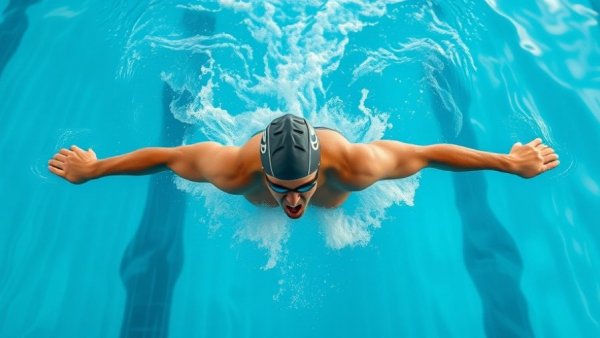
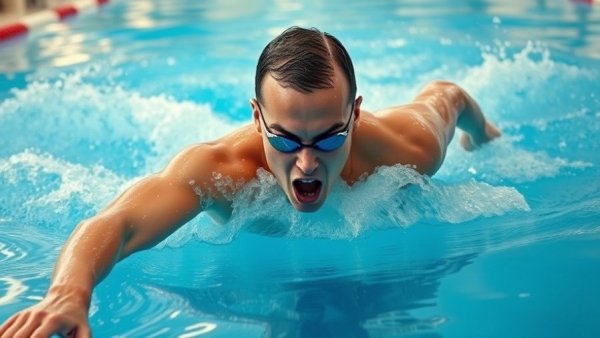
Swimmer in streamlined position focused on technique in a pool.

Why Positioning Matters in Sports

In the world of athletics, the difference between a perfect performance and a missed opportunity often comes down to the little things—like how you position your body before executing a technique. Whether you're a swimmer preparing for a dive, a wrestler setting up a throw, or a gymnast gearing up for a routine, taking a moment to establish a streamlined position can be a game-changer. This technique isn't just about aesthetics; it sets the stage for success in practice and competition alike.

The Mechanics Behind Streamlined Positioning

In essence, a streamlined position reduces drag and improves efficiency. In swimming, for example, a well-executed streamlined position allows athletes to cut through the water with minimal resistance. But this principle transcends just swimming; it applies to wrestling and gymnastics too. When weight is balanced and limbs are aligned properly, it enhances control and agility, enabling athletes to twist, turn, and pivot more effectively. Proper positioning can be the difference between gliding effortlessly through the water and struggling against it, or smoothly executing a complicated routine versus faltering under pressure.

Drawing Parallels: Aerospace Engineering Principles

Surprisingly, the concept of streamlined positioning shares similarities with aerospace engineering. Just as planes are designed to minimize air resistance, athletes adopt a streamlined position to counteract the forces against their movement. This lends insight into how competitive sports can mirror complex systems of engineering—a fascinating perspective for serious athletes. Understanding these principles not only inspires athletes to perfect their techniques but also highlights the scientific foundation underlying their actions, potentially leading to a greater appreciation for the sport itself.

Emotional Connection: The Athlete’s Mindset

Positioning is not merely a physical act; it impacts the mindset of the athlete. Knowing that you're set correctly before taking action can instill confidence, reduce anxiety, and improve focus. Athletes often emphasize the mental game just as much as the physical, making the understanding of streamlined positioning not only about winning but about fostering a robust mindset for competition. Taking the time to prepare yourself mentally can transform your approach, making you more resilient when facing challenges during an event.

What Coaches Should Emphasize

Coaches play a pivotal role in shaping the practices of athletes, and teaching the importance of a streamlined position can greatly benefit performance. Highlighting drills that focus on body alignment before executing techniques can create lasting muscle memory. Coaches should encourage athletes to visualize the streamlined position and understand the implications of their body mechanics while training. By emphasizing these foundational skills, coaches prepare athletes to handle competitive pressures more effectively and foster a culture of precision and discipline within their teams.

Future Implications for Training Modern Athletes

As technology evolves, so will training methods. Incorporating data analytics and biofeedback can enhance the understanding of how positioning affects performance. Athletes can learn in real-time how small adjustments lead to substantial improvements in their technique. Future training could see athletes literally stepping into a virtual environment where they can practice positioning without the fear of failure, revolutionizing how the streamlined position is integrated into training. Such advancements not only improve individual skills but can also elevate entire teams, making the competitive edge increasingly reliant on a thorough understanding of these concepts.

Practical Takeaways for Athletes

For every athlete and coach, the key takeaway is to prioritize and continuously practice streamlined positioning. Consider implementing targeted training sessions that emphasize this skill, allowing for both self-assessment and peer feedback. It can be beneficial to record practice sessions to identify moments where positioning may falter. This practice can provide concrete insight into areas for improvement, ultimately leading to enhanced performance.

Conclusion: Take Action for Improvement

For both athletes and coaches alike, understanding and practicing streamlined positioning can lead to significant performance improvements. As you prepare for your next competition, take that critical moment to reach into a streamlined position. Trust in the power of preparation, and see how small adjustments can lead to big victories. Now, it's time for you to apply these insights and observe how remarkable changes can elevate your performance to the next level!

Swimming

19 Views

0 Comments

Write A Comment

*
*
Please complete the captcha to submit your comment.
Related Posts All Posts
11.24.2026

How Cam McEvoy Redefined Sprint Freestyle with the Dawn Award

Update Revolutionizing Sprint Freestyle: The Cam McEvoy Effect In the evolving world of athletics, few athletes have revolutionized a sport quite like Cam McEvoy. By daring to break from traditional training norms, McEvoy's innovative methods have propelled him to brand-new heights in the 50m freestyle. This month, he received the prestigious Dawn Award at the Sport Australia Hall of Fame Awards Night, a recognition that not only honors his achievements but also celebrates his role in changing perceptions in competitive swimming. McEvoy’s unorthodox approach to training, which emphasizes a potent combination of scientific strength training with a significantly reduced swimming volume, has drawn both intrigue and controversy. His decision to swap a hefty training load of 50-60 km per week for only 1.5 to 2 km has shocked traditionalists but yielded extraordinary results. In fact, in 2024, McEvoy became the first Australian man to win Olympic gold in the 50m freestyle, shattering the world record in the process. Sharing Knowledge: The Legacy of the “Dawn Award” By earning the Dawn Award—named in honor of the legendary Dawn Fraser—McEvoy has not only made history as the first recipient of this honor but has also successfully leveraged his platform to share insights with fellow athletes and coaches. Fraser, who expressed her pride in McEvoy’s achievements, embodies the spirit of what the award represents: courage, change, and dedication. McEvoy’s philosophy reflects a crucial societal shift in not only pursuing athletic excellence but also ensuring mental well-being. Changing Attitudes in Competitive Swimming Cam identifies a concerning trend where many swimmers exit the sport burdened by resentment due to traditional high-volume training methods. He passionately advocates for a new training ideology that prioritizes passion and personal growth alongside competitiveness. In his acceptance speech, he noted the alarming rate of athletes leaving with their dreams tarnished by outdated practices—a reality he aims to change through his revolutionary approach. Future Predictions: What Lies Ahead for Swimming? The swim community is watching with expectant eyes as McEvoy heads to the World Short Course Championships in Beijing. His performances in the upcoming meets may further define his legacy and could signal a broader acceptance of innovative training approaches across various athletic disciplines. With public support for athlete wellness growing, his success may encourage a movement towards more balanced and fulfilling training regimes. Tools and Techniques: What Coaches Can Learn from McEvoy Coaches and athletes can glean valuable lessons from McEvoy's journey. His focus on power lifting and scientifically-backed strength training provides a model for breaking from convention. This shift could lead to enhanced performance and longevity in sports. As athletes increasingly seek fulfillment alongside competition, embracing diversified training methods can inspire the next generation of champions. Cam McEvoy embodies a fresh perspective in swimming—a narrative that intertwines performance with passion, scientific inquiry with traditional coaching, and personal fulfillment with competitive success. His achievements and philosophy are paving the way for a new dawn in elite sports, where ensuring the mental health of athletes becomes just as crucial as the medals they pursue. As the world awaits his next races, let’s remember that the most significant victories may not just be seen in records broken, but in the balance created within the sport itself. Let’s cheer for the changes within, as much as those celebrated outside. Are you inspired by McEvoy's innovative spirit? How might you apply his strategies in your athletic endeavors or coaching techniques? Embrace a new perspective in sports today!

11.24.2026

Unlock Your Swimming Potential with Pull, Breathe, Kick, Glide Techniques

Update Mastering the Basics: Pull, Breathe, Kick, Glide Swimming is often likened to dancing in water. The grace, the technique, and the rhythm all combine to create a mesmerizing performance. But at its core, swimming is about mastering a few fundamental skills. The mantra: pull, breathe, kick, glide is not just a series of commands; it’s a sequential strategy that can elevate your performance, whether you’re an amateur swimmer or a competitive athlete. Breaking Down Each Element The first step, pull, involves your arms working in harmony with your body. During each stroke, transitioning smoothly ensures that you maintain momentum. Swimming isn’t just about strength; it’s about precision. Every pull should be calculated, harnessing the maximum amount of water without unnecessary resistance. As you draw your arms back, feel the water’s grip. This is where power meets technique. Next comes breathing, a critical yet often overlooked component. Many swimmers struggle to incorporate breathing seamlessly into their strokes. Proper rhythm is crucial; too much emphasis on gasping for air can disrupt the flow. The best swimmers make it look effortless, integrating their inhale with their strokes. It’s a dance where timing is everything—get it right, and you glide effortlessly through the water. As we move to kicking, this phase amplifies propulsion. Kicks are not just mere movements; they should serve to enhance your speed. A common mistake is over-kicking, which can lead to fatigue. Instead, focus on small, controlled kicks that align with your pulls and breaths. This creates a streamlined position that minimizes drag and maximizes efficiency. The Glide: The Unsung Hero Finally, let’s talk about gliding, perhaps the most underrated skill in swimming. Post-stroke, when you glide, you capitalize on the momentum you've built. It is this phase where the body balances, allowing the swimmer to conserve energy while maintaining speed. Integrating glides effectively into your routine can transform how you approach distances in any swim. Connecting to the Bigger Picture: Swimming as a Metaphor But why stop at physical performance? The principles of pull, breathe, kick, and glide can apply well beyond the pool. Think about life’s challenges: the way we tackle tasks mirrors these skills. Pulling represents our drive and ambition, breathing symbolizes the moments we need to pause and reflect, kicking signifies the effort we exert, and gliding embodies the grace with which we navigate difficult times. Understanding that can change the way we approach not just swimming but every endeavor we undertake. Future Trends in Swimming Training As the sport evolves, training methodologies are also shifting. Swim tech, like apps measuring your stroke efficiency, provides real-time feedback, enhancing training intensity. Coaches are employing video analysis to underline mistakes in the pull-breathe-kick-glide sequence, leading to more personalized training regimens. The future intertwines technology with tradition, allowing athletes to refine technique in unprecedented ways. Why This Matters to You Understanding and mastering the basics in swimming is pivotal. Whether you’re doing it for fun or aiming for the top, refining these core elements will allow you to maximize your potential in the water. Don’t underestimate the beauty in simplicity. By pooling your efforts into mastering these basics, you set yourself up for greater success in competitions or leisure swimming alike. Final note: Embrace the joy of swimming. Each pull, glide, kick, and breath is an opportunity to improve—get out there and show the water what you’ve got!

11.23.2026

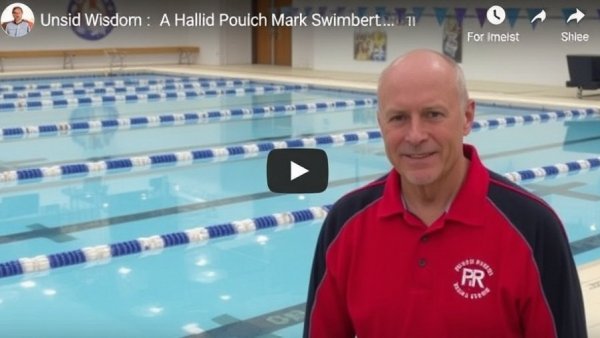
Dive into Coaching Excellence: Insights from Hall of Fame Coach Mark Schubert

Update Uncovering the Legacy of Coach Mark Schubert The world of competitive swimming has seen its fair share of legendary figures, yet few stand as tall as Mark Schubert. As the inaugural feature of Chuck Warner’s ‘Unsaid Wisdom: A Swim Coach’s Life’ series, Schubert has opened the doors to his storied career, allowing us to glean valuable insights from the mind of one of the sport's greatest coaches. What drives someone who has achieved so much? What lessons can burgeoning swimmers and coaches extract from his years on the deck? A New Era of Coaching Philosophy Schubert's approach transcends traditional coaching methods, tapping into the psychology of athletes. He believes that understanding an athlete's mental state is as crucial as developing their physical prowess. By fostering an environment that promotes both mental and emotional growth, Schubert has redefined the metrics of coaching success. His unique style emphasizes resilience, teamwork, and the overall character development of swimmers, preparing them for challenges within and beyond the pool. Historical Context: Evolution of Swimming Coaching To understand Schubert's impact fully, one must consider the evolution of swimming coaching over the decades. In the past, coaching was often more authoritarian, with a focus on achieving immediate results. In contrast, Schubert represents a generation shifting toward mentorship and empowerment, fostering a deeper connection with athletes. This change reflects a broader movement in sports that prioritizes mental health and personal growth in tandem with performance. Common Misconceptions About Coaching Styles The landscape of coaching is often riddled with misconceptions, particularly regarding what effective leadership looks like. Many believe a coach must be strict and regimented to succeed. However, Schubert's career serves as a reminder that flexibility and emotional intelligence can yield just as fruitful results. His coaching ethos invites coaches to rethink their methodologies, adapting to the needs of their athletes rather than conforming to outdated paradigms. Future Trends in Competitive Swimming Coaching The insights shared by Schubert hint at exciting possibilities for the next generation of coaches. As the swimming community increasingly embraces analytics and technology, there’s a growing opportunity for coaches to leverage data in conjunction with personal insights. The future of coaching may very well lie in blending traditional training with advanced psychological strategies and innovative tools. Join the Journey – More to Come Schubert's story does not end here. As Warner's series unfolds, we will hear more about not only the triumphs but also the tribulations that have shaped him. Athletes, coaches, and enthusiasts alike should stay tuned as these episodes unfold, revealing lessons that go well beyond swimming. So, what does this mean for you as a coach, athlete, or admirer of the sport? It’s a call to embrace a new narrative—one that values personal growth, adaptability, and emotional well-being just as much as technique and athlete performance. The wisdom imparted by Schubert is more than just a glimpse into a Hall of Fame career; it’s a toolkit for the future of sports coaching. Will you take the first step towards redefining your coaching approach? Take a seat as we dive deeper into the reflections and strategies shared in this series. The pool of knowledge awaits, and it’s time to swim in its depths!

Passion For Sports

Stay Ahead of the Game: Your Ultimate Media Hub for Swimming, Track, Gymnastics, and Wrestling!

COMPANY

  • Privacy Policy
  • Terms of Use
  • Advertise
  • Contact Us
  • Menu 5
  • Menu 6

864 535 6456

AVAILABLE FROM 8AM - 5PM

ABOUT US

At our media site, we are passionate about delivering the most up-to-date news in the realms of swimming, track and field, gymnastics, and wrestling. Our commitment extends beyond the USA, reaching an international audience eager for the latest developments in these dynamic sports. We strive to highlight not only major competitions and events but also the inspiring stories of athletes and teams from around the world. By offering in-depth analysis, interviews, and real-time updates, we aim to engage fans and foster a deeper appreciation for these athletic disciplines. Join us as we celebrate the spirit of competition and achievement!

© 2026 CompanyName All Rights Reserved. Address . Contact Us . Terms of Service . Privacy Policy

Terms of Service

Privacy Policy

Core Modal Title

Sorry, no results found

You Might Find These Articles Interesting

T
Please Check Your Email
We Will Be Following Up Shortly
*
*
*