

Rethinking Effort in Competitive Sports
When we think about success in athletics, we often equate it with relentless effort and hard work. But what if I told you that refining strategy and technique could yield better results with less strain? As athletes and coaches, it’s vital to rethink our approach to effort, specifically in how it relates to performance and training. The essence of optimal performance resides not merely in hours logged but in how smartly we engage with our training regimens. This perspective is increasingly relevant in today’s competitive sports landscape, where burnout is an all-too-common concern.
Debunking the Myths of Hard Work
It’s a classic trope in sports: the harder you work, the better you perform. Yet we see time and again that some of the best athletes—think of icons like Usain Bolt—achieve extraordinary results with what appears to be minimal effort. This raises questions about the validity of the traditional grind mentality. Could we be refining our techniques, focusing on recovery, or adjusting our mindset to achieve peak performance? Understanding this could free young athletes from the burdens of burnout and overtraining, allowing them to enjoy their sports more fully.
The Power of Technique Over Tenacity
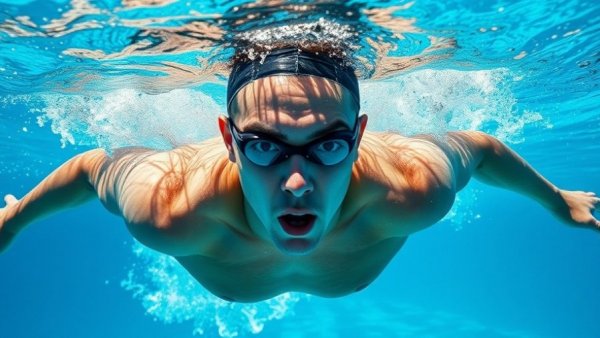
In sports like gymnastics and swimming, technique is paramount. A gymnast executing a flawless routine demonstrates not only immense skill but also a deep understanding of physics and body mechanics. Similarly, in swimming, a slight alteration in stroke can lead to improved timings and efficiency. Emphasizing technique encourages athletes—particularly younger ones—to focus on what truly matters. Less is often more; quality training sessions can lead to faster improvements than endless repetitions of flawed movements. Thus, a shift towards mastering technique can redefine an athlete's career trajectory.
Integrating Technology for Enhanced Training
Modern technology plays a significant role in reshaping how athletes train. Wearable sensors, video analysis tools, and other tech innovations provide insights into performance and technique. For instance, data analytics can reveal the optimal load for an individual, emphasizing the importance of tailored workouts that adjust to the needs of the athlete. The adoption of apps that monitor heart rate and recovery can enhance training outcomes while minimizing stress on the body. Athletes can track their progress, adjust techniques, and recover effectively without straining their bodies unnecessarily, making technology a crucial ally in the quest for higher athletic performance.
Lift the Pressure from Young Athletes
As parents and coaches, it’s our responsibility to guide young athletes toward sustainable practices. Promoting a culture that values mastery over mere hustle can drastically alter their experience. Encouraging a balance between competitive spirit and enjoyment fosters resilience and longevity in sports. They should know that intensity is not about sheer effort but about the strategic application of their strengths. This approach not only leads to better performance outcomes but also ensures that athletes remain engaged and excited about their sport.
Fostering a Growth Mindset
Finally, cultivating a growth mindset is crucial. Athletes who embrace challenges, learn from feedback, and find inspiration from others tend to achieve greater heights. They understand that hard work includes smart work. This framework encourages frequent reflection and adaptation, allowing athletes to navigate setbacks without losing motivation. Encouraging this perspective can instill lifelong habits beneficial in sports and beyond. A growth mindset also enables athletes to appreciate the process of learning and improvement, which is essential for their development.
Conclusion: Reshape the Narrative
In summary, as we reexamine the relationship between effort and results in athletics, it becomes clear that redefining our measures of success is more than just philosophical. Embracing smarter, more effective training practices not only shapes better athletes but also encourages joy and sustainability in their sports journeys. This shift in perspective is essential in fostering a new generation of athletes who are not just skilled players but also intelligent, strategic sportspeople. It’s time to shift the narrative: less effort could indeed lead to a better catch!




Write A Comment