
Your Breath: The Unseen Influence on Body Position
Have you ever considered how your breathing might impact your posture? While it may seem like a minor detail, the connection between breath and body alignment is profound, especially for athletes seeking peak performance. Understanding this link can unlock new levels of efficiency in sports, making it imperative for athletes, coaches, and enthusiasts to explore.
The Basics of Breath and Body Mechanics
Breathe, and the body moves—it's as simple as that. When you inhale, your diaphragm expands, pushing your abdomen outward. This natural movement supports your spine and creates a stable base. However, subconscious habits and stress can alter your breathing patterns, leading to tension in the upper body, poor posture, and eventual injury. Recognizing the signs of inefficient breathing is the first step toward correcting your form and enhancing your overall athletic performance.
How Poor Breathing Affects Performance
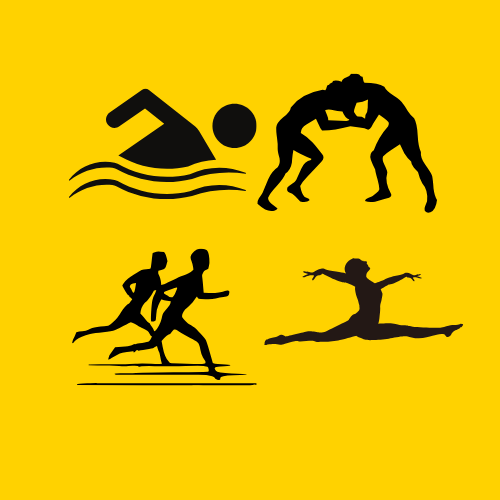
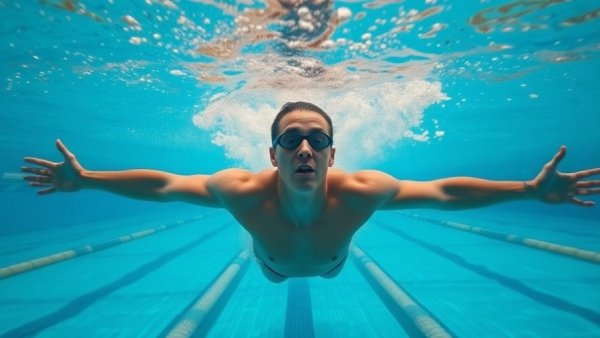
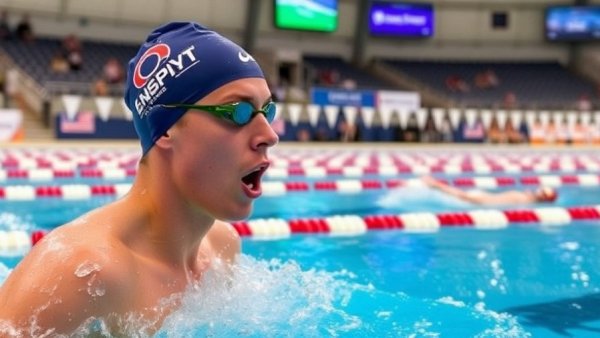
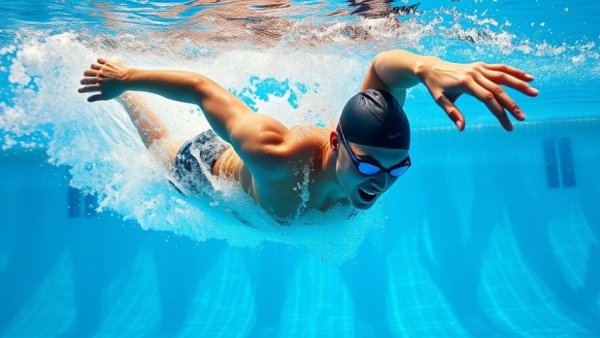
When athletes breathe ineffectively, it can lead to stiffness and misalignment that not only impact performance but also increase injury risk. Take a swimmer, for example—their ability to maintain a streamlined position in the water heavily depends on their breath control. Shallow breathing can cause tension in the chest and neck, disrupting their stroke and overall flow. This is not just a challenge for swimmers; runners, gymnasts, and wrestlers also face similar issues, where the synergy of breath and movement becomes vital.
Simple Techniques to Optimize Your Breathing
Enhancing body position through breath control can be achieved through conscious practices. Techniques like diaphragmatic breathing promote better posture and relaxation, helping athletes maintain stability in their sports. Here's how you can implement it:
- Diaphragmatic Breathing: Sit or lie down comfortably. Place your hand on your diaphragm and feel it rise and fall as you breathe deeply through your nose.
- Extended Exhalation: Focus on exhaling longer than you inhale. This not only calms your mind but encourages the diaphragm to engage more, fostering better body alignment.
- Breathing Exercises: Incorporate breathing exercises tailored to your sport. For example, runners can practice rhythmic breathing, coordinating breaths with their steps for enhanced performance.
The Role of Coaches in Implementing Breathing Techniques
Coaches play a pivotal role in shaping athletes' habits and can significantly impact how they implement breathing techniques. Educating teams about the correlation between breath and body mechanics allows them to cultivate better practices from an early age. Coaches should prioritize breathing drills during warm-ups or integrate them into existing training routines to enhance their athletes’ flexibility and stability.
The Bottom Line: Don’t Underestimate the Power of Breath
It’s clear that the significance of breathing extends far beyond relaxation techniques. Athletes must acknowledge how their breath can influence everything from their body position to their performance levels. Addressing these often-overlooked aspects can lead to improved results and longevity in sports. So, the next time you step onto the field or mat, remember: your breath is a powerful ally.
Take Action and Empower Yourself
To all athletes and enthusiasts: start paying attention to your breath today. The journey to improved performance and injury prevention begins with understanding how this essential act can affect your body altogether. Make the small adjustment towards enhanced breathing and notice the significant shifts in your athletic prowess!



Write A Comment