
cropper
Passion For Sports
The Coaches Corner
  • Home
  • Categories
    • Track and Field
    • Swimming
    • Wrestling
    • Gymnastics
  • Coaching Corner
November 10.2026
3 Minutes Read

Exploring Caeleb Dressel's Social Media Journey: What It Tells Us

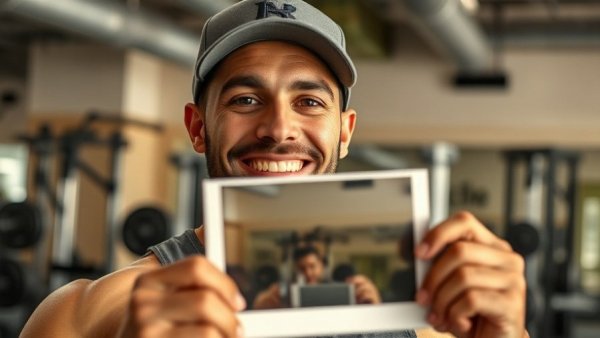
Caeleb Dressel Social Media Insights: man in gym with photo.

A Peek into the Social Media of Young Athletes

In the era of social media, every click, snap, and share can send waves of impact through an athlete's career—and Caeleb Dressel exemplifies this reality. The Olympic swimmer’s recent video, “Is My Social Media This Good?!,” dives deep into his past posts, uncovering not only his personal growth but also the nuances of public perception on digital platforms. As Dressel reflects on his old Instagram posts, he highlights the balance between staying true to oneself and navigating the pressures of online representation.

In 'Is My Social Media This Good?!', Caeleb Dressel takes us on a nostalgic journey through his past Instagram posts, exploring the lessons learned and the importance of authenticity in the world of sports.

Is Curating Digital Footprints Vital for Athletes?

As the video unfolds, Dressel candidly assesses his own social media presence, coming across moments filled with nostalgia and awkwardness. His humorous commentary serves as a reminder for athletes and sports enthusiasts alike—the social media narratives we curate are as impactful as the performances we deliver in arenas.

But how much should athletes worry about their digital footprints? The answer lies somewhere between authenticity and professionalism. Social media isn’t just a platform for fame; it’s a marketing tool that can significantly impact an athlete’s brand image. Therefore, maintaining a balance between personal expression and audience appeal is essential.

Lessons on Personal Branding

What resonates strongly from Dressel’s video is the notion of personal branding. The swimmer mentions posts that made him feel positive, such as one featuring him at an antique shop with Baby Yoda. These moments transcend mere snapshots—they encapsulate personal stories and emotional connections that his supporters can relate to. It prompts athletes to ask themselves: What narrative do I want to curate? The fun and relatable or the strictly professional?

Notably, the piece highlights how athletes, at times, have a hard time reconciling their public personas with personal experiences—the red boots, raccoon hat, and moments with family and friends offer a glimpse into Dressel's life beyond the swim meet. For aspiring and current athletes, this underlines the importance of authenticity. Sharing genuine moments may enhance relatability, ultimately fostering a stronger connection between athletes and their audience.

Social Media and Mental Health

Although social media can be a powerful platform for engagement, it carries a darker side, particularly for those in the limelight. Dressel's reflection on certain posts opens a conversation about mental health in sports. From the pressures of maintaining an ideal image to dealing with public scrutiny, athletes might struggle with the impact of social media on their mental health.

By openly sharing his thoughts and hesitations surrounding various posts, Dressel invites empathy from his audience and normalizes the conversation about vulnerability in digital spaces. Athletes must be encouraged to prioritize mental well-being and create boundaries when engaging with online platforms, ensuring that they’re not unduly affected by external approval.

Connecting to a Broader Narrative

The humorous yet introspective journey through Dressel’s social media encapsulates broader societal issues that extend beyond sports. The scrutiny athletes face online parallels the experiences of many individuals navigating life in the public eye today. How we present ourselves digitally often influences not just how others perceive us, but also how we perceive ourselves.

As athletes position themselves on these platforms, their role crosses into societal dynamics—addressing cultural perceptions, lifestyle trends, and personal milestones that resonate deeply with their followers. Ultimately, this conversation isn’t just about what to keep or delete; it’s about understanding the value of every post in expressing one's journey.

As we look into the digital lives of our favorite athletes, we should reflect on how each snapshot fits into a larger narrative of personal growth and connection. In the grand scheme, every post potentially defines our identity.

Keep Your Digital Presence Authentic

In “Is My Social Media This Good?!,” Caeleb Dressel encourages all of us, both athletes and fans, to embrace our authentic selves. As we navigate social media's vast landscape, let us strive for authenticity, positivity, and connection. It’s more than about keeping track of likes; it’s about celebrating individuality.

Take a moment today to review your online presence, think about the stories you're sharing, and always remember to keep it real—even if it features a raccoon hat.
Swimming

1 Views

0 Comments

Write A Comment

*
*
Please complete the captcha to submit your comment.
Related Posts All Posts
11.10.2026

Kentucky Swimming Welcomes Brinkleigh Hansen: Rising Star for 2028

Update Brinkleigh Hansen: A New Era for Kentucky Swimming The University of Kentucky has made waves in the swimming world with the verbal commitment of Brinkleigh Hansen, a standout racer from St. Petersburg, Florida, set to join the Wildcat family in Fall 2028. As one of the top recruits in her class, Hansen is poised to leave an indelible mark on UK swimming, bringing extraordinary talent and national competition experience. Pushing Boundaries: Fastest Times and Future Potential Hansen has already established herself as a force to be reckoned with, showcasing some of the fastest times for her cohort while competing at the highest levels. Her impressive times—4:38.51 in the 500 free and 9:38.87 in the 1000 free—demonstrate not just raw speed, but a promising future that has drawn the attention of this storied program. Beyond just these metrics, Hansen embodies the ethos of determination and excellence that Kentucky is eager to cultivate within their swimming team. A Family Tradition of Excellence The Hansen legacy is not just a personal achievement; with older sister Karrington currently swimming for UK, the commitment feels like the continuation of a family tradition rooted in dedication and resilience. This familial connection brings an added layer of excitement and anticipation for both Hansen and the Wildcats as they prepare for the upcoming seasons. Such transitions often foster a closer bond within the team, creating synergy that can lead to greater success as they strive for accolades. The Importance of Coaching and Community Support Hansen's heartfelt announcement of her commitment underscores the impact of a supportive environment. She expresses gratitude to her family, coaches, and teammates, highlighting the importance of community in achieving individual and collective goals. This aspect is echoed throughout the sports world; when athletes find their supportive allies, it builds a foundation for sustained success, both on and off the pool deck. Looking Ahead: Predictions for Kentucky Swimming With Hansen slated to join the Wildcat team, the future looks bright for UK swimming. Analysts are already speculating how her arrival might shift the dynamics in the SEC, especially after Kentucky's 12th-place finish at the 2026 championship. Her performances suggest that she would have ranked among the top contestants at recent SEC and NCAA meets. The infusion of such talent could ignite a new competitive spirit and place Kentucky back in the conversation as a powerhouse program. Actionable Insights for Aspiring Athletes For young swimmers and their families, Hansen’s journey serves as a powerful inspiration. Her story reminds them that commitment, perseverance, and community support can unlock doors to elite competition. Future athletes should focus on maintaining a strong work ethic, seeking out mentorship from coaches, and finding balance in their training to achieve their own ambitions. Building a support network similar to Hansen's could greatly enhance their development. As Hansen embarks on this journey to Kentucky, the swimming community watches with keen interest to see how this commitment transforms her career and the future of Kentucky’s swimming program. For fans and aspiring athletes alike, her journey symbolizes the dedication required to excel and the importance of not just what you achieve, but who you achieve it with. If you have a commitment to share, please send a photo and quote via email to hs@swimmingworld.com.

11.10.2026

Breathing Frequency: How Often Should You Breathe to Optimize Athletic Performance?

Update Your Breathing Frequency: A Game Changer It's time we talk about something that may seem trivial, yet has monumental implications for your athletic performance: breathing frequency. While you may think that breathing is instinctive, understanding how often and how deeply you should breathe can optimize your performance and recovery. Athletes, coaches, and sports enthusiasts alike often overlook this physiological cornerstone, missing out on potential gains in endurance, focus, and energy. Mastering Your Breath for Superior Performance Research suggests that breath control is not merely about volume; it’s about timing. Athletes who synchronize their breath with their movement often experience significant improvements in stamina and concentration. For instance, practicing diaphragmatic breathing—engaging your diaphragm rather than shallow chest breathing—can boost oxygen efficiency by up to 30%. This adjustment can vastly improve your performance in sports like swimming and track and field, where endurance and timing are crucial. By training yourself to breathe in sync with your movements, you can optimize your physical output and mental focus. The Science Behind Breath Work Studies reveal that an average adult breathes around 12-20 times a minute. However, during high-intensity activities, this rate can skyrocket, leading to inefficient oxygen use. Aiming for 6-10 breaths per minute during your resting state can enhance your overall athletic capability. Lessening breath frequency allows for deeper inhalations, enabling more oxygen to circulate and sustain your energy levels. A benefit of consistent training at this lower rate is that it helps set a baseline for effective breathing during competition. Real-Life Applications: Breathing Techniques Implementing specific breathing techniques in your training can make all the difference. For instance, athletes performing high-intensity interval training (HIIT) can benefit from the Butei Breathing Method, which emphasizes slow inhales and controlled exhales to manage their exertion levels and prevent panic. This method allows athletes to maintain composure under pressure, which can be invaluable in competition settings. On the other end of the spectrum, yoga and meditation practices that focus on Breath Awareness can significantly improve recovery times by promoting relaxation and mental clarity. The Emotional Aspect of Breathing: Mental Clarity Let’s not forget the mental side of breathing. Deep, rhythmic breathing helps lower anxiety and increases focus, both of which are vital during competitions. Many renowned athletes incorporate breath-focused mindfulness techniques into their routines. This practice not only calms the nerves but also promotes a state of flow that heightens overall performance. By training your mind to associate deep breathing with relaxation, you can better prepare yourself for the pressures of competition, leading to peak performances. Incorporating Breathing into Your Routine To truly harness the power of breath, consider integrating breathing exercises into your daily training regimen. Start with a few minutes dedicated solely to focused breathwork. Begin with diaphragmatic breathing: sit or lie comfortably, place a hand on your belly, and take slow, deep breaths. Aim for a count of 4 as you inhale, hold for 4, and exhale for 6. Doing this consistently can enhance lung capacity and help regulate your breathing during intense activities. Final Thoughts: How Many Breaths Should You Take? So, how often should you breathe? The answer lies in understanding your own body's needs and the demands of your sport. Experiment with different rates and styles of breathing during training. Discover what works best for you and incorporate it into your routine. Remember, optimal breathing can be a game-changer on the field, mat, or pool. This knowledge will empower you to make quick adjustments based on your activity level, ensuring you maintain peak performance. In sports, attention to detail often spells the difference between winning and losing. Breathing is one of those details that can elevate your game to the next level. Embrace breathing as a core element in your training regimen and watch your performance soar. Not only will this improve your physical capabilities, but it can also cultivate a mindset that values focus and calmness—elements essential for top-tier competition. Ready to take action? Begin experimenting with these breathing techniques in your next training session and feel the difference! Remember, the path to better performance is not always about higher intensity but often about mastering the basics, including your breath.

11.09.2026

UCLA’s Ryder Dodd Breaks Conference Record with 12-Goal Game

Update Ryder Dodd: A Rising Star in College Water Polo This past weekend, UCLA’s junior water polo sensation, Ryder Dodd, lit up the pool in a manner seldom witnessed in collegiate sports. In a commanding 19-9 victory over UC-San Diego, Dodd shattered the Mountain Pacific Sports Federation (MPSF) conference record by scoring an incredible 12 goals, a feat that not only solidifies his place in the history books but also raises questions about the future of collegiate water polo. Setting New Standards Dodd’s achievement broke the previous MPSF record of 10 goals, held by Colin McDowell and Aidan Wade. Notably, this isn’t just a one-off; Dodd had already marked his territory as a prolific scorer, being one of only three UCLA players to reach eight goals in a game previously. "Coming off a good week of training, I think that led me to have a good game," said Dodd. His humility shines through in the way he credits his teammates for making his record-setting performance possible. This culture of mutual support among players is pivotal in team sports, where individual brilliance often depends on collective effort. Understanding the Bigger Picture In the realm of sports, records serve not just as benchmarks, but as a narrative tool to celebrate athletic excellence and drive the sport forward. Dodd’s record evokes memories of other standout performances across various sports disciplines, reminding us of legends like Michael Phelps in swimming or Tom Brady in football, who reshaped their respective fields. Just as they inspired a generation, Dodd’s performance at UCLA could ignite greater interest and investment in collegiate water polo, a sport traditionally overshadowed by more popular athletics. The Cultural Impact of Dodd's Performance With a diverse audience increasingly tuning into water polo, Dodd's achievement symbolizes a shift in how sports are perceived and followed. Fans aged 18-45, particularly those within income brackets of $40,000-$100,000, are looking for relatable athletes who embody the spirit of competition and camaraderie. Dodd, now a two-time reigning Peter J. Cutino Award winner, embodies this ideal. His success reaffirms the notion that standout performances can elevate an entire sport, inspiring younger athletes to consider water polo as a viable pursuit. What Lies Ahead As Dodd continues to make waves—with a staggering 61 goals this season and a place as the second-highest scorer in UCLA history—questions arise about what this means for the future of the program and the sport itself. The Bruins, currently ranked third in the nation, are on the brink of facing off against rivals USC. This matchup could not only serve as a proving ground for Dodd but a pivotal moment for UCLA as they seek to regain their top ranking after previous losses. Conclusion: The Future Awaits In light of Dodd’s remarkable display and the upcoming match against USC, it’s clear that the action is just beginning. If you’re an athlete, coach, or simply a sports enthusiast, keep an eye on this young talent. His skills and determination could inspire the next generation of water polo players, ensuring that the sport’s legacy continues to grow strong. Join the conversation on social media, follow the UCLA water polo team, and don’t miss out on the thrilling moments that lie ahead!

Passion For Sports

Stay Ahead of the Game: Your Ultimate Media Hub for Swimming, Track, Gymnastics, and Wrestling!

COMPANY

  • Privacy Policy
  • Terms of Use
  • Advertise
  • Contact Us
  • Menu 5
  • Menu 6

864 535 6456

AVAILABLE FROM 8AM - 5PM

ABOUT US

At our media site, we are passionate about delivering the most up-to-date news in the realms of swimming, track and field, gymnastics, and wrestling. Our commitment extends beyond the USA, reaching an international audience eager for the latest developments in these dynamic sports. We strive to highlight not only major competitions and events but also the inspiring stories of athletes and teams from around the world. By offering in-depth analysis, interviews, and real-time updates, we aim to engage fans and foster a deeper appreciation for these athletic disciplines. Join us as we celebrate the spirit of competition and achievement!

© 2026 CompanyName All Rights Reserved. Address . Contact Us . Terms of Service . Privacy Policy

Terms of Service

Privacy Policy

Core Modal Title

Sorry, no results found

You Might Find These Articles Interesting

T
Please Check Your Email
We Will Be Following Up Shortly
*
*
*