

cropper
Passion For Sports
The Coaches Corner
  • Home
  • Categories
    • Track and Field
    • Swimming
    • Wrestling
    • Gymnastics
  • Coaching Corner
August 19.2025
3 Minutes Read

Can NBA Stars Truly Understand Sprinting? The Fastest Man Debate

Debate on fastest man in the world, athletes sprinting competitively.

The Chase for Speed: Who Really Holds the Title of Fastest Man?

The debate over who merits the title of the fastest man in the world engages athletes and spectators alike, igniting passionate discussions that often ignore the nuances of speed measurement in track and field. The spotlight recently shone on two sprinters, Noah Li and Cashain Thompson. Last year, Thompson set a new benchmark with an impressive time of 9.77 seconds, but has since outdone himself with a breathtaking 9.75 seconds in 2025. In contrast, Noah Li clinched the Olympic gold in 2024, finishing merely 0.005 seconds ahead of Thompson. Their rivalry isn't just a battle for dominance but a reflection of a broader misunderstanding of how speed is contextualized within different sports.

In 'The World’s FASTEST Man Situation just got EXPOSED by an NBA player?!', the conversation dives into track and field speed and athletes' perceptions, sparking deeper analysis on our end.

Understanding the Speed Conversation: Insights from Basketball Players

The clash between track and field and basketball sheds light on misconceptions about sprinting. Notably, Jaylen Brunson, an NBA player, stirred intrigue by pondering whether he could break the 13 second barrier in a 100-meter dash. His casual reference to this time reveals a critical misunderstanding among those outside the track and field community. Although breaking 13 seconds may sound achievable for a basketball player accustomed to high-speed play, it speaks to the disconnect in comprehending elite sprinting where every millisecond can mean the difference between victory and defeat. Brunson's discussion highlights the need for better literacy about track timing among sports professionals and fans alike.

What Makes a True Sprinter? The Competitive Edge

At the core of track and field is a fierce competitive spirit, with the gold medal holder recognized as the true fastest contender. This ethos, however, is often lost in time-focused discussions. Unlike basketball, where players consider margins of seconds as minimal, the world of sprinting is unforgiving. Distances are covered in fractions of a second, where 0.1 seconds can represent a significant gap in performance.

The current landscape of sprinting raises interesting questions. Can we reframe how we perceive success in track and field by focusing on winning? The event winner, whether it be at the Olympics or World Championships, emerges as the firmest indicator of speed artistry. This mentality shifts the focus away from merely being fast, to being the fastest in competitive scenarios, igniting ambition in athletes to strive for both speed and accolades.

Decoding Youthful Speed: What Does It Take to Compete?

Each athletic field has its averages and standards. In American high schools, an average sprinter runs the 100 meters in the low 12 seconds, while top competitors might clock in under 11 seconds. These benchmarks illustrate the escalating requirements to be considered fast at different levels of competition. Jaylen Brunson appealingly suggests he may break 13 seconds, though it underlines a blurred awareness of the standards athletes aspire to—and require—to solidify their competitive stance.

Bridging the Gap Between Sports: A Call for Understanding

With the worlds of basketball and track and field crossing paths, it becomes crucial to foster mutual respect. Athletes from both domains can benefit from knowledge exchange. Imagine basketball players training alongside sprinters, or track athletes getting involved in team sports—developing a comprehensive understanding of speed could elevate both sports. The ongoing challenge remains to clarify what speed truly represents and its significance in both competitive spheres.

Conclusions: The Way Forward for Track and Field

As we approach the World Championships in 2025, the demand for clarity and recognition in track and field intensifies. Moving discussions away from simple clock glorification to a focus on competitive excellence could enrich the sport's profile significantly. By unpacking the relationship between performance times and winning outcomes, the sport can project a more engaging narrative for its athletes and fans alike. The competition is on, and everyone is encouraged to turn their attention to the pivotal races that will decide who claims the title of fastest man, as well as the discussions surrounding it.

Track and field time isn’t just about beating a clock; it’s about setting legacies in motion. Enthusiasts, athletes, and coaches alike should take this moment to delve deeper into what makes these records special. Remember, speed is not only about numbers but about who crosses the line first.

Track and Field

48 Views

0 Comments

Write A Comment

*
*
Please complete the captcha to submit your comment.
Related Posts All Posts
11.20.2026

Explore T&FN Coach Profiles Index: An Essential Resource for Coaches

Update Unlocking a Goldmine of Coaching Knowledge For anyone involved in the world of athletics—be it as a coach, athlete, or avid fan—staying updated with the best coaching strategies and insights is crucial. The newly launched T&FN Coach Profiles Index offers a comprehensive, searchable archive that spans 78 years of feature articles from Track & Field News. This powerful tool allows users to dive deep into a wealth of knowledge, highlighting the journey and contributions of influential coaches throughout the years. Why Coaches Are Key to Athletic Success Coaches do more than just train their athletes; they shape their careers and influence their lives. The importance of coaching cannot be underestimated in any sport. A study conducted by the National Federation of State High School Associations found that quality coaching can significantly impact an athlete’s performance and mental well-being. With the T&FN Coach Profiles Index, coaches can access the wisdom of their predecessors and learn from the best, adapting techniques that lead to successful outcomes. The Power of Preservation: A Historical Archive This index doesn’t just catalog current coaching strategies; it's a reflection of the evolution of the sport. By offering both digital articles and downloadable PDFs from the pre-digital era, T&FN preserves the rich history of coaching in track and field. Athletes and coaches can explore how methodologies have developed over the decades, revealing trends that have shaped modern training regimes. Building a Network: The Social Aspect of Coaching The T&FN Coach Profiles Index fosters a connection among coaches, enabling them to share experiences and strategies that transcend generations. The value of networking in sports cannot be overstated. Whether you’re a junior coach seeking advice or an experienced mentor aiming to contribute, this indexed archive enhances your ability to connect and collaborate with other professionals in the field. Accessing Gold Standard Coaching Insights Recent articles since February 2018 link directly to HTML digital editions, making it easier to peruse the latest coaching insights. For younger coaches or those recently entering the field, getting direct access to this information can be transformative, allowing them to apply modern techniques while respecting and learning from the legacy of established coaches. The Future of Coaching: Trends to Watch As we look toward the future, the emphasis on mental health and well-being in sports coaching continues to gain traction. The T&FN Coach Profiles Index will evolve, reflecting this pivot and offering increasingly relevant content for coaches navigating the complexities of modern athletics. Expect insights on training not just the body, but also the mind, to become more commonplace. Are You Ready to Dive In? For coaches seeking to sharpen their skills, the T&FN Coach Profiles Index is a treasure trove filled with decades of coaching wisdom and strategies. By taking advantage of this resource, not only do coaches enhance their understanding of track and field dynamics, but they also ensure they contribute positively to the growth and development of their athletes. The commitment to enhancing coaching knowledge has never been more available or crucial. Are you ready to explore the depths of coaching legacy and unlock new strategies for success? Dive into the T&FN Coach Profiles Index today to jumpstart your coaching journey!

11.19.2026

Jane Hedengren's Quest for NCAA XC Victory: More Than Just Winning?

Update The Rise of Jane Hedengren: A Running Force As the NCAA Cross Country Championships approach, all eyes are on Jane Hedengren. The question on everyone’s lips isn't just whether she can win; it’s whether such a victory will be enough to secure her a spot among the elite in collegiate athletics. Jane is not only a powerhouse on the track, but she also represents a broader conversation about the pressures and expectations facing young athletes today.In 'Jane Hedengren Could WIN NCAA XC Nationals... But That Still Might NOT Be Enough?!', the discussion dives into the pressures young athletes face, prompting us to explore the implications for their futures. Context: Competitive Landscape of NCAA Cross Country The NCAA Cross Country scene is increasingly competitive, with rising stars emerging every year. As a participant in this rigorous sport, Jane Hedengren has committed herself to an intense training regimen and has consistently delivered impressive performances. The video “Jane Hedengren Could WIN NCAA XC Nationals... But That Still Might NOT Be Enough?!” dives into her journey, underscoring the pivotal moments that could define her career. More than just a storyline about one runner’s individual performance, it reflects broader themes of athletic ambition and the ever-changing landscape of sports. Beyond the Finish Line: Pressure to Succeed What happens to an athlete like Jane if she does cross the finish line first but still feels inadequate? The psychological toll of constantly pushing for greatness can be overwhelming. Athletes may find themselves grappling not just with their physical limits but also with the expectations of coaches, teammates, and fans. The video opens up discussions to explore how these pressures impact performance and mental health, emphasizing that even a win might not be the validation athletes seek. Future Predictions: What's Next for Athletes Like Hedengren? As the landscape of collegiate sports continues to evolve, athletes are increasingly entering a professional arena that demands excellence both on and off the field. With the rising influence of social media and the pressure to maintain a public image, what does the future hold for runners like Jane? Will winning NCAA Championships bolster their chances in professional leagues, or are there deeper, systemic issues that athletes must navigate? Insights from the video suggest that achieving athletic stardom comes with its own set of challenges, redefining what it means to be successful. Diverse Perspectives: The Role of Coaching and Support Systems Jane’s journey also raises questions about coaching and support. What role do coaches play in shaping not only the athletic capabilities of young runners but their mental resilience as well? Engaging with various perspectives—whether from psychologists, coaches, or fellow athletes—can offer a deeper understanding of how to foster environments that prioritize both competitiveness and mental well-being. Conclusion: The Broader Implications for Young Athletes The story of Jane Hedengren is reflective of a broader narrative that encompasses ambition, pressure, and the pursuit of excellence in sports. As coaches, athletes, and fans, it’s crucial to consider not just the outcomes but the journey itself. We must ask ourselves how we can better support our athletes in achieving success and well-being. If you’re passionate about sports and want to learn more about fostering a healthier environment for young athletes, stay engaged with discussions like those around Jane’s journey.

11.19.2026

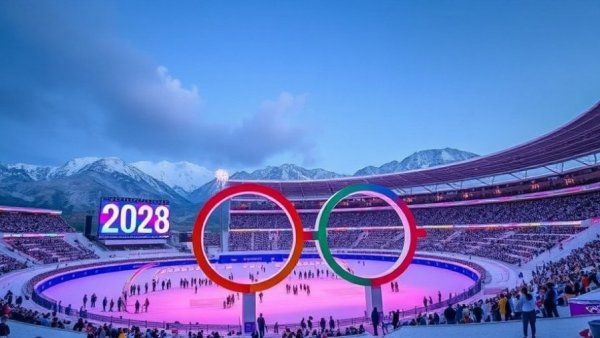
Navigating Olympic Qualification: Unusual Paths for LA28 Athletes

Update Understanding the New Qualifying Landscape for LA28 The upcoming 2028 Olympic Games in Los Angeles are set to experience a significant shift in how athletes qualify for the prestigious event. Traditionally, achieving an Olympic medal-class time or performance assured qualification, but that may no longer be the case. As detailed by Rich Perelman, the new qualification guidelines released by World Athletics are designed to manage the athlete quota and introduce a more complex qualifying process driven by rankings and performance milestones. This dual pathway model means that 40% of track and field athletes will qualify based on entry standards, while the remaining 60% will rely on their performance in world rankings. In practice, this could lead to scenarios where merely achieving the qualifying standard does not guarantee a spot on the Olympic roster. The stakes are high, with athletes needing not just talent, but also strategic race schedules to maximize their chance of ranking points. Implications for Athletes: A High-Stakes Game For many athletes, this new model poses significant challenges. Take the men’s 100-meter dash, for example, where the entry standard stands at 9.93 seconds for 50 qualifying spots. However, only 26 athletes achieved this standard in 2026, which indicates a risky trend. If performance levels do not meet expectations, many who reach the mark could find themselves sidelined, replaced by athletes who accumulated more ranking points through frequent competitions. This approach shines a spotlight on the importance of a strategic competition calendar, particularly for distance runners and those participating in less frequently contested events. Athletes must perform consistently across various meets, thereby amplifying the pressure on them, their coaches, and their support teams. The Women’s Perspective: Achievements and Challenges Women athletes face similar hurdles; the qualifying standard for the 100-meter is set at 10.96 seconds, with only 24 meeting the mark in 2026. Compounding these challenges are the social pressures and perceptions surrounding female athletes that may not apply to their male counterparts. The emphasis on performance data may inadvertantly undermine the narratives surrounding women's sports, often relegated to secondary status in public consciousness. With the competition landscape evolving, a focused examination on how these dynamics may affect sponsorships, endorsements, and media coverage is crucial. Increased visibility of women's sports is vital to validate their efforts and achievements, especially in a context where achieving an Olympic dream may hinge on factors beyond their control. Counterarguments: Could the New System Be Beneficial? While the dual pathway may seem daunting, there exist arguments in favor of restructuring the qualification process. For instance, by emphasizing ongoing performance instead of a one-time achievement, it could foster a more dynamic and competitive environment among athletes. The thrill of discovering emerging talent across different regions and competitions could enhance the overall vibrancy of the Olympics, showcasing athletes who may have been overlooked under previous standards. Moreover, this could result in a shift in training strategies, with a focus on achieving consistency rather than just peak performance, potentially elevating the overall caliber of competition as athletes adapt their approaches. Looking Ahead: Future Trends in Olympic Qualification As we head toward the LA28 Games, the evolving qualification standards may not only impact athletes’ training regimes but also reshape the sports landscape itself. Expect an increase in analytical approaches to training and competition preparation as athletes and coaches strategize to navigate these unprecedented rules. Moreover, examining athletes' decisions involving when and where to compete could become a new field of study in sports strategy, presenting exciting opportunities for performance analytics and coaching methodologies. Final Thoughts: Your Role in the Olympic Narrative As fans, sports enthusiasts, and advocates for athletes, understanding these changes compels all of us to rethink our expectations of the Olympic Games. Can we appreciate the effort behind each athlete, knowing their journey is more complex than ever? The challenge extends beyond the tracks; it resonates with the narratives of resilience and determination. Stay engaged with these developments as they unfold and support your favorite athletes as they navigate this new terrain. The road to Olympic greatness is fraught with challenges, but your support can make a difference.

Passion For Sports

Stay Ahead of the Game: Your Ultimate Media Hub for Swimming, Track, Gymnastics, and Wrestling!

COMPANY

  • Privacy Policy
  • Terms of Use
  • Advertise
  • Contact Us
  • Menu 5
  • Menu 6

864 535 6456

AVAILABLE FROM 8AM - 5PM

ABOUT US

At our media site, we are passionate about delivering the most up-to-date news in the realms of swimming, track and field, gymnastics, and wrestling. Our commitment extends beyond the USA, reaching an international audience eager for the latest developments in these dynamic sports. We strive to highlight not only major competitions and events but also the inspiring stories of athletes and teams from around the world. By offering in-depth analysis, interviews, and real-time updates, we aim to engage fans and foster a deeper appreciation for these athletic disciplines. Join us as we celebrate the spirit of competition and achievement!

© 2026 CompanyName All Rights Reserved. Address . Contact Us . Terms of Service . Privacy Policy

Terms of Service

Privacy Policy

Core Modal Title

Sorry, no results found

You Might Find These Articles Interesting

T
Please Check Your Email
We Will Be Following Up Shortly
*
*
*