

cropper
Passion For Sports
The Coaches Corner
  • Home
  • Categories
    • Track and Field
    • Swimming
    • Wrestling
    • Gymnastics
  • Coaching Corner
November 13.2026
3 Minutes Read

Caeleb Dressel and Van Mathias Lead the Charge in ISL All-Star Match

Caeleb Dressel, Van Mathias Revealed as First U.S. Stars for ISL All-Star Match

All Eyes on Dressel and Mathias: The New Faces of ISL

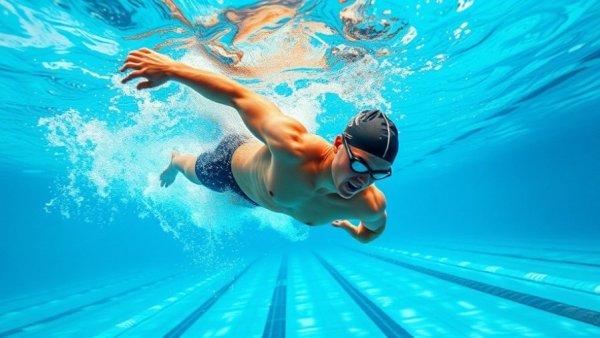
This December, the International Swimming League (ISL) will explode with excitement as Caeleb Dressel and Van Mathias are set to represent the United States in an extraordinary All-Star Match at the London Aquatics Centre. Scheduled for December 19, 2026, this event not only signifies a competitive race that will showcase star athletes but also marks the return of two defining figures in American swimming.

Caeleb Dressel: The Iconic Champion Facing New Challenges

Known for his incredible speed and versatility in the pool, Caeleb Dressel isn’t just participating; he’s making a definitive statement. Having amassed nine Olympic golds and countless world records, Dressel has been a pillar in the ISL’s growth and success. He was pivotal in establishing the league's credibility, turning the spotlight on swimming with remarkable performances that engaged audiences worldwide.

But beyond stats and titles lies the essence of Dressel’s journey—a relentless quest for improvement and competition. The upcoming ISL match is not just another event for him; it’s an opportunity for redemption in the wake of a tumultuous Olympic experience. His commitment, focus, and passion for the sport fuel his return as he aims to surpass his already extraordinary legacy.

Van Mathias: From Operations to All-Star Stage

Enter Van Mathias, whose narrative is equally gripping. After an impressive career capped by setting the short-course world record in the 100m breaststroke, Mathias took a bold step by retiring to manage Indiana University's swimming program. However, the siren call of competition drew him back, and he has proven that one can thrive in various roles within the sport—from athlete to mentor and now competitor once more.

Mathias's return to swimming is a true comeback story. Recently, he earned gold at the Pan Pacific Championships, contributing to a world-record relay team. His transition from the operational side of swimming to the competitive arena is not just inspiring; it exemplifies the multifaceted nature of athletes in today’s sports world, where adaptability is key.

ISL All-Star Match: What’s At Stake?

The All-Star Match promises to be a landmark event not just for its star-studded roster but also for its unprecedented prize pool, aimed to energize the sport and its fans. Teams from the Commonwealth, Europe, the United States, and Intercontinental regions will converge, creating a diverse tapestry of talent and rivalry. The competition aims to set the stage for an electrifying evening that stands to captivate audiences both in-person and across broadcasting platforms.

As the first announced athletes, Dressel and Mathias exemplify the spirit of the ISL: innovation, competition, and connectivity among international swimming communities. Their involvement brings with it not just the thrill of the sport but also opens up discussions about the future of swimming and how events like the ISL can evolve.

The Bigger Picture: Impact on U.S. Swimming and Beyond

If you're an athlete, coach, or sports enthusiast watching the evolution of swimming, this ISL match is pivotal. It symbolizes a return to form for American swimming on the global stage. The profiles of Dressel and Mathias highlight the shift towards valuing not just athletic performance but also personal stories that resonate with fans.

The narrative around such events cultivates a deeper appreciation for the sport, inspiring younger generations and encouraging engagement across demographics. As the match nears, swimming communities gear up—not only to witness incredible performances but to embrace the cultural significance of swimming as it continues to inspire change.

In conclusion, as we anticipate the ISL All-Star Match, keep your eye on Caeleb Dressel and Van Mathias—not just as competitors but as catalysts for a new wave in swimming. Their journeys intertwine with future generations, imparting valuable lessons on resilience and evolution in sports.

So, mark your calendars for December 19, and get ready for a night full of memorable moments and fierce competition. This is not just a swim meet; it's a celebration of the sport we all cherish!

Swimming

1 Views

0 Comments

Write A Comment

*
*
Please complete the captcha to submit your comment.
Related Posts All Posts
11.13.2026

Is Straight Pull or S-Shaped Pull Best for Athletes?

Update Unraveling the Pull: Straight vs S-Shaped in Sports The world of sports is rich with techniques, styles, and nuances—each athlete uses their unique method to propel themselves forward. A recent conversation around the different types of pulls—specifically straight and S-shaped pulls—has surfaced, inviting athletes, coaches, and enthusiasts alike to debate which technique reigns supreme. In this article, we will dive deep, exploring not just the mechanics behind each approach but also the broader implications they have on training regimens and performance. The Mechanics Behind the Pull Understanding the mechanics of the straight and S-shaped pulls is vital for athletes looking to optimize their performance. The straight pull offers a direct trajectory, focusing on a linear movement that maximizes power and efficiency. Conversely, the S-shaped pull introduces an element of fluidity and rhythm, allowing for a more natural engagement of the muscles involved. Here's the kicker—each technique caters to different strengths and weaknesses in athletes. Athletes who possess strong muscular endurance might benefit from the S-shaped pull, as it allows them to maintain a rhythm over longer periods. Meanwhile, those who rely on explosive strength may find immediate satisfaction in the straightforward nature of the straight pull. Applications Across Sports The implications of these pulling techniques extend far beyond personal preference or arbitrary choice. Consider swimmers who must use specific pulling strategies to gain speed in the water. For instance, a swimmer utilizing the straight pull can achieve quicker results in sprints, while S-shaped pulling can conserve energy for longer races. Furthermore, in gymnastics and wrestling, having a versatile approach can make all the difference. Gymnasts need precise control and strength, and optimal pulling style can enhance their performance on various apparatuses. In wrestling, the ability to adapt one’s strategy based on the opponent’s weaknesses is crucial; hence, understanding both pulls can provide a tactical advantage. Future Directions and Training Insights As the conversations around these techniques continue to evolve, so too must the training methodologies surrounding them. Coaches today must prioritize adaptable training programs that allow athletes to experiment with both pulling styles. This dynamic approach not only encourages well-rounded skill development but also fosters innovation—damning the notion that there is only one 'correct' way to execute a pull. To capitalize on the benefits of both techniques, sports programs should incorporate drills that allow for the exploration of straight and S-shaped pulls. This can include resistance training, swimming drills, and flexibility workouts. By adopting diverse methodologies, athletes can discover their unique strengths while enhancing their performance across the board. Defying Conventional Wisdom It’s essential for both athletes and coaches to challenge the notion that one technique is superior. This rigid mindset can hinder the growth of sports techniques and hold back athletes from advancing their skills. By embracing the complexities of performance styles, the entire sports community benefits. Consider the audacity of an athlete who invests time into mastering both straight and S-shaped pulls. The ability to switch between styles not only adds to their versatility but can also confuse opponents, making them unpredictable in competition—an invaluable asset in any sport. Conclusion: Why the Right Pull Matters Whether you are an athlete or a coach, understanding the intricacies of straight versus S-shaped pulls is paramount. It goes beyond merely adopting the newest trend; it’s about equipping yourself with knowledge to hone your skills, outmaneuver opponents, and ultimately elevate your game. Dive into your training with an open mind, continuously challenge your comfort zones, and experience improvement in ways you never thought possible. Want to elevate your performance further? Start incorporating analysis of your technique and experiment with different pulling styles to discover what works best for you!

11.12.2026

The Legacy of Dan Hicks: Remembering NBC's Olympic Swimming Voice

Update Remembering the Voice of Olympic Swimming: Dan Hicks The sports world mourns the loss of renowned NBC Olympic broadcaster Dan Hicks, who passed away at the age of 64 from an acute illness, leaving behind a legacy that’s woven into the fabric of athletic history. Dan’s sudden death was announced by his wife, fellow broadcaster Hannah Storm, describing him as a devoted husband and father, emphasizing the immeasurable impact his absence will have on those who loved him. A Life Dedicated to Sports Broadcasting Dan Hicks joined NBC in 1992 and became a household name as the play-by-play voice for Olympic swimming, an iconic role he held for eight consecutive Olympics. His energetic commentary during pivotal moments, like Jason Lezak's phenomenal comeback in the 400 freestyle relay at the Beijing Olympics, has cemented his place as an unforgettable part of sports history. Beyond swimming, Hicks was a versatile broadcaster, covering everything from speed skating to alpine skiing and even Notre Dame football, showcasing his multifaceted expertise and passion for sports. Behind the Mic: A Personal Connection Much more than an announcer, Dan Hicks built strong relationships, both on and off the air. Colleagues recalled his ability to uplift and inspire those around him, earning him the admiration and respect of many in the industry. “His blend of knowledge, style, enthusiasm, and humor informed and entertained fans for decades,” NBC Sports stated in their heartfelt tribute. There are countless stories shared by fans and fellow sports enthusiasts who felt like they were part of his journey. His charismatic approach made every sporting event feel personal and engaging. Influence on Future Generations of Broadcasters The legacy of Dan Hicks goes beyond his on-air moments; it extends to aspiring broadcasters and young athletes inspired by his work and passion for storytelling. For anyone in the sports industry, Hicks is a model of how to connect with audiences. His techniques in storytelling and play-by-play coverage set a benchmark for future broadcasters. As the next generation takes to the screen and mic, Dan's influence will loom large over those coming into the field. Join the Celebration of a Legacy In honoring Dan Hicks, the sports community is reminded of the profound influence that one individual can have on the athletic world. Death often highlights how significant someone truly was—a reflection of their impact, love, and devotion. As fans, colleagues, and athletes share stories and memories of Dan, we celebrate not only his contributions to sports broadcasting but also the warmth and kindness he radiated. He leaves behind a powerful legacy that encourages us all to pursue our passions fiercely. Final Thoughts As we remember Dan Hicks, it's a moment to reflect on how sports shape our lives and the narratives behind them. Hicks had a talent for making every moment of competition feel extraordinary, reminding us of the beauty of sport and connection. For fans and enthusiasts, it serves as a call to engage with the stories of athletes and foster a deeper appreciation for those who tell them. Take a moment to cherish your own memories of watching Dan Hicks bring thrilling moments to life and consider how his enthusiasm and passion can inspire you to support others in the sports community.

11.12.2026

Stop Overpowering the Catch in Swimming Freestyle: Crucial Insights for Athletes

Update Understanding the Common Freestyle Mistake in Swimming When it comes to swimming freestyle, many athletes, including seasoned competitors, often fall into the trap of overpowering the catch while underpowering the press. This common mistake can significantly affect performance and lead to inefficiencies in the water. What does this mean, and how can it drastically change your swimming technique? Let’s break it down. What Is the Catch and the Press? The "catch" in freestyle is the moment your hand enters the water and begins to pull. It’s about maximizing the water’s resistance to propel you forward. Conversely, the "press" refers to the transfer of energy and grip during the pull phase. Many swimmers focus so much on exerting force during the catch that they forget about maintaining an effective press, leading to inconsistent sprints and fatigue. The Importance of Balance in Technique Achieving balance in swimming technique is essential for speed and efficiency. When swimmers focus too much on overpowering their catch, they may push off too aggressively, resulting in wasted energy. Instead, the key is to apply a balanced force. By learning to control the pressure and mastering the press, swimmers can glide through the water with relative ease. It’s not just about how hard you pull; it’s about how smart you swim. Realizing Your Potential with Technique Adjustments Every push and pull requires practice to perfect. Revisiting and refining your technique is pivotal for any swimmer aiming to excel. Coaches often suggest video analysis to identify mistakes in real-time, providing essential feedback that can improve performance. In addition, simple drills focusing on both the catch and the press can help swimmers build muscle memory and reinforce better habits. Broader Implications for Coaches and Athletes This mistake is not exclusive to athletes; it offers a broader lesson for coaches as well. They must ensure their athletes understand the significance of grip and the fluidity of motion on every stroke. It’s a letdown when swimmers can’t execute their training due to common misunderstandings about technique. Coaches should foster an environment where exploring these nuances is encouraged, bringing out the best performance in each athlete. Understanding Water Dynamics To appreciate the nuances of catch and press, swimmers should also understand the properties of water. As a dense medium, water provides resistance that swimmers can either harness for propulsion or fight against, which leads to inefficiencies. Perfecting your technique not only improves your performance but also enhances your enjoyment of the sport as you start to feel natural in the water. Future Trends for Swimming Training As technology continues to evolve, swimming training will become increasingly data-driven. Wearable tech could play a significant role in providing insights for both catch and press mechanics, allowing for personalized feedback. Such advancements can redefine training approaches and strategies moving forward. With tools like heart rate monitors, speed trackers, and stroke analyzers, swimmers can get real-time feedback and adjust their techniques instantly. Implementing Actionable Insights: What Can You Do? Focus on Drills: Incorporate specific drills targeting your catch and press technique into your training. Drills like "catch-up" or "sculling" can help reinforce the proper movements. Seek Feedback: Work with your coach and peers to reflect on your swimming technique. Don’t hesitate to ask for constructive criticism during practice sessions. Set Goals: Establish measurable goals focusing on technique over power in your workouts. Plan sessions specifically dedicated to refining the catch and press components. Join a Swim Clinic: Clinics are a great way to receive expert guidance and meet fellow swimmers who share your goals. It's also an opportunity to learn new techniques and drills. Cross-Train: Engaging in other forms of fitness, like strength training and flexibility exercises, can enhance your swimming performance and improve overall body control. By understanding the importance of balancing both the catch and the press, swimmers can enhance their technique. This improvement can lead to increased efficiency in the water and, ultimately, better performance in competitions. Every swimmer, whether novice or elite, can benefit from actively working to perfect these elements, making them key components of a successful swimming strategy.

Passion For Sports

Stay Ahead of the Game: Your Ultimate Media Hub for Swimming, Track, Gymnastics, and Wrestling!

COMPANY

  • Privacy Policy
  • Terms of Use
  • Advertise
  • Contact Us
  • Menu 5
  • Menu 6

864 535 6456

AVAILABLE FROM 8AM - 5PM

ABOUT US

At our media site, we are passionate about delivering the most up-to-date news in the realms of swimming, track and field, gymnastics, and wrestling. Our commitment extends beyond the USA, reaching an international audience eager for the latest developments in these dynamic sports. We strive to highlight not only major competitions and events but also the inspiring stories of athletes and teams from around the world. By offering in-depth analysis, interviews, and real-time updates, we aim to engage fans and foster a deeper appreciation for these athletic disciplines. Join us as we celebrate the spirit of competition and achievement!

© 2026 CompanyName All Rights Reserved. Address . Contact Us . Terms of Service . Privacy Policy

Terms of Service

Privacy Policy

Core Modal Title

Sorry, no results found

You Might Find These Articles Interesting

T
Please Check Your Email
We Will Be Following Up Shortly
*
*
*