

Unleashing the Power of Team Dynamics in NCAA Cross Country
This year at the NCAA cross country championships, New Mexico achieved a milestone, capturing its first men’s team title, even after losing its individual champion Habtom Samuel to a professional career. As coach Darren Gauson reflected, it was a full-circle moment for him, having once competed on this very course. This new chapter for the Lobos illustrates how a strong team spirit can yield remarkable results, emphasizing that individual prowess often has to yield to collective strength for true victory. The triumph has undoubtedly put New Mexico on the collegiate athletics map, highlighting their ability to craft a winning culture even amid significant changes.
The Road to the Championship: Overcoming Adversity
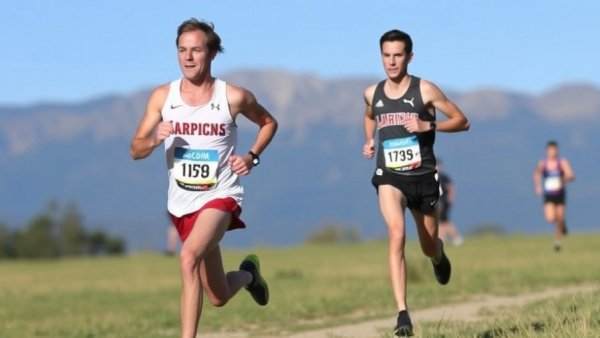
Despite facing the loss of their star runner, the Lobos excelled, showcasing resilience. Their strategic placement—four runners finishing in the top 14—demonstrated Gauson's profound understanding of cross country—positioning teammates to push each other throughout the race and ultimately claim a comfortable victory. "Maintain a position," Gauson advised during the race, highlighting the mental fortitude essential for success in such grueling conditions. The team’s ability to adapt under these circumstances offers a valuable lesson in resilience for all athletes: success often springs from collective dedication rather than reliance on a single standout performer.
A Close Look at Race Dynamics: Analyzing the Competition
New Mexico's performance also sheds light on the evolving landscape of collegiate cross country. Colorado, once leading, faltered under pressure as the Lobos gained momentum. The unexpected variability in team performance shows how crucial adaptations are when the competitive environment shifts in the heat of the race. This season saw several teams come and go from the rankings, showing that while talent is critical, mental toughness and the ability to perform under stress truly set elite programs apart. The Lobos’ triumph amidst shifting dynamics serves as a pragmatic case study for teams looking to navigate the complexities of competitive sports.
Stellar Performances: A Step Up for Future Stars
Coaching plays a pivotal role in athletes’ success. Gauson, mentored by Joe Franklin—who has produced several NCAA champions—now stands on his own after the Lobos' triumph. The emergence of younger runners like 27-year-old Pasanjo Kitonga indicates a bright future for the program. This combination of young blood and experienced coaching promises a strong foundation for New Mexico as they aim for continued success. The Lobos’ success underscores the importance of athlete development, where nurturing young talent can yield results in the long run, ensuring that the team remains competitive for seasons to come. This dynamic also fosters a culture of mentorship and growth that is crucial in collegiate athletics.
Lessons Learned: What Up-and-Coming Athletes Can Take Away
For athletes and aspiring champions, New Mexico's journey emphasizes the importance of teamwork over individual accolades. Every member of a team contributes to the overarching goal, which can resonate especially with younger runners and their coaches, fostering an environment where individual performances serve the collective aim of excellence. Team dynamics underscore the concept that success isn’t solely measured by personal records, but by how athletes support and elevate one another to achieve a common victory—a mantra that can inspire both current athletes and future generations.
Future Predictions: Setting the Stage for Team Rivalries
As New Mexico establishes itself as a powerhouse in NCAA men’s cross country, we can expect fierce competition. With The Lobos now possessing both historical prestige and renewed ambition, other teams will surely escalate their strategies, leading to exhilarating races in upcoming seasons. Programs across the country may reassess their recruiting and training philosophies, striving to emulate New Mexico's cohesive winning strategy and teamwork approach.
The 2025 championship was barely a stepping stone for the Lobos, signaling their intent to dominate collegiate running. The paradigm of success in sports is shifting from focusing solely on the star athlete to understanding the synergy of collective achievement. For athletes keen to enhance their skills, learning from New Mexico's story could be the difference between personal bests and remarkable records. This changing narrative encourages an environment where collaboration and camaraderie are paramount, echoing into the broader themes of sportsmanship and mutual respect.
As we continue to witness the evolution of collegiate athletics, remember that beneath the glitz of individual accolades lies the essence of teamwork—a thematic undercurrent binding collegiate sports into a narrative of triumph. The Lobos’ victory reminds us all that with the right blend of coaching, team spirit, and unwavering dedication, amazing feats can be accomplished, even in the face of adversity.


Write A Comment