
cropper
Passion For Sports
The Coaches Corner
  • Home
  • Categories
    • Track and Field
    • Swimming
    • Wrestling
    • Gymnastics
  • Coaching Corner
August 17.2026
3 Minutes Read

Andy Díaz Hernández Soars Close to World Record in Triple Jump

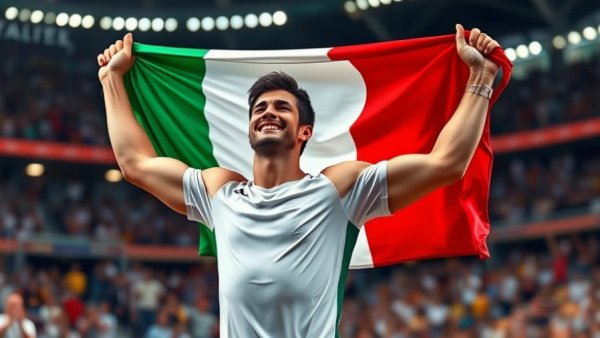
Athlete celebrating with Italian flag in stadium, Andy Díaz Hernández Triple Jump World Record.

Breaking Barriers: Díaz Hernández Nears World Record

As Andy Díaz Hernández soared into history, the crowd at Birmingham's European Championships held its breath. Just six inches shy of the legendary World Record held by Jonathan Edwards for 31 years, Díaz Hernández's performance marks a significant milestone not just for him but for the sport of triple jump itself. With a remarkable leap of 59-6¾ (18.15m), he has not only set a new Italian record but also reached a point where the World Record feels tantalizingly within reach.

The Evolution of Triple Jump Records

To put Díaz Hernández's achievement into perspective, the evolution of the triple jump records reveals a narrative of human perseverance and technological advancement. From Edwards’ 60-¼ jump in 1995, every subsequent athlete has faced the immense pressure of not just beating the distance but also overcoming the barriers of technique, conditioning, and psychological fortitude. Each record broken is a testament to athletes pushing the boundaries of what is possible.

Competing Against the Giants

In the competitive world of track and field, psychological strategy plays a crucial role. Díaz Hernández himself acknowledged the significance of competing against Pedro Pichardo, a fellow contender who initially set the pace with an impressive jump of 58-3¼ (17.76m). The rivalry brought out the best in Díaz Hernández, proving that sometimes it’s about the battle as much as it is about the numbers. “It was the revenge I wanted,” he stated, highlighting the emotional depth of athletic competition.

Record-Breaking Atmosphere Fueling the Competition

The atmosphere surrounding major athletic events like the European Championships plays a vital role in athletes' performances. As seen in the men's 10,000m race, the electric crowd can turn tentative athletes into champions. Andreas Almgren broke the meet record with a time of 27:23.44, fueled by the support of the home crowd, which often lifts an athlete's spirit and drives them to achieve greatness. Such moments underscore how much preparation and environment factor into performance.

Aiming High: The Future of Triple Jump

Looking ahead, the potential for further records in the triple jump is significant. With new training methods focused on explosive power and analytics aimed at refining techniques, athletes like Díaz Hernández are set to push their limits even further. Perhaps, just as Almgren showed us with his record-breaking run, the next round of world records will emerge from conditions we can scarcely imagine today.

Inspiring a New Generation of Athletes

Events like the European Championships resonate far beyond immediate competition; they serve as inspiration for youth across Europe and beyond. Young athletes and budding sports enthusiasts watch as barriers are shattered and dreams realized, igniting the motivation to pursue their own athletic aspirations. The visibility of such records challenges the next generation to not only dream but also to believe in achieving those dreams.

Conclusion: What’s Next for Triple Jump?

The feat by Andy Díaz Hernández isn’t just a moment in time; it represents a shift in the landscape of the triple jump, awakening the spirit of competition. As fans, coaches, and aspiring athletes, we are reminded that records are meant to be broken. With technological advancements and renewed athletic commitment, it raises the question of how long before the next big leap towards history occurs. The anticipation builds, and the world watches with bated breath.

Are you ready to support the athletes in breaking even more records? Stay tuned and get involved in the journey!

Track and Field

25 Views

0 Comments

Write A Comment

*
*
Please complete the captcha to submit your comment.
Related Posts All Posts
11.15.2026

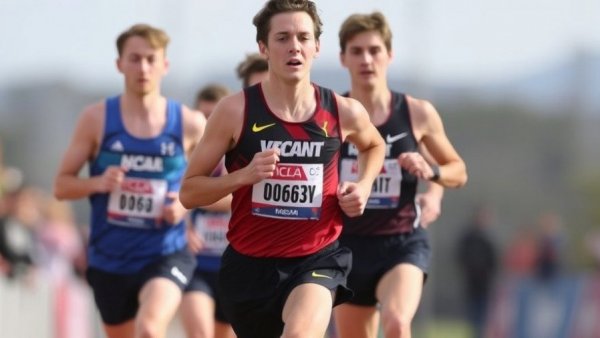
NCAA Cross Country Regionals: Key Takeaways and Future Insights

Update Unpacking the NCAA Cross Country Regionals The NCAA Cross Country Regionals have always held immense significance for collegiate athletes, coaches, and die-hard fans alike. This year was no exception, with thrilling finishes and fierce competition characterized by the tough 10K races held across multiple regions. But what does it all mean for the teams and runners heading to the NCAA Championships in Indiana State? Let's break it down. Team Dynamics: Who Stood Out? Taking a look at the South Central Region, Tulane's narrow victory showcases not just athletic prowess but effective team strategy. Freshman Nick Busienei and senior Ernest Cheruiyot from Arkansas finishing in first and second place illustrates that blend of youthful energy and seasoned experience. Yet, Tulane's win signals a resurgence of competitiveness in the region, highlighting how diverse team compositions can create powerful outcomes on race day. Pivotal Performances and Emerging Stars In the Northeast Region, Syracuse solidified its dominance by clinching its third consecutive title, marking a historical achievement. Ben Gabelman’s outstanding performance not only guarantees his spot at the NCAA Championships but also emphasizes the importance of team synergy. Having four runners in the top 11 cements Syracuse’s strategy that prioritizes collective success over individual accolades. These performances indicate rising stars like Frederick Kipkosgei of Hofstra, whose resilience propels him from a previous champion to a consistent contender, offering valuable lessons on maintaining peak performance. Technology in Training: A Game Changer Training methodologies have evolved dramatically in collegiate sports. With the integration of technology—ranging from advanced analytics to biomechanics—athletes are not just running faster but doing so smarter. As teams prepare for their final championship push, those utilizing cutting-edge techniques to analyze their performance will likely have an advantage. This shift signifies a broader trend where data-driven decisions enhance athlete qualifications and placements. Broader Implications of Regional Results The results of the NCAA Cross Country Regionals speak to more than just individual performances. They paint a portrait of how universities fund and support athletic programs, subsequently influencing recruitment strategies. Programs achieving consistent success can attract top recruits, increasing their competitive edge. Observing how different regions perform can provide insights into broader trends within collegiate sports and their corresponding impacts on the local economies of their institutions. Future Insights: What Lies Ahead? Looking forward, the upcoming NCAA Championships promise exciting competitions. With teams like Villanova and Georgetown routinely challenging each other—Villanova's recent win demonstrates resilience that can shake up expected outcomes. Fans and analysts alike speculate about potential dark horses stemming from this year’s regionals. As teams adapt their strategies and individual athletes seek to outdo their previous performances, we could foresee surprises that redefine expectations at the national level. This year, NCAA Cross Country Regionals not only spotlighted skilled athletes but also illustrated the challenges they overcome in pursuit of glory. The confluence of strategy, technology, and teamwork reflects the dynamic landscape of collegiate athletics. As we gear up for the NCAA Championships, keep an eye on emerging trends and implications that these events carry beyond the starting line. Engage with the outcomes, support these athletes, and witness the evolution of cross country.

11.15.2026

Jane Hedengren's Absence Exposes the Biggest Issue in NCAA Cross Country

Update The Unstoppable Force: How Jane Hedengren Redefines Cross Country As the dust settles on the NCAA cross country regionals, a remarkable story emerges, not just about the athletes who ran, but about the one who didn’t: Jane Hedengren of BYU. Her absence at the Mountain Region competition raises critical questions about the very nature and structure of collegiate cross country.In 'Jane Hedengren Just EXPOSED NCAA XC's Biggest Problem... WITHOUT EVEN RUNNING?!', the video delves into the complexities of cross country competition, leading us to further examine its systemic issues and the pivotal role of standout athletes like Jane. A Unique Qualification Landscape The NCAA cross country playoffs almost seem to serve more as a formality than a true test for teams like BYU, which are stacked with talent. The Mountain Region, compared to others, barely skims the surface of competitive depth, with fewer teams vying for at-large bids. With potent forces like New Mexico standing strong, it’s fascinating to see how BYU strategically chose to hold out their star. This vital decision hints at an important reality in the sport—teams prioritize national championships over regional success. If you’re BYU, why risk an injury to your star runner when you’re strong enough to qualify without her? This brings to light the disparity in competition across regions. Small conferences struggle to gain recognition, while powerhouse teams scramble to avoid unnecessary risks. What It Means to Survive and Advance Jane’s absence at the regional race was a calculated move, designed to give her the preparation she needs for the main event: the national championships. While her teammates competed, the focus remains on what happens at the big dance. The question looms—is winning the regional championship all that significant? For teams with larger aspirations like BYU, the answer is a resounding no. Other programs like NC State and Tulane showcase the contrasting stakes of various programs. While Tulane's success is monumental for their athletic department, it begs the question: Is that the standard we should set? In the cutthroat world of collegiate athletics, surviving the regionals is all that matters for many. Brighter Horizons for Cross Country What if we are undermining an incredible aspect of cross country? Is the pressure to perform during regionals a necessary aspect of the sport, or merely a trivial obstacle? The structure often leads athletes and coaches to take a backseat when it comes to the regional championships. The majority of teams competing risk it all, knowing the national title is where the glory truly lies, while moderately performing teams merely aim for survival. This lack of fanfare for regionals can diminish the event entirely. Shouldn’t athletes be rewarded and celebrated for their tenacity at this level? The Game Changer Effect of Jane Hedengren Even without running, Hedengren's name continues to capture attention, setting the stage for intriguing narratives. At the national championships, she's expected to showcase her elite fitness and racing strategy, ensuring all eyes are on her. The buzz surrounding her suggests that her impact transcends the sport, echoing the societal dynamics at play as talented athletes navigate their paths to success. Fans and critics alike are eager to watch how she performs, as people recognize that her status isn't just about winning; it's about fostering excitement around the sport and sparking discussions about its future. Cross Country Needs a Cultural Shift In a sport that often fails to attract mainstream attention, what must change to elevate cross country? It’s time the culture shifts—from merely surviving the regionals to making every race count. Competition should be fiercely celebrated, from the smallest meets to the national stage. Could this be the catalyst for a turning point for cross country? As fans, athletes, and coaches rally around figures like Jane, we need to question how we can push the envelope further and promote a new standard of excellence. By value-adding regional competition, we can make cross country a more engaging sport that garners interest and passion from all sides. This is not just about running fast; it’s about how we create a legacy for future generations of athletes. As the national championship looms ahead, let’s keep the discussions going and advocate for a sport that prioritizes both the journey and the finish line.

11.14.2026

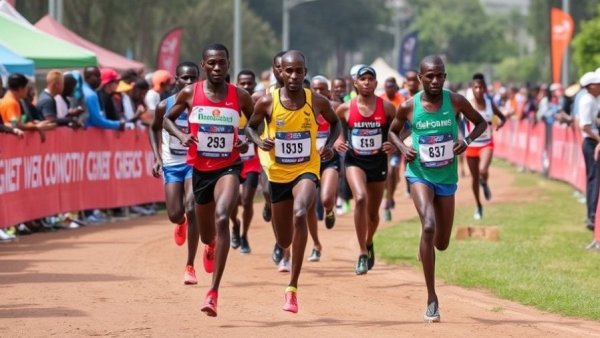
Kenya's Dominance: A Deep Dive into NCAA Cross-Country's Import Explosion

Update Kenya Dominates NCAA Cross-Country Scene The landscape of NCAA cross-country is undergoing a seismic shift, particularly with the emergence of foreign athletes, notably from Kenya. As the NCAA has evolved with significant money infusion through NIL (Name, Image, Likeness) deals and the formation of super-conferences, the increase in international representation has become strikingly evident. More than ever, collegiate athletes from outside the U.S. are not merely participants; they are dominant forces. Statistics That Speak Volumes Recent statistics indicate that a staggering 38% of the top 50 finishers in the 18 NCAA Division I regionals hailed from outside the United States. When dissecting these numbers further, the findings reveal a profound Kenyan influence. Out of the 900 finishers, an impressive 169 were Kenyan, comprising around 19%. These numbers aren’t just numbers; they’re a testament to Kenya's intense focus on distance running. The Kenyan Influence: A Closer Look Digging deeper, the gender breakdown tells its own story. Among the top 50 male finishers, 160 were foreign athletes—36% of the total. Of those, 80 were Kenyan, making up approximately 18%. On the women’s side, that figure jumps slightly to 20%, with 89 out of 450 women in the top 50 being Kenyan. This consistent dominance suggests there’s something special about the training, culture, and approach that Kenyan athletes bring to the sport. Not Just Numbers: Impact on Competitive Landscape The influence of Kenyan runners extends beyond sheer quantity. At the regional championships, they claimed 72% of the individual titles. The staggering statistic that 38 out of the top 54 finishers in the top 3 across all regions were Kenyan illustrates not only athletic prowess but also the strategic advantage they possess. With an influx of Kenyan athletes into NCAA programs, American athletes—while talented—are facing an uphill battle. The Freshman Phenomenon An intriguing aspect of this data is the influx of Kenyan freshman. They have made a substantial mark, comprising over half of Kenyan top-10 finishers. For instance, in the combined men’s and women’s top 10, Kenyan freshmen accounted for an astounding 52%. This emerging trend brings a new level of competition and excitement, challenging North American athletes to up their game. Future Outlook: Implications for American Runners As the presence of foreign athletes continues to grow, the cultural implications for NCAA sports are profound. American runners are required to adapt not only to the competition but also to the evolving landscape of college athletics infused with global perspectives. How institutions react to this change will define the future of collegiate athletics. Will they utilize this diversity to enhance performance or struggle to keep pace? Call to Action: Engage & React As we see the rise of foreign competitors in collegiate athletics, particularly those from Kenya, it's crucial for fans and participants alike to engage with this narrative. Whether you are a coach, athlete, or fan, understanding the competitive implications and cultural integration of these athletes will enrich your appreciation of the sport. Stay informed, follow the numbers, and witness the evolution of NCAA cross-country.

Passion For Sports

Stay Ahead of the Game: Your Ultimate Media Hub for Swimming, Track, Gymnastics, and Wrestling!

COMPANY

  • Privacy Policy
  • Terms of Use
  • Advertise
  • Contact Us
  • Menu 5
  • Menu 6

864 535 6456

AVAILABLE FROM 8AM - 5PM

ABOUT US

At our media site, we are passionate about delivering the most up-to-date news in the realms of swimming, track and field, gymnastics, and wrestling. Our commitment extends beyond the USA, reaching an international audience eager for the latest developments in these dynamic sports. We strive to highlight not only major competitions and events but also the inspiring stories of athletes and teams from around the world. By offering in-depth analysis, interviews, and real-time updates, we aim to engage fans and foster a deeper appreciation for these athletic disciplines. Join us as we celebrate the spirit of competition and achievement!

© 2026 CompanyName All Rights Reserved. Address . Contact Us . Terms of Service . Privacy Policy

Terms of Service

Privacy Policy

Core Modal Title

Sorry, no results found

You Might Find These Articles Interesting

T
Please Check Your Email
We Will Be Following Up Shortly
*
*
*